To amend the Internal Revenue Code of 1986 to exclude certain students from the calculation to determine if certain private colleges and universities are subject to the excise tax on net investment income, and for other purposes.
Sponsors
Legislative Progress
ReportedAdditional sponsor: Mr. Smith of Nebraska
Reported with an amendment, committed to the Committee of the …
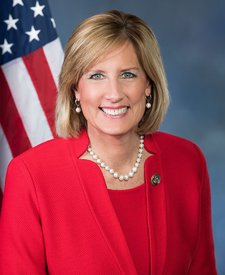
Mr. Ferguson (for himself, Mr. Kelly of Pennsylvania, Mrs. Miller …
Summary
What This Bill Does
Excludes students who dont meet federal financial aid citizenship requirements from per-student endowment calculation that triggers excise tax on wealthy private colleges.
Who Benefits and How
- Private universities with foreign students may avoid endowment tax
- Institutions near threshold benefit from student count reduction
- Universities with large international enrollment gain tax advantage
Who Bears the Burden and How
- Federal revenue reduced if universities fall below threshold
- IRS must verify student eligibility status
- Universities must report student counts both ways
Key Provisions
- Students must meet HEA section 484(a)(5) citizenship requirements
- Applies to endowment tax under section 4968
- Reporting required on included and excluded student counts
- Effective for tax years after December 31, 2024
Evidence Chain:
This summary is derived from the structured analysis below. See "Detailed Analysis" for per-title beneficiaries/burden bearers with clause-level evidence links.
Primary Purpose
Excludes foreign students from endowment tax calculation for private universities
Policy Domains
Legislative Strategy
"Reduce endowment tax burden on universities with international students"
Bill Structure & Actor Mappings
Who is "The Secretary" in each section?
We use a combination of our own taxonomy and classification in addition to large language models to assess meaning and potential beneficiaries. High confidence means strong textual evidence. Always verify with the original bill text.
Learn more about our methodology