BUILD America 250 Act
Summary
What This Bill Does
The BUILD America 250 Act is a broad surface transportation reauthorization for fiscal years 2027 through 2031. It renews Highway Trust Fund contract authority and obligation limits, revises the core Federal-aid highway programs, rewrites bridge grants, updates emergency relief, expands planning and freight provisions, creates or reworks discretionary grant programs, and changes project delivery rules under title 23 and title 49. The highway title reaches apportionment formulas, the National Highway Performance Program, railway-highway grade crossings, surface transportation block grants, metropolitan and statewide planning, truck parking, ferry facilities, road safety, congestion mitigation, wildlife crossings, freight corridors, environmental reviews, categorical exclusions, and studies on commuting, paint supply, corrosion prevention, grant effectiveness, anticompetitive bidding, and transportation workforce needs.
The bill also updates Department of Transportation administration and technology programs. It supports digital platforms, the Nontraditional and Emerging Transportation Technology Council, university transportation centers, data privacy for predictive analytics and telematics, autonomous-vehicle accessibility studies, intelligent transportation system cybersecurity studies, automated driving safety assurance reviews, and a prohibition on certain foreign-made LiDAR technology. Freight provisions revise national multimodal freight policy, freight strategic planning, the national freight network, state freight plans, the Freight Logistics Optimization Works Program, cargo theft and freight fraud advice, and international-games transportation assistance.
The finance and rail titles revise TIFIA and RRIF credit tools, including emergency loan relief after major disasters, personnel authority, a Federal Infrastructure Bank study, interest-only RRIF loan structures, credit risk premium payment flexibility, and an alternative credit assessment pathway. The passenger rail titles authorize Amtrak grants for the Northeast Corridor and national network, FRA operations, CRISI grants, the National Intercity Passenger Railroad Partnership Program, Corridor ID, rail emergency relief, Amtrak Inspector General funding, Amtrak transparency, infrastructure-backlog recommendations, workforce assault-prevention plans, baby changing tables, long-distance equipment maintenance reports, state-supported route cost reviews, customer-experience studies, international passenger rail examinations, equipment pools, California High-Speed Rail review, and liability cap updates.
The rail safety and hazardous materials titles add or update rail bridge safety reporting, public data access, a safety culture grant program, performance-based rulemaking, locomotive image recording devices, wayside defect detector protections, rail technology pilots, vent-and-burn report updates, freight cargo security assessments, blocked-crossing reporting, pressure relief device reports, FRA safety workforce floors, confidential close-call reporting, wayside employee protection, safety enforcement transparency, engineer training, dispatching technology reviews, and Railroad Safety Advisory Committee authority. Hazardous materials provisions authorize PHMSA funding, revise registration fees, expand safety training grants, address foreign cylinder manufacturers, placards, limited CDL hazmat endorsements, train consist information, diesel-fuel exceptions for logging or timber operations, safer tank cars, lithium-ion battery transport, and thermal runaway suppression strategies. The bill also updates boating infrastructure and fisheries commission funding priorities.
Who Benefits and How
State departments of transportation and local transportation agencies benefit from renewed highway formula money, apportionment rules, bridge grants, emergency relief, Surface Transportation Block Grant eligibility, planning updates, consolidated funding pilots, property-transfer flexibility, federal lands and tribal transportation updates, and streamlined environmental review tools. Bridge owners, freight corridor sponsors, ferry terminal sponsors, wildlife crossing sponsors, rural surface transportation grant applicants, Safe Streets and Roads for All recipients, and local and regional project assistance applicants receive clearer eligibility or continued grant authority.
Commercial truck drivers benefit from Jason's Law truck-parking provisions, bridge-clearance work, restroom access and safety-related trucking provisions in later titles, and hazardous materials training or credential studies. Transit agencies and transit riders benefit from formula and discretionary transit changes, paratransit technology, land acquisition flexibility, growing-state and high-density apportionment updates, and project-delivery streamlining. TIFIA and RRIF borrowers benefit from expanded credit flexibilities, disaster loan relief, interest-only loan options, credit-risk-premium payment flexibility, and alternative credit assessments.
Amtrak, state-supported passenger rail sponsors, commuter rail agencies, intercity passenger rail corridors, CRISI grant applicants, rail equipment pools, and passenger rail riders benefit from authorizations, grant programs, emergency relief, transparency rules, equipment and service studies, baby changing table requirements, workforce assault prevention, and state-supported route cost reviews. Rail workers and communities near rail operations benefit from bridge safety, confidential close-call reporting, wayside employee protection, safety culture grants, enforcement transparency, locomotive engineer training, and reviews of track safety, dispatching technologies, blocked crossings, cargo security, and wayside defect detectors.
Who Bears the Burden and How
The Department of Transportation and its modal agencies bear extensive implementation burdens. FHWA must administer formula and discretionary highway programs, issue guidance, update design standards and the Manual on Uniform Traffic Control Devices, run studies, create working groups, enforce foreign LiDAR restrictions, and manage project delivery changes. FTA must administer transit funding and categorical-exclusion updates. The Build America Bureau and DOT credit staff must manage TIFIA/RRIF changes, disaster loan relief, and credit assessment alternatives. FRA must administer rail grants, Amtrak oversight, rail safety rulemakings, data publication, safety workforce requirements, advisory committees, reports, and working groups. PHMSA must administer hazardous-materials registration fees, training grants, placard and tank-car rules, lithium-ion battery work, and foreign cylinder manufacturer rules.
Recipients and regulated actors also face new compliance work. State DOTs, MPOs, transit agencies, railroads, Amtrak, hazardous materials shippers, tank-car owners, motor carriers, household goods movers, LiDAR vendors, technology program participants, project sponsors, and infrastructure borrowers must respond to eligibility rules, reporting, study data, safety standards, federal share limits, environmental review procedures, privacy limits, grant conditions, loan terms, and equipment requirements. Covered foreign LiDAR companies lose access to federally funded uses, and rail carriers transporting Class 3 flammable liquids must move away from unsafe tank cars by the statutory deadline.
Key Provisions
- Authorizes Highway Trust Fund spending and obligation limits for Federal-aid highway and highway safety programs from fiscal year 2027 through fiscal year 2031.
- Expands bridge, freight, emergency relief, truck parking, ferry, wildlife crossing, Safe Streets, rural and regional surface transportation, tribal transportation, and project delivery programs.
- Directs DOT, FHWA, FTA, GAO, National Academies, and working groups to issue reports, studies, guidance, standards, and public data on safety, environmental review, grant effectiveness, technology, commuting, corrosion, workforce, and freight.
- Creates or revises technology, freight logistics, international-games transportation, TIFIA, RRIF, Federal Infrastructure Bank study, and disaster loan relief provisions.
- Authorizes Amtrak, FRA, CRISI, intercity passenger rail, Corridor ID, rail emergency relief, state-supported route, equipment pool, and passenger-service accountability provisions.
- Strengthens rail safety through bridge reporting, safety culture grants, image recording devices, wayside defect detector protections, close-call reporting, safety workforce floors, enforcement transparency, and advisory committee updates.
- Updates hazardous materials safety funding, registration fees, training grants, placards, foreign cylinder regulation, hazmat CDL studies, train consist information, tank-car standards, lithium-ion battery transport, and thermal runaway work.
Evidence Chain:
This summary is generated from the full bill text using AI analysis. Expand "Detailed Analysis" below for identified beneficiaries/burden bearers with clause-level evidence links.
At a Glance
What This Bill Does
Reauthorizes and revises federal surface transportation programs for fiscal years 2027 through 2031, covering highways, bridges, transit, freight, project delivery, technology, infrastructure finance, Amtrak, passenger rail, rail safety, hazardous materials, and boating infrastructure.
Key Policy Areas
Transportation, Infrastructure, Public Safety, Finance, Rail, Hazardous Materials, Technology
Primary Purpose
Reauthorizes and revises federal surface transportation programs for fiscal years 2027 through 2031, covering highways, bridges, transit, freight, project delivery, technology, infrastructure finance, Amtrak, passenger rail, rail safety, hazardous materials, and boating infrastructure.
Policy Domains
Passenger rail, Amtrak, rail safety, RRIF, and hazardous materials
Identified Gains
- Amtrak Northeast Corridor grants
- Intercity passenger rail corridor sponsors
- Rail passengers using baby changing tables
- Rail workers protected by close-call reporting
- Hazardous materials safety training grantees
Identified Costs
- Amtrak
- Federal Railroad Administration
- Railroad carriers
- RRIF loan applicants
- Hazardous materials shippers
Federal-aid highways, bridges, safety, planning, and project delivery
Identified Gains
- State departments of transportation
- Bridge owners
- Commercial truck drivers needing parking
- Ferry terminal project sponsors
- Safe Streets and Roads for All grant recipients
Identified Costs
- Federal Highway Administration
- Metropolitan planning organizations
- State departments of transportation applying categorical exclusions
- Covered foreign LiDAR companies
Transportation finance, technology, freight, and DOT administration
Identified Gains
- TIFIA borrowers
- Freight Logistics Optimization Works participants
- International games transportation host jurisdictions
- Local and regional project assistance applicants
- Boating infrastructure grant recipients
Identified Costs
- Build America Bureau
- Department of Transportation predictive analytics programs
- Office of Multimodal Freight Infrastructure and Policy
- Cargo theft advisory committee members
Sponsors
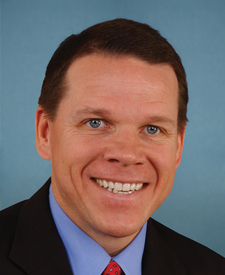
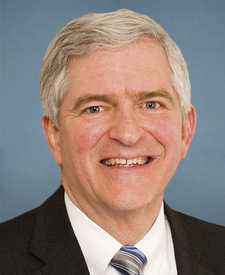
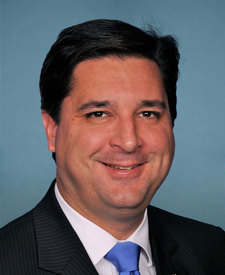
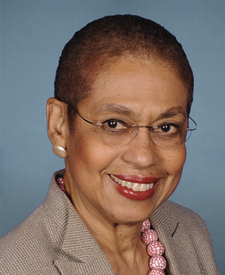

Legislative Progress
ReportedOrdered to be Reported (Amended) by the Yeas and Nays: …
Subcommittee on Railroads, Pipelines, and Hazardous Materials Discharged
Committee Consideration and Mark-up Session Held
Subcommittee on Highways and Transit Discharged
Referred to the Subcommittee on Highways and Transit.
Referred to the Subcommittee on Railroads, Pipelines, and Hazardous Materials.
Referred to the House Committee on Transportation and Infrastructure.
Introduced in House
Mr. Graves (for himself, Mr. Larsen of Washington, Mr. Rouzer, …
Stakeholder Effects
cui bono?How this legislation distributes effects. Mention counts reflect frequency, not effect magnitude.
Amtrak passengers, Cargo theft advisory committee members, Department of Transportation technology programs
Positive-direction: Amtrak passengers, Ferry boat and terminal project sponsors, Freight project sponsors, Intercity passenger rail project sponsors, RRIF loan applicants, State departments of transportation, Surface transportation grant applicants, Surface transportation project sponsors, Tribal transportation programs
Negative-direction: Cargo theft advisory committee members, Department of Transportation technology programs, Hazardous materials shippers, Office of Multimodal Freight Infrastructure and Policy, Railroad carriers
Covered foreign LiDAR companies, Transportation technology vendors
Positive-direction: Transportation technology vendors
Negative-direction: Covered foreign LiDAR companies
Bill Structure & Actor Mappings
Who is "The Secretary" in each section?
- "secretary"
- → Secretary of Transportation
- "administrator"
- → Federal Highway Administrator
- "director"
- → Build America Bureau Executive Director
- "secretary"
- → Secretary of Transportation
- "secretary"
- → Secretary of Transportation
- "administrator"
- → Federal Railroad Administrator
Key Definitions
Terms defined in this bill
A bridge program providing state grants for bridges and related structures under amended title 23 section 124.
A rural, urban, local, and regional surface transportation grant program for eligible project sponsors.
A TIFIA-related authority allowing loan relief after major disasters under title 23 section 612.
A requirement for quarterly publication of railroad carrier enforcement-action summaries.
We use a combination of our own taxonomy and classification in addition to large language models to assess meaning and potential beneficiaries. High confidence means strong textual evidence. Always verify with the original bill text.
Learn more about our methodology