Restoration of Employment Choice for Adults with Disabilities Act
Summary
What This Bill Does
The Restoration of Employment Choice for Adults with Disabilities Act changes section 511 of the Rehabilitation Act, which governs subminimum wage employment under Fair Labor Standards Act special certificates. It changes the opening rule so an individual age 18 or older may accept employment with a covered entity if the individual chooses that employment. It changes related references from age 24 to 17. It also creates an exception allowing a covered entity to satisfy counseling, information, and referral requirements if the entity documents repeated efforts to contact the designated state vocational rehabilitation unit and that state unit fails to provide the required services. When documentation is made for a person already employed by the covered entity, copies must be made available to the employer.
Who Benefits and How
Adults with disabilities who want subminimum wage employment benefit because the bill frames acceptance of that work as an adult choice. Section 14(c) certificate employers benefit from a path to satisfy documentation duties when a state vocational rehabilitation unit does not respond. Families supporting sheltered or certificate employment benefit if the option remains available for adults. State vocational rehabilitation units benefit from clearer documentation triggers, though they face pressure to respond to employer contacts.
Who Bears the Burden and How
State vocational rehabilitation units must respond to counseling, information, and referral requests or their nonresponse can satisfy employer requirements. Disability rights advocates opposing subminimum wage work bear a policy setback because the bill preserves adult access to that employment model. Covered entities must document contact attempts and maintain records. Workers may remain in lower-paid settings if they choose the option or if counseling access fails. Rehabilitation Act administrators must update guidance and forms.
Key Provisions
- Amends section 511 so individuals age 18 or older may choose employment with a covered subminimum wage entity.
- Modifies related age references from 24 to 17.
- Provides covered entities a way to satisfy counseling and referral requirements through documented contact attempts when state vocational rehabilitation units fail to respond.
- Requires documentation to be made available to the entity if the individual is already employed there.
Evidence Chain:
This summary is generated from the full bill text using AI analysis. Expand "Detailed Analysis" below for identified beneficiaries/burden bearers with clause-level evidence links.
At a Glance
What This Bill Does
Amends Rehabilitation Act section 511 to let adults with disabilities age 18 or older choose subminimum wage employment with covered entities, lowers related youth reference ages, lets covered entities satisfy counseling and referral requirements through documented attempts when state vocational rehabilitation units fail to respond, and requires documentation to be made available to the employer when the individual is already employed.
Key Policy Areas
Disability Employment, Rehabilitation Act, Labor
Primary Purpose
Amends Rehabilitation Act section 511 to let adults with disabilities age 18 or older choose subminimum wage employment with covered entities, lowers related youth reference ages, lets covered entities satisfy counseling and referral requirements through documented attempts when state vocational rehabilitation units fail to respond, and requires documentation to be made available to the employer when the individual is already employed.
Policy Domains
House resolution provisions
Identified Gains
- Adults with disabilities choosing certificate employment
- Section 14(c) employers
- Families supporting sheltered employment
- State vocational rehabilitation units
Identified Costs
- State vocational rehabilitation units
- Disability rights advocates
- Covered subminimum wage entities
- Workers in lower paid settings
- Rehabilitation Act administrators
Sponsors


Legislative Progress
ReportedOrdered to be Reported (Amended) by the Yeas and Nays: …
Committee Consideration and Mark-up Session Held
Referred to the House Committee on Education and Workforce.
Introduced in House
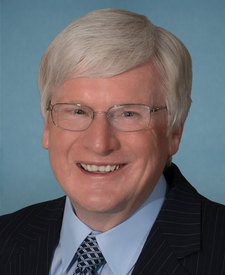
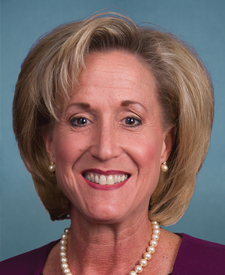
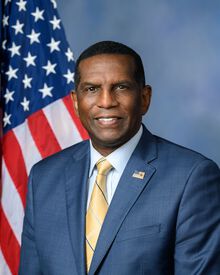
Mr. Grothman (for himself, Mrs. Wagner, and Mr. Owens) introduced …
Stakeholder Effects
cui bono?How this legislation distributes effects. Mention counts reflect frequency, not effect magnitude.
Adults with disabilities choosing certificate employment, Disability rights advocates, Section 14(c) employers
Positive-direction: Adults with disabilities choosing certificate employment, Section 14(c) employers
Negative-direction: Disability rights advocates
State vocational rehabilitation units
Bill Structure & Actor Mappings
Who is "The Secretary" in each section?
- "vr"
- → State vocational rehabilitation unit
- "covered_entity"
- → Covered subminimum wage entity
We use a combination of our own taxonomy and classification in addition to large language models to assess meaning and potential beneficiaries. High confidence means strong textual evidence. Always verify with the original bill text.
Learn more about our methodology