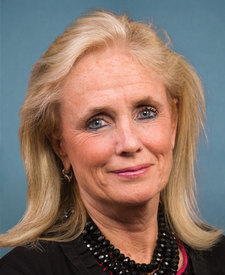
HR8609-119

In Committee

Vehicle Innovation Act of 2026

119th Congress Introduced Apr 30, 2026

Summary

What This Bill Does

The Vehicle Innovation Act of 2026 creates a consolidated Department of Energy vehicle technology program. The bill defines the Department as the Department of Energy and the Secretary as the Secretary of Energy. Its objectives are to improve fuel efficiency and emissions for U.S.-produced vehicles, support domestic research, development, engineering, demonstration, commercial application, and manufacturing of advanced vehicles, engines, and components, move more goods and passengers with less energy and emissions, broaden consumer technology and fuel choices, shorten vehicle-industry technology cycles, balance federal investment, and strengthen federal, state, private-sector, and academic partnerships. The Secretary must avoid duplication with other Department programs and other research agencies.

The bill authorizes appropriations to the Secretary for vehicle and related-technology research, development, engineering, demonstration, and commercial application in the United States: $313,567,000 for fiscal year 2027, $326,109,000 for fiscal year 2028, $339,154,000 for fiscal year 2029, $352,720,000 for fiscal year 2030, and $366,829,000 for fiscal year 2031. The Secretary must report to Congress within 18 months and annually through 2031 on technologies developed under the Act, whether they were adopted commercially, whether products using the technologies are manufactured in the United States, yearly activities, industry participants, public-private partnerships, progress toward goals and timelines, and a strategic funding plan across agencies.

The main research program covers electrification, batteries, power electronics, vehicle and component manufacturing, engine efficiency, waste heat recovery, transmissions and drivetrains, hydrogen vehicle and fuel-cell technologies, hydrogen infrastructure, natural gas vehicles, aerodynamics, rolling resistance, lightweight materials, friction and wear reduction, durability, propulsion systems, fuel optimization, modeling and simulation, alternative-fuel and electric charging infrastructure, gaseous-fuel storage, vehicle-grid communications, critical-material substitution and recycling, aftertreatment, battery thermal management, retrofits, standards and architectures for batteries, advanced combustion engines, hybrid technologies, vehicle-to-vehicle, vehicle-to-pedestrian, and vehicle-to-infrastructure technologies, and other Secretary-selected research areas. The bill directs DOE to maintain mid- to long-term competency in transformational vehicle technologies, work with manufacturers, fuel producers, utilities, universities, national laboratories, and independent research labs, transfer research findings to industry, support public-private partnerships, prioritize grants with the greatest fuel savings and U.S. employment effects, develop battery second-use and recycling demonstration guidelines, solicit and select battery demonstration grants, and run advanced vehicle manufacturing technology programs.

The bill also requires a medium- and heavy-duty commercial and transit vehicle program for engine efficiency, natural gas storage, waste heat recovery, aerodynamics, emissions control, hybrid and electric platforms, drivetrain optimization, idle-loss reduction, accessory electrification, sensing and communications, lightweighting, battery thermal management, charging and compressed natural gas infrastructure, hydrogen vehicles and infrastructure, fleet retrofits, and integrated truck and trailer systems. The Secretary must conduct a competitive grant program for Class 8 truck and trailer demonstrations, with applicant teams including truck and trailer manufacturers, engine and component manufacturers, fleet customers, university researchers, and other applicants. The Secretary and interagency research partners must develop standard heavy-vehicle testing procedures, evaluate performance with work-based metrics rather than only miles per gallon, and may build heavy-duty truck and bus testing facilities. The bill adds a nonroad mobile equipment pilot program for agricultural, construction, air-port, and sea-port equipment efficiency and technology transfer between nonroad and on-highway sectors. It repeals several older Energy Policy Act of 2005 vehicle authorities and amends section 911 to remove vehicle references, consolidating authority under the new program.

Who Benefits and How

Advanced vehicle manufacturers, heavy commercial and transit vehicle manufacturers, qualified plug-in electric vehicle manufacturers, natural gas vehicle manufacturers, vehicle and engine component manufacturers, manufacturing equipment manufacturers, advanced vehicle service providers, fuel producers, energy suppliers, electric utilities, universities, national laboratories, independent research laboratories, battery recyclers, hydrogen and fuel-cell developers, fleet customers, and Class 8 truck and trailer applicant teams benefit because the bill authorizes funding, grants, demonstration projects, partnerships, technology-transfer processes, testing facilities, procurement information, and research priorities that can move advanced technologies toward commercial application and U.S. manufacturing. State and local governments benefit from DOE efforts to leverage their initiatives for advanced vehicle technologies, manufacturing, and infrastructure. U.S. workers benefit from grant priorities that favor technologies projected to increase U.S. employment. Consumers, fleets, transit users, and the public benefit from potential fuel savings, lower petroleum use, lower emissions, more technology and fuel choices, and more efficient movement of goods and passengers.

Who Bears the Burden and How

The Secretary of Energy and Department of Energy bear the largest administrative burden because they must coordinate nonduplicative programs, manage appropriated funds, conduct research and demonstration programs, award grants, maintain partnerships, develop battery second-use and recycling guidelines, solicit and select demonstration projects, make procurement information available, create testing procedures and work-based metrics, potentially build testing facilities, run the nonroad pilot, report to Congress, and implement repeals and conforming amendments. Program applicants and industry partners must comply with grant, partnership, demonstration, testing, reporting, and domestic-activity expectations to participate. Federal taxpayers bear costs from the authorizations totaling $1,698,379,000 over fiscal years 2027 through 2031. Existing vehicle programs under repealed Energy Policy Act authorities bear the burden of losing or shifting statutory authority into the consolidated vehicle technology program.

Key Provisions

  • Establishes DOE objectives for advanced vehicle technology, fuel efficiency, emissions reduction, domestic manufacturing, commercial application, consumer choice, technology-cycle acceleration, balanced federal investment, and federal-state-private-academic partnerships.
  • Requires the Secretary of Energy to avoid duplication with other DOE programs and other relevant research agencies.
  • Authorizes $313,567,000 for fiscal year 2027, $326,109,000 for fiscal year 2028, $339,154,000 for fiscal year 2029, $352,720,000 for fiscal year 2030, and $366,829,000 for fiscal year 2031 for vehicle and related technology research, development, engineering, demonstration, and commercial application.
  • Requires 18-month and annual reports through 2031 on developed technologies, commercial adoption, U.S. manufacturing, activities, industry participants, public-private partnerships, progress, and strategic funding plans.
  • Creates a broad DOE vehicle research and development program covering electrification, batteries, hydrogen, natural gas, lightweighting, critical materials, alternative fueling and charging infrastructure, connectivity, retrofits, manufacturing processes, battery second use, battery recycling, and advanced vehicle manufacturing.
  • Establishes medium- and heavy-duty commercial and transit vehicle research, a competitive Class 8 truck and trailer demonstration grant program, and heavy-vehicle testing procedures, work-based metrics, and possible testing facilities.
  • Adds a nonroad systems pilot program for agricultural, construction, air-port, and sea-port mobile equipment and repeals or narrows older Energy Policy Act vehicle authorities.

Evidence Chain:

This summary is generated from the full bill text using AI analysis. Expand "Detailed Analysis" below for identified beneficiaries/burden bearers with clause-level evidence links.

At a Glance

What This Bill Does

The bill consolidates and reauthorizes Department of Energy vehicle technology programs, authorizes more than $1.69 billion for fiscal years 2027 through 2031, expands research, development, demonstration, grants, testing, and reporting for advanced passenger, commercial, transit, Class 8 truck, and nonroad vehicle technologies, and repeals older overlapping Energy Policy Act vehicle authorities.

Key Policy Areas

Energy, Transportation, Manufacturing, Research and Development, Government Operations

Primary Purpose

The bill consolidates and reauthorizes Department of Energy vehicle technology programs, authorizes more than $1.69 billion for fiscal years 2027 through 2031, expands research, development, demonstration, grants, testing, and reporting for advanced passenger, commercial, transit, Class 8 truck, and nonroad vehicle technologies, and repeals older overlapping Energy Policy Act vehicle authorities.

Policy Domains

Energy Transportation Manufacturing Research and Development Government Operations

DOE vehicle technology objectives, coordination, appropriations, and reporting

Identified Gains
  • Department of Energy vehicle technology program
  • Advanced vehicle technology developers
  • Congressional oversight committees
Model: codex-gpt-5 | Version: bill_summary_v2 | Source: ih
Congressional oversight committees:
Advanced vehicle technology developers: ,
Department of Energy vehicle technology program: ,
Identified Costs
  • Secretary of Energy
  • Federal taxpayers
  • Department of Energy programs with overlapping activities
Model: codex-gpt-5 | Version: bill_summary_v2 | Source: ih
Federal taxpayers:
Secretary of Energy: , ,
Department of Energy programs with overlapping activities:

Nonroad mobile equipment pilot and consolidation of older authorities

Identified Gains
Contextual inference, no direct clause citation
  • Agricultural equipment manufacturers
  • Construction equipment manufacturers
  • Port equipment operators
Model: codex-gpt-5 | Version: bill_summary_v2 | Source: ih

Contextual inference, no direct clause citation

Identified Costs
Contextual inference, no direct clause citation
  • Secretary of Energy
  • Existing Energy Policy Act vehicle authorities
Model: codex-gpt-5 | Version: bill_summary_v2 | Source: ih

Contextual inference, no direct clause citation

Medium-duty, heavy-duty, Class 8, and testing programs

Identified Gains
  • Medium- and heavy-duty commercial vehicle manufacturers
  • Transit vehicle manufacturers
  • Class 8 truck and trailer applicant teams
  • Fleet customers
  • Heavy vehicle technology testing facilities
Model: codex-gpt-5 | Version: bill_summary_v2 | Source: ih
Fleet customers:
Transit vehicle manufacturers:
Class 8 truck and trailer applicant teams:
Heavy vehicle technology testing facilities:
Medium- and heavy-duty commercial vehicle manufacturers:
Identified Costs
  • Secretary of Energy
  • Interagency research program partners
  • Federal taxpayers
Model: codex-gpt-5 | Version: bill_summary_v2 | Source: ih
Federal taxpayers: ,
Secretary of Energy: , ,
Interagency research program partners: ,

Passenger, commercial, manufacturing, battery, fuel, and infrastructure research

Identified Gains
  • Automotive manufacturers
  • Battery and energy storage manufacturers
  • Hydrogen vehicle and fuel-cell developers
  • Electric utilities
  • Universities and national laboratories
  • Battery recycling firms
  • State and local governments
Model: codex-gpt-5 | Version: bill_summary_v2 | Source: ih
Electric utilities:
Battery recycling firms:
Automotive manufacturers:
State and local governments:
Universities and national laboratories:
Battery and energy storage manufacturers:
Hydrogen vehicle and fuel-cell developers:
Identified Costs
  • Secretary of Energy
  • Grant applicants
  • Existing vehicle programs under repealed or consolidated authorities
Model: codex-gpt-5 | Version: bill_summary_v2 | Source: ih
Grant applicants:
Secretary of Energy:

Legislative Progress

In Committee
Introduced Committee Passed
Apr 30, 2026

Referred to the Committee on Science, Space, and Technology, and …

Apr 30, 2026

Introduced in House

Apr 30, 2026

Mrs. Dingell (for herself and Ms. Stevens) introduced the following …

Stakeholder Effects

cui bono?

How this legislation distributes effects. Mention counts reflect frequency, not effect magnitude.

Federal Administration
11 mentions across 8 clauses
+2 positive -9 negative

Department of Energy programs with overlapping vehicle research, Department of Energy vehicle technology program, Interagency heavy vehicle research partners

Positive-direction: Department of Energy vehicle technology program

Negative-direction: Department of Energy programs with overlapping vehicle research, Interagency heavy vehicle research partners, Other federal research agencies with vehicle technology programs, Secretary of Energy

Automotive
5 mentions across 4 clauses
+5 positive

Advanced vehicle technology developers, Automotive manufacturers, Domestic vehicle manufacturers

Transportation
4 mentions across 4 clauses
+4 positive

Fleet customers participating in Class 8 demonstrations, Freight fleet operators using work-based vehicle metrics, Passenger and freight vehicle users

Research & Science
4 mentions across 4 clauses
+4 positive

Private and academic advanced-vehicle research partners, Public-private vehicle technology partnerships, Universities and national laboratories

Manufacturing
4 mentions across 4 clauses
+4 positive

Advanced heavy vehicle technology developers, Class 8 truck and trailer manufacturers, Medium- and heavy-duty commercial vehicle manufacturers

Taxpayers
3 mentions across 3 clauses
+1 positive -2 negative

Taxpayers

Taxpayers faces effects in multiple directions

Hydrogen
2 mentions across 2 clauses
+2 positive

Hydrogen truck technology developers, Hydrogen vehicle and fuel-cell developers

Oil & Gas
2 mentions across 2 clauses
+2 positive

Natural gas truck technology developers, Natural gas vehicle manufacturers

8/12
sections analyzed
Full impact breakdown

Bill Structure & Actor Mappings

Who is "The Secretary" in each section?

Domains
Energy Transportation Government Operations
Actor Mappings
"congress"
→ Congress and relevant congressional committees
"secretary"
→ Secretary of Energy
"department"
→ Department of Energy
Domains
Energy Transportation Manufacturing Research and Development
Actor Mappings
"secretary"
→ Secretary of Energy
"state_local"
→ State and local governments
"manufacturers"
→ Vehicle, engine, component, battery, hydrogen, and manufacturing equipment manufacturers
"energy_suppliers"
→ Fuel producers, energy suppliers, and electric utilities
"research_entities"
→ Universities, national laboratories, and independent research laboratories
Domains
Energy Transportation Manufacturing Research and Development
Actor Mappings
"secretary"
→ Secretary of Energy
"fleet_customers"
→ Fleet customers
"truck_manufacturers"
→ Truck and trailer manufacturers
"interagency_partners"
→ Interagency research program partners
"university_researchers"
→ University researchers
Domains
Energy Transportation Government Operations
Actor Mappings
"secretary"
→ Secretary of Energy
"legacy_programs"
→ Energy Policy Act of 2005 vehicle authorities
"nonroad_equipment"
→ Agricultural, construction, air-port, and sea-port mobile equipment sectors

Key Definitions

Terms defined in this bill

4 terms
"Class 8 truck and trailer systems" §section_9_class_8

Truck and trailer platforms used for integrated demonstrations of multiple advanced technologies listed in the medium- and heavy-duty vehicle program.

"nonroad mobile equipment" §section_11_nonroad

Agricultural, construction, air-port, and sea-port equipment covered by the nonroad systems pilot program.

"Secretary" §section_2_secretary

The Secretary of Energy.

"Department" §section_2_department

The Department of Energy.

We use a combination of our own taxonomy and classification in addition to large language models to assess meaning and potential beneficiaries. High confidence means strong textual evidence. Always verify with the original bill text.

Learn more about our methodology