To amend title 18, United States Code, to restrict the possession of certain firearms, and for other purposes.
Analysis under review: This bill has generated analysis that may be too generic or incomplete. Clause-level evidence remains available below.
Summary
What This Bill Does
This bill, To amend title 18, United States Code, to restrict the possession of certain firearms, and for other purposes., changes federal law or congressional policy affecting energy producers, utilities, and energy consumers. The main policy domain is Energy, Criminal Justice, Transportation.
Who Benefits and How
energy producers, utilities, and energy consumers may benefit from new authority, funding, eligibility, regulatory clarity, or reduced risk created by the bill.
Who Bears the Burden and How
federal implementing agencies, energy producers, utilities, and energy consumers may take on implementation duties, reporting obligations, compliance costs, or oversight responsibilities.
Key Provisions
- Section H71F9D6E8A5BD4B72AAFAAC8E69B20A89: 1. Short title This Act may be cited as the Gas-Operated Semi-Automatic Firearms Exclusion Act or the GOSAFE Act.
- Section H9D19BFC63360455CAD1359B1EE39EF16: 2. Restrictions Section 921(a) of title 18, United States Code, is amended by adding at the end the following: (38)The term semi-automatic firearm means any...
- Section HC1F05E9A3EDB41D59F53F2ADBBAA2744: 3. Use of Byrne grants for buy-back programs for gas-operated semi-automatic firearms and large capacity ammunition feeding devices Section 501(a)(1) of title...
- Section H2FA30FBFCBD04731B7130E5A04B22B25: 4. Penalties Section 924(a) of title 18, United States Code, is amended by adding at the end the following: (9)(A)Whoever violates subsection (v) or (w) of...
- Section H4DBB04E3914746238C9913F37E59761C: 5. Prohibited firearm determinations Chapter 44 of title 18, United States Code, is amended by adding at the end the following: 935.Prohibited firearm...
Evidence Chain:
This summary is generated from the full bill text using AI analysis. Expand "Detailed Analysis" below for identified beneficiaries/burden bearers with clause-level evidence links.
At a Glance
What This Bill Does
This bill, To amend title 18, United States Code, to restrict the possession of certain firearms, and for other purposes., changes federal law or congressional policy affecting energy producers, utilities, and energy consumers.
Key Policy Areas
Energy, Criminal Justice, Transportation
Primary Purpose
This bill, To amend title 18, United States Code, to restrict the possession of certain firearms, and for other purposes., changes federal law or congressional policy affecting energy producers, utilities, and energy consumers.
Policy Domains
Whole bill
Identified Gains
- energy producers, utilities, and energy consumers
Identified Costs
- federal implementing agencies
- energy producers, utilities, and energy consumers
Sponsors


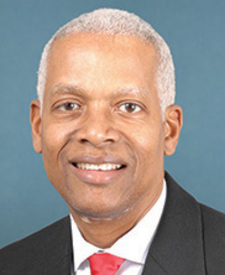
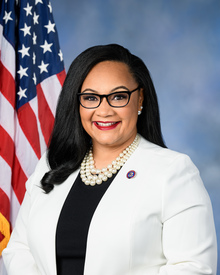
Legislative Progress
IntroducedMrs. McBath (for herself, Mr. Beyer, Ms. Williams of Georgia, …
Impact analysis is available but no clear stakeholder effects identified. View clause-level analysis →
Bill Structure & Actor Mappings
Who is "The Secretary" in each section?
- "federal_implementing_agencies"
- → Federal agencies assigned duties by the bill
Key Definitions
Terms defined in this bill
any firearm that— upon initiating the firing sequence, fires the first chambered cartridge and uses a portion of the energy of the firing cartridge to— extract the expended cartridge case
We use a combination of our own taxonomy and classification in addition to large language models to assess meaning and potential beneficiaries. High confidence means strong textual evidence. Always verify with the original bill text.
Learn more about our methodology