To impose sanctions on the judges, prosecutors and investigators of the Islamic Republic of Iran’s Revolutionary Courts.
Analysis under review: This bill has generated analysis that may be too generic or incomplete. Clause-level evidence remains available below.
Summary
What This Bill Does
This bill, To impose sanctions on the judges, prosecutors and investigators of the Islamic Republic of Iran’s Revolutionary Courts., changes federal law or congressional policy affecting law enforcement, courts, victims, and regulated public-safety actors. The main policy domain is Criminal Justice, Foreign Policy, Government Operations.
Who Benefits and How
law enforcement, courts, victims, and regulated public-safety actors may benefit from new authority, funding, eligibility, regulatory clarity, or reduced risk created by the bill.
Who Bears the Burden and How
federal implementing agencies, law enforcement, courts, victims, and regulated public-safety actors may take on implementation duties, reporting obligations, compliance costs, or oversight responsibilities.
Key Provisions
- Section H0E2A84B749164921B991F16429642182: 1. Short title This Act may be cited as the Targeting Oppressive Officers to Mitigate Abuse in the Iranian Judiciary Act or the TOOMAJ Act.
- Section H6D954F6FE2484940BEA755AE0126E032: 2. Findings Congress makes the following findings: Torture is deeply contrary to both the laws and ethical values of the United States, as well as to...
- Section H36DFF1CAD8C4434BBA4D69D96138F9AD: 3. Sanctions on judges of the islamic revolutionary courts It is the sense of Congress that— the United States shall stand with and support the people of Iran...
- Section HD9160C82382D44EFB0A345178CAC1874: 4. Statement of policy It is the policy of the United States that— the legal and bureaucratic apparatus of the Islamic Revolutionary Courts facilitates the...
- Section H8E92289F259B45C98B19CDAA655DA7C9: 5. Definitions In this Act: The term political prisoner means a person who has been detained or imprisoned on politically motivated grounds.
Evidence Chain:
This summary is generated from the full bill text using AI analysis. Expand "Detailed Analysis" below for identified beneficiaries/burden bearers with clause-level evidence links.
At a Glance
What This Bill Does
This bill, To impose sanctions on the judges, prosecutors and investigators of the Islamic Republic of Iran’s Revolutionary Courts., changes federal law or congressional policy affecting law enforcement, courts, victims, and regulated public-safety actors.
Key Policy Areas
Criminal Justice, Foreign Policy, Government Operations
Primary Purpose
This bill, To impose sanctions on the judges, prosecutors and investigators of the Islamic Republic of Iran’s Revolutionary Courts., changes federal law or congressional policy affecting law enforcement, courts, victims, and regulated public-safety actors.
Policy Domains
Whole bill
Identified Gains
- law enforcement, courts, victims, and regulated public-safety actors
Identified Costs
- federal implementing agencies
- law enforcement, courts, victims, and regulated public-safety actors
Sponsors

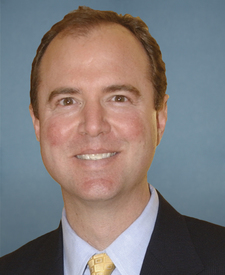
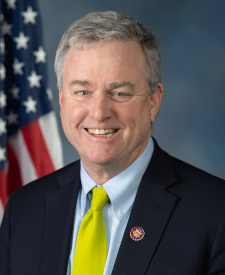

Legislative Progress
IntroducedMrs. Kim of California (for herself, Mr. Schiff, Mr. Lawler, …
Impact analysis is available but no clear stakeholder effects identified. View clause-level analysis →
Bill Structure & Actor Mappings
Who is "The Secretary" in each section?
- "federal_implementing_agencies"
- → Federal agencies assigned duties by the bill
We use a combination of our own taxonomy and classification in addition to large language models to assess meaning and potential beneficiaries. High confidence means strong textual evidence. Always verify with the original bill text.
Learn more about our methodology