To direct the Federal Election Commission to establish a program under which participating States shall provide individuals with vouchers which may be used to make contributions to candidates for election for the office of Representative in, or Delegate or Resident Commissioner to, the Congress, to amend the Federal Election Campaign Act of 1971 to establish a program to provide small dollar financing for candidates for election for the office of Representative in, or Delegate or Resident Commissioner to, the Congress, and for other purposes.
Analysis under review: This bill has generated analysis that may be too generic or incomplete. Clause-level evidence remains available below.
Summary
What This Bill Does
This bill creates a public campaign financing system for U.S. House elections. It establishes My Voice Vouchers - $25 vouchers given to eligible voters to donate to participating candidates - and a 6:1 matching fund for small dollar contributions (under $200). The goal is to amplify the voice of small donors and reduce candidates dependence on large contributors.
Who Benefits and How
Small donors and ordinary voters gain amplified influence - their contributions are matched 600% by public funds. First-time and grassroots candidates benefit from a viable path to financing without relying on wealthy donors or special interests. Political parties can still contribute from segregated small-dollar accounts.
Who Bears the Burden and How
Large donors and wealthy individuals face reduced influence as participating candidates cannot accept contributions over $1,000 from individuals. Corporations and organizations face a 4.75% surcharge on federal fines, penalties, and settlements to fund the program. Participating candidates face strict compliance requirements and spending restrictions.
Key Provisions
- Creates $25 My Voice Vouchers for voters to contribute to House candidates in 3 pilot states
- Provides 600% matching funds for qualified small dollar contributions ($1-$200)
- Limits participating candidates to $1,000 per individual donor and $50,000 in personal funds
- Funds the program through 4.75% assessments on corporate criminal fines, civil penalties, and settlements
Evidence Chain:
This summary is generated from the full bill text using AI analysis. Expand "Detailed Analysis" below for identified beneficiaries/burden bearers.
At a Glance
What This Bill Does
Establishes a public campaign financing system for House elections through voter democracy vouchers and 6:1 matching funds for small dollar contributions to reduce the influence of large donors.
Key Policy Areas
Campaign Finance, Elections, Government Reform
Primary Purpose
Establishes a public campaign financing system for House elections through voter democracy vouchers and 6:1 matching funds for small dollar contributions to reduce the influence of large donors.
Policy Domains
Title I - Voucher Pilot Program
Identified Gains
Contextual inference, no direct clause citation- Small donors
- First-time candidates
- Grassroots candidates
- Voters in pilot states
Contextual inference, no direct clause citation
Identified Costs
Contextual inference, no direct clause citation- State election administrators
- Federal Election Commission
Contextual inference, no direct clause citation
Title II - Small Dollar Financing Program
Identified Gains
Contextual inference, no direct clause citation- Participating candidates
- Small donors
- Political parties
Contextual inference, no direct clause citation
Identified Costs
Contextual inference, no direct clause citation- Large donors
- Corporations paying federal penalties
- Wealthy candidates
Contextual inference, no direct clause citation
Title V FECA - Small Dollar Democracy
Identified Gains
Contextual inference, no direct clause citation- Participating candidates
- Small donors
- General election candidates
Contextual inference, no direct clause citation
Identified Costs
Contextual inference, no direct clause citation- Participating candidates (compliance)
- Federal Election Commission (administration)
- Treasury Department
Contextual inference, no direct clause citation
Sponsors
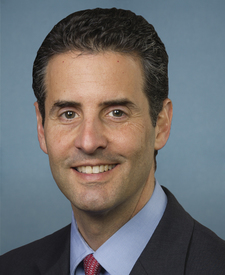
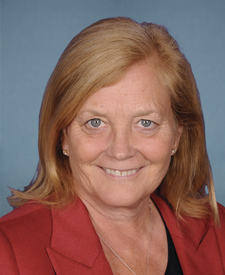
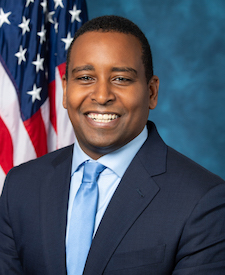
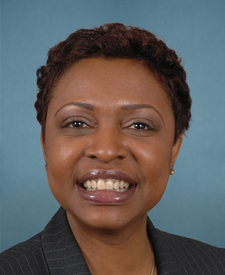
Legislative Progress
IntroducedMr. Sarbanes (for himself, Mr. Neguse, Ms. Clarke of New …
Stakeholder Effects
cui bono?How this legislation distributes effects. Mention counts reflect frequency, not effect magnitude.
Candidates receiving enhanced general election support, Candidates reliant on large donors, Grassroots candidates with broad small donor support
Participating candidates faces effects in multiple directions
Positive-direction: Grassroots candidates with broad small donor support, House candidates in pilot states, House candidates who qualify as participating candidates, Participating candidates for House elections, Participating candidates in general elections, Participating candidates with strong small donor support
Negative-direction: Candidates receiving enhanced general election support, Candidates reliant on large donors, Participating candidates and campaign committees, Participating candidates subject to audits, Participating candidates who violate program rules, Wealthy self-funding candidates
Federal Election Commission, Federal treasury, Freedom From Influence Fund
State election administrators in pilot states faces effects in multiple directions
Positive-direction: Freedom From Influence Fund
Negative-direction: Federal Election Commission, Federal treasury, Government Accountability Office, Treasury Department
Corporations convicted of federal crimes, Organizations convicted of federal crimes, Organizations entering federal settlement agreements
Eligible voters in pilot states, Small dollar donors
Large donors to party committees, Large individual donors, Large political donors
Corporate officers convicted of federal crimes
Bill Structure & Actor Mappings
Who is "The Secretary" in each section?
- "the_commission"
- → Federal Election Commission
- "the_commission"
- → Federal Election Commission
- "the_comptroller_general"
- → Comptroller General of the United States
- "the_secretary"
- → Secretary of the Treasury
- "the_commission"
- → Federal Election Commission
Key Definitions
Terms defined in this bill
A contribution between $1 and $200 made directly by an individual to a candidate, not forwarded by another person or made at anothers request
Period from day after most recent general election to date of next general election for that office
180-day period from filing statement of intent until 30 days before general election
A State resident who will be voting age by election date and not prohibited from making federal contributions
We use a combination of our own taxonomy and classification in addition to large language models to assess meaning and potential beneficiaries. High confidence means strong textual evidence. Always verify with the original bill text.
Learn more about our methodology