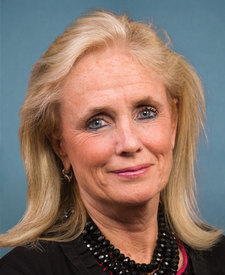
Shifting Forward Vehicle Technologies Research and Development Act
Summary
What This Bill Does
The Shifting Forward Vehicle Technologies Research and Development Act sets up a broad DOE vehicle-technology R&D agenda through 2031. It defines alternative fuel, extreme fast charging, sustainable materials, the Department, and the Secretary; requires recurring DOE reports to Congress; creates an advanced vehicle research and demonstration program covering electrification, batteries, critical-material recycling, fuel cells, hydrogen, biofuels, lightweight materials, advanced computing, vehicle-grid integration, charging and refueling infrastructure, and nonroad transportation; establishes vehicle cybersecurity and energy storage safety programs; creates an Advanced Vehicle Technologies Advisory Committee; funds medium- and heavy-duty vehicle technology demonstrations; supports technical assistance for state, local, and Tribal alternative-fuel deployment; creates up to seven graduate automotive technology education centers; requires an RFI and report on alternative-fuel transmission and delivery barriers; creates an energy-efficient mobility systems program; and authorizes more than $2.9 billion from fiscal years 2027 through 2031 for related activities.
Who Benefits and How
Automakers, truck and bus manufacturers, battery developers, hydrogen fuel-cell companies, alternative-fuel firms, charging and refueling infrastructure providers, advanced materials manufacturers, and mobility technology developers benefit because DOE can fund research, cooperative agreements, demonstrations, standards work, and technical assistance that reduce development costs and help move technologies toward commercial adoption. State, local, and Tribal governments benefit from technical assistance and public-private partnerships for alternative fuel infrastructure. Universities, HBCUs, minority-serving institutions, Tribal Colleges, engineering students, and graduate researchers benefit from the Graduate Automotive Technology Education Centers of Research Excellence grant program.
Who Bears the Burden and How
The Department of Energy and the Secretary of Energy bear the largest administrative burden because they must run multiple R&D programs, coordinate with NIST, DOT, NSF, DOD, other DOE offices, state and local governments, and industry partners, establish an advisory committee, award and monitor financial assistance, publish RFIs, provide technical assistance, develop reports, and track milestones through 2031. Grant and assistance recipients also bear application, reporting, testing, demonstration, and coordination burdens tied to federal awards and cooperative agreements.
Key Provisions
- Directs DOE to conduct advanced vehicle R&D on electrification, batteries, critical materials, fuel cells, alternative fuels, lightweighting, recycling, computing, grid integration, charging, refueling, nonroad vehicle technologies, and voluntary testing standards.
- Establishes dedicated DOE research programs for vehicle cybersecurity and vehicle energy-storage safety, including extreme fast charging, connected vehicles, battery abuse testing, hydrogen storage, and safety protocols.
- Creates an Advanced Vehicle Technologies Advisory Committee and a medium- and heavy-duty commercial and transit vehicle program with financial assistance for manufacturers, fleet owners, researchers, and component developers.
- Authorizes $50 million per year for fiscal years 2027 through 2031 for technical assistance to state, local, and Tribal governments and public-private partnerships deploying alternative fuel infrastructure.
- Authorizes $8.3 million per year for fiscal years 2027 through 2031 for up to seven graduate automotive technology education centers, with required participation by HBCUs, minority-serving institutions, or Tribal Colleges.
- Authorizes DOE appropriations rising from $530 million in fiscal year 2027 to $644.2 million in fiscal year 2031 for alternative fuels, vehicle propulsion systems, vehicle components, and related technologies.
Evidence Chain:
This summary is generated from the full bill text using AI analysis. Expand "Detailed Analysis" below for identified beneficiaries/burden bearers with clause-level evidence links.
At a Glance
What This Bill Does
The bill creates and funds Department of Energy research, development, demonstration, technical-assistance, advisory, and education programs for advanced vehicle technologies, alternative fuels, batteries, charging and refueling infrastructure, vehicle cybersecurity, nonroad transportation, mobility systems, and domestic manufacturing.
Key Policy Areas
Energy, Transportation, Education
Primary Purpose
The bill creates and funds Department of Energy research, development, demonstration, technical-assistance, advisory, and education programs for advanced vehicle technologies, alternative fuels, batteries, charging and refueling infrastructure, vehicle cybersecurity, nonroad transportation, mobility systems, and domestic manufacturing.
Policy Domains
Vehicle security, energy-storage safety, and advisory committee
Identified Gains
- Electric vehicle manufacturers
- Charging equipment providers
- Battery safety researchers
- Vehicle technology advisory committee members
Identified Costs
- Department of Energy
- Secretary of Energy
- Advanced Vehicle Technologies Advisory Committee
Definitions, reporting, and core advanced vehicle R&D
Identified Gains
- Vehicle manufacturers
- Battery technology developers
- Hydrogen fuel-cell developers
- Alternative fuel producers
- Advanced materials manufacturers
Identified Costs
- Department of Energy
- Secretary of Energy
- National Institute of Standards and Technology
Commercial vehicle R&D, infrastructure technical assistance, and GATE centers
Identified Gains
- Truck manufacturers
- Transit vehicle manufacturers
- Public fleet owners
- State governments deploying alternative fuels
- Graduate automotive engineering students
- Historically Black Colleges and Universities
Identified Costs
- Department of Energy
- Secretary of Energy
- Grant-recipient universities
- Alternative fuel public-private partnerships
Alternative-fuel delivery, mobility systems, coordination, and appropriations
Identified Gains
- Alternative fuel infrastructure developers
- Electric grid technology developers
- Mobility systems researchers
- Department of Transportation research programs
Identified Costs
- Department of Energy
- Secretary of Energy
- DOE technology offices
- Federal research partner agencies
Sponsors
Legislative Progress
In CommitteeReferred to the House Committee on Science, Space, and Technology.
Introduced in House
Ms. Stevens (for herself and Mrs. Dingell) introduced the following …
Stakeholder Effects
cui bono?How this legislation distributes effects. Mention counts reflect frequency, not effect magnitude.
Advanced Vehicle Technologies Advisory Committee, DOE Office of Energy Efficiency and Renewable Energy, Department of Defense vehicle research programs
Positive-direction: Department of Energy vehicle technology programs
Negative-direction: Advanced Vehicle Technologies Advisory Committee, DOE Office of Energy Efficiency and Renewable Energy, Department of Defense vehicle research programs, Department of Energy commercial vehicle programs, Department of Energy cybersecurity programs, Department of Energy education grant staff, Department of Energy mobility systems program, Department of Energy safety researchers, Department of Energy technical assistance staff, Department of Energy vehicle programs, Department of Transportation research programs, National Institute of Standards and Technology, National Science Foundation research programs, Secretary of Energy
Automobile manufacturers represented on advisory committee, Bus manufacturers, Connected vehicle manufacturers
Battery manufacturers, Battery technology developers, Domestic manufacturers using DOE vehicle technologies
Academic vehicle technology researchers, Graduate automotive engineering students, Historically Black Colleges and Universities
Alternative fuel infrastructure developers, Alternative fuel infrastructure public-private partnerships, Mobility systems researchers
Congressional energy and science committees, Local governments deploying alternative fuel infrastructure, State governments deploying alternative fuel infrastructure
Positive-direction: Congressional energy and science committees, Local governments deploying alternative fuel infrastructure, State governments deploying alternative fuel infrastructure, Tribal governments deploying alternative fuel infrastructure
Negative-direction: Taxpayers
Charging equipment providers, Electric grid operators, Electric grid technology developers
Alternative fuel technology developers
Bill Structure & Actor Mappings
Who is "The Secretary" in each section?
- "nist"
- → National Institute of Standards and Technology
- "secretary"
- → Secretary of Energy
- "department"
- → Department of Energy
- "secretary"
- → Secretary of Energy
- "advisory_committee"
- → Advanced Vehicle Technologies Advisory Committee
- "secretary"
- → Secretary of Energy
- "gate_centers"
- → Graduate Automotive Technology Education Centers of Research Excellence
- "state_local_tribal_governments"
- → State, local, and Tribal governments
- "secretary"
- → Secretary of Energy
- "doe_offices"
- → DOE technology and demonstration offices
- "federal_partners"
- → Department of Transportation, NIST, NSF, DOD, and other federal agencies
Key Definitions
Terms defined in this bill
A fuel that significantly reduces lifecycle greenhouse-gas and criteria-air-pollutant emissions compared with conventional fuel.
Recharging up to 80 percent of battery capacity in about 10 minutes or less.
We use a combination of our own taxonomy and classification in addition to large language models to assess meaning and potential beneficiaries. High confidence means strong textual evidence. Always verify with the original bill text.
Learn more about our methodology