To amend title 49, United States Code, to expand the authority of the Administrator of the Federal Motor Carrier Safety Administration to assess penalties for violations of laws and regulations relating to the shipping of household goods, and for other purposes.
Analysis under review: This bill has generated analysis that may be too generic or incomplete. Clause-level evidence remains available below.
Summary
What This Bill Does
This bill, To amend title 49, United States Code, to expand the authority of the Administrator of the Federal Motor Carrier Safety Administration to assess penalties for violations of laws and regulations relating to the shipping of household goods, and for other purposes., changes federal law or congressional policy affecting transportation operators and travelers. The main policy domain is Transportation, Foreign Policy, Government Operations.
Who Benefits and How
transportation operators and travelers may benefit from new authority, funding, eligibility, regulatory clarity, or reduced risk created by the bill.
Who Bears the Burden and How
federal implementing agencies, transportation operators and travelers may take on implementation duties, reporting obligations, compliance costs, or oversight responsibilities.
Key Provisions
- Section H991B01ECF870461E97E0FF42B2A6FD72: 1. Short title This Act may be cited as the Household Goods Shipping Consumer Protection Act.
- Section H39C8E782305047B9ADD0F0A489C62698: 2. Administrative Assessment of Civil Penalties for Violations of Commercial Regulations Section 14914 of title 49, United States Code, is amended— by...
- Section H3C600FBFC14C46748FEC793B7A6F795D: 3. State Use of Grant Funds for Commercial Enforcement and Consumer Protection Section 31102 of title 49, United States Code, is amended— in subsection (h)— in...
- Section H80FBDB9B01F842D088ABFABC86AD7BC6: 4. State Retention of Penalties and Fines Section 14711 of title 49, United States Code, is amended by adding at the end the following:...
- Section H08DE2000EC274A6BBD3A5EFE8D095A13: 5. Registration Requirements Section 13102 of title 49, United States Code, is amended by adding at the end the following: (28)Principal place of businessThe...
Evidence Chain:
This summary is generated from the full bill text using AI analysis. Expand "Detailed Analysis" below for identified beneficiaries/burden bearers with clause-level evidence links.
At a Glance
What This Bill Does
This bill, To amend title 49, United States Code, to expand the authority of the Administrator of the Federal Motor Carrier Safety Administration to assess penalties for violations of laws and regulations relating to the shipping of household goods, and for other purposes., changes federal law or congressional policy affecting transportation operators and travelers.
Key Policy Areas
Transportation, Foreign Policy, Government Operations
Primary Purpose
This bill, To amend title 49, United States Code, to expand the authority of the Administrator of the Federal Motor Carrier Safety Administration to assess penalties for violations of laws and regulations relating to the shipping of household goods, and for other purposes., changes federal law or congressional policy affecting transportation operators and travelers.
Policy Domains
Whole bill
Identified Gains
- transportation operators and travelers
Identified Costs
- federal implementing agencies
- transportation operators and travelers
Sponsors

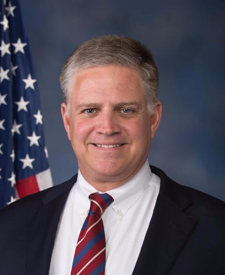
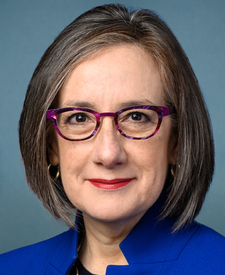
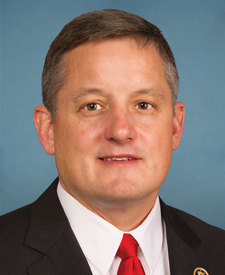

Legislative Progress
ReportedAdditional sponsors: Mr. Meuser, Mrs. Peltola, Mrs. Napolitano, Mr. Carter …
Reported with amendments, committed to the Committee of the Whole …
Ms. Norton (for herself and Mr. Ezell) introduced the following …
Impact analysis is available but no clear stakeholder effects identified. View clause-level analysis →
Bill Structure & Actor Mappings
Who is "The Secretary" in each section?
- "the_secretary"
- → The Secretary identified in the operative section
Key Definitions
Terms defined in this bill
a single physical business location of a specified entity where— management officials of such specified entity report to work
We use a combination of our own taxonomy and classification in addition to large language models to assess meaning and potential beneficiaries. High confidence means strong textual evidence. Always verify with the original bill text.
Learn more about our methodology