HR8406-119

In Committee

Climate Change Education Act

119th Congress Introduced Apr 21, 2026

Summary

What This Bill Does

The Climate Change Education Act directs the Administrator of the National Oceanic and Atmospheric Administration to establish a Climate Change Education Program within NOAA's Office of Education within one year after enactment. The program must increase climate literacy in the United States by broadening understanding of climate change, including long-term and short-term consequences, disproportionate impacts, and potential solutions. It must use the latest scientific and technological discoveries and NOAA scientific assets to provide formal and nonformal learning opportunities for people of all ages, including people from diverse cultural and linguistic backgrounds. It must emphasize actionable information about technologies, jobs, career training, programs, and incentives related to climate change, adaptation, mitigation, resilience, climate justice, and environmental justice.

The bill defines climate change education as formal and nonformal interdisciplinary learning at all ages about climate change, adaptation, mitigation, resilience, climate justice, and the effects of those topics on environmental, energy, social, and economic systems. It defines climate justice, climate literacy, environmental justice, environmental justice community, green economy, institution of higher education, state and local educational agencies, nonformal learning, and nonprofit organization. Congressional findings state that human-induced climate change evidence is overwhelming, that conservation and renewable energy can reduce atmospheric carbon, that education can reduce fear and helplessness and encourage action, that millions of graduates carry climate attitudes and knowledge into lifelong decisions, that public support exists for climate education, and that NOAA's Environmental Literacy Program provides an existing foundation.

NOAA must establish a grant and cooperative-agreement program as part of the Climate Change Education Program. State educational agencies, in partnership with local educational agencies and local nonprofit organizations, and certain local educational agencies may receive support for grade 4 through grade 12 climate literacy plans aligned with state education standards, professional development, standards integration, model curricula, applied project-based learning such as green school facility improvements, and career and technical education pathways for high-demand climate-related jobs. Local educational agency projects may develop district plans covering facilities, curriculum, environmental health, educator professional development, student experiences, and equity, and may support community partnerships.

Institutions of higher education and networks of such institutions may receive grants or cooperative agreements for faculty-student teams that develop applied climate research and deliver services to local communities on climate mitigation and adaptation, with priority for long-term campus-community partnerships, scalable projects, significant student input, inclusiveness, and equitable outcomes. Professional associations and academic disciplinary societies may receive support to build continuing-education capacity for practicing professionals and the general public in green-economy fields. Youth corps organizations may receive support for community-based climate mitigation and adaptation work with a substantive educational component. NOAA must establish communities of practice for each grantee category.

The bill sets funding allocation rules. Local educational agencies may receive awards under the K-12 category only in fiscal years when appropriations for grants and cooperative agreements exceed $5 million. Ordinarily, 50 percent of grant funds go to state or local educational agency work, 30 percent to higher education projects, 10 percent to professional associations or academic societies, and 10 percent to youth corps organizations. If appropriations do not exceed $5 million, NOAA may use 60 percent for the education-agency category and 40 percent for higher education projects. Forty percent of all amounts allocated for higher education and youth corps awards must be directed into environmental justice communities. If appropriations exceed $5 million, each education-agency award must provide at least $1 million in that fiscal year.

The Administrator must submit an annual report to Congress beginning no later than two years after enactment evaluating the scientific merits, educational effectiveness, and broader effects of activities under the Act. The bill authorizes $50 million per year for NOAA to carry out the Act for fiscal years 2027 through 2032.

Who Benefits and How

K-12 students, educators, state educational agencies, local educational agencies, local nonprofit organizations, higher education institutions, faculty, students, professional associations, academic societies, youth corps organizations, environmental justice communities, and local communities benefit from new grant and cooperative-agreement funding, curricula, educator training, applied climate research, career pathways, community partnerships, continuing education, and youth corps projects. NOAA benefits from a statutory program structure that builds on its Environmental Literacy Program. The green-economy workforce benefits from training and career pathway investments tied to climate-related jobs.

Who Bears the Burden and How

NOAA and its Office of Education bear administrative burden because they must establish the program, manage grants and cooperative agreements, set up communities of practice, apply allocation rules, direct certain funds to environmental justice communities, and submit annual reports to Congress. State educational agencies, local educational agencies, higher education institutions, professional associations, academic societies, and youth corps organizations bear application, partnership, project delivery, and reporting burdens if they seek funding. Federal taxpayers bear costs from the $50 million annual authorization for fiscal years 2027 through 2032.

Key Provisions

  • Establishes a NOAA Climate Change Education Program within one year to increase climate literacy and provide formal and nonformal learning opportunities.
  • Defines climate change education, climate justice, climate literacy, environmental justice, environmental justice community, green economy, educational agencies, nonformal learning, and nonprofit organization.
  • Creates grants and cooperative agreements for state and local educational agencies, higher education institutions, professional associations, academic societies, and youth corps organizations.
  • Requires K-12 climate literacy plans, educator professional development, climate concepts in standards, model curricula, applied learning, and career and technical education pathways.
  • Prioritizes higher education projects with campus-community partnerships, scalability, student input, inclusiveness, and equitable outcomes.
  • Directs 40 percent of higher education and youth corps grant funds into environmental justice communities and sets allocation percentages across recipient categories.
  • Requires annual congressional reports evaluating scientific merits, educational effectiveness, and broader program effects.
  • Authorizes $50 million per year for fiscal years 2027 through 2032.

Evidence Chain:

This summary is generated from the full bill text using AI analysis. Expand "Detailed Analysis" below for identified beneficiaries/burden bearers with clause-level evidence links.

At a Glance

What This Bill Does

The bill directs NOAA to create a Climate Change Education Program, award grants and cooperative agreements for formal and nonformal climate education, prioritize environmental justice communities in certain awards, report annually to Congress, and authorizes $50 million per year for fiscal years 2027 through 2032.

Key Policy Areas

Education, Climate, Environmental Justice, Workforce Development, Government Operations

Primary Purpose

The bill directs NOAA to create a Climate Change Education Program, award grants and cooperative agreements for formal and nonformal climate education, prioritize environmental justice communities in certain awards, report annually to Congress, and authorizes $50 million per year for fiscal years 2027 through 2032.

Policy Domains

Education Climate Environmental Justice Workforce Development Government Operations

Climate education grants and cooperative agreements

Identified Gains
  • State educational agencies
  • Local educational agencies
  • Institutions of higher education
  • Professional associations
  • Academic disciplinary societies
  • Youth corps organizations
  • Environmental justice communities
  • K-12 students
Model: codex-gpt-5 | Version: bill_summary_v2 | Source: ih
K-12 students:
Professional associations:
Youth corps organizations:
Local educational agencies:
State educational agencies:
Academic disciplinary societies:
Institutions of higher education:
Environmental justice communities:
Identified Costs
  • NOAA Administrator
  • State educational agencies
  • Local educational agencies
  • Institutions of higher education
  • Youth corps organizations
Model: codex-gpt-5 | Version: bill_summary_v2 | Source: ih
NOAA Administrator:
Youth corps organizations:
Local educational agencies:
State educational agencies:
Institutions of higher education:

Annual reporting and authorization of appropriations

Identified Gains
  • Congress
  • Climate education grant recipients
Model: codex-gpt-5 | Version: bill_summary_v2 | Source: ih
Congress:
Climate education grant recipients:
Identified Costs
  • NOAA Administrator
  • Federal taxpayers
Model: codex-gpt-5 | Version: bill_summary_v2 | Source: ih
Federal taxpayers:
NOAA Administrator:

NOAA Climate Change Education Program and definitions

Identified Gains
  • Climate education learners
  • Climate educators
  • National Oceanic and Atmospheric Administration
  • Green economy workforce trainees
Model: codex-gpt-5 | Version: bill_summary_v2 | Source: ih
Climate educators: ,
Climate education learners:
Green economy workforce trainees:
National Oceanic and Atmospheric Administration: ,
Identified Costs
  • NOAA Administrator
  • NOAA Office of Education
Model: codex-gpt-5 | Version: bill_summary_v2 | Source: ih
NOAA Administrator:
NOAA Office of Education:

Legislative Progress

In Committee
Introduced Committee Passed
Apr 21, 2026

Referred to the Committee on Energy and Commerce, and in …

Apr 21, 2026

Introduced in House

Apr 21, 2026

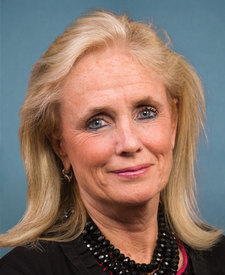
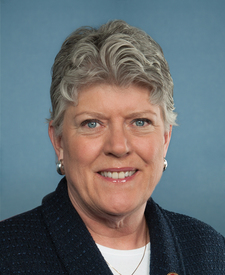
Mrs. Dingell (for herself and Ms. Brownley) introduced the following …

Stakeholder Effects

cui bono?

How this legislation distributes effects. Mention counts reflect frequency, not effect magnitude.

Education
12 mentions across 6 clauses
+9 positive -2 negative ?1 uncertain

Climate education grant applicants, Climate education grant recipients, Climate education learners

Climate education grant recipients faces effects in multiple directions

Positive-direction: Climate education learners, Climate education policy proponents, Climate educators, Institutions of higher education, K-12 students, Local educational agencies

Negative-direction: Climate education grant applicants

Federal Administration
7 mentions across 5 clauses
+3 positive -4 negative

Congress, NOAA Administrator, NOAA Office of Education

National Oceanic and Atmospheric Administration faces effects in multiple directions

Positive-direction: Congress

Negative-direction: NOAA Administrator, NOAA Office of Education

Advocacy Groups
2 mentions across 2 clauses
+2 positive

Environmental justice communities

State & Local Government
2 mentions across 2 clauses
+2 positive

State educational agencies

Professional Associations
2 mentions across 1 clause
+2 positive

Academic disciplinary societies, Professional associations

Renewable Energy
1 mention across 1 clause
+1 positive

Green economy workforce trainees

Nonprofits
1 mention across 1 clause
+1 positive

Local nonprofit organizations

Youth Development
1 mention across 1 clause
+1 positive

Youth corps organizations

6/7
sections analyzed
Full impact breakdown

Bill Structure & Actor Mappings

Who is "The Secretary" in each section?

Domains
Education Climate Government Operations
Actor Mappings
"noaa"
→ National Oceanic and Atmospheric Administration
"learners"
→ Climate education learners
"educators"
→ Climate educators
"administrator"
→ NOAA Administrator
Domains
Education Environmental Justice Workforce Development
Actor Mappings
"higher_ed"
→ Institutions of higher education
"youth_corps"
→ Youth corps organizations
"local_agencies"
→ Local educational agencies
"state_agencies"
→ State educational agencies
"professional_groups"
→ Professional associations
Domains
Government Operations Education
Actor Mappings
"noaa"
→ National Oceanic and Atmospheric Administration
"congress"
→ Congress
"taxpayers"
→ Federal taxpayers

Key Definitions

Terms defined in this bill

3 terms
"green economy" §green_economy

An economy improving human and economic well-being and social equity by significantly reducing environmental risks and ecological scarcities.

"climate change education" §climate_change_education

Formal and nonformal interdisciplinary learning at all age levels about climate change, adaptation, mitigation, resilience, climate justice, and effects on environmental, energy, social, and economic systems.

"environmental justice community" §environmental_justice_community

A community with significant representation of communities of color, low-income communities, or Tribal and indigenous communities that experiences, or is at risk of experiencing, higher or more adverse human health or environmental effects.

We use a combination of our own taxonomy and classification in addition to large language models to assess meaning and potential beneficiaries. High confidence means strong textual evidence. Always verify with the original bill text.

Learn more about our methodology