Protecting American Competition Act of 2026
Summary
What This Bill Does
The Protecting American Competition Act of 2026 adds an initial license review requirement to the Export Control Reform Act. When reviewing a license or other authorization for the export, reexport, or in-country transfer of controlled items, the Under Secretary for Industry and Security must consider whether the requested authorization would be the initial license for that item to the ultimate consignee or end user. After issuing an initial license for an item, the Under Secretary should try to administer later applications by other applicants in a timely manner when they involve the same or a similar item to the same consignee or end user. Within one year and annually thereafter, the Under Secretary must report to Congress on the number of initial licenses granted where other applications existed, details and outcomes of the related applications, and reasons for creating an initial license when other applicants sought the same or similar authorization. The bill states that it does not require delayed decisions or decisions contrary to U.S. national-security or foreign-policy interests.
Who Benefits and How
U.S. exporters competing for comparable sales benefit from attention to whether one applicant receives the first license for a particular item and end user. Export license applicants benefit from reporting that may reveal whether comparable applications are handled consistently. BIS licensing staff benefit from a clearer statutory factor for initial-license review. Congressional export-control committees benefit from annual reports on initial licenses and related application outcomes. Domestic manufacturers benefit if license timing does not unfairly advantage one exporter over competitors. Trade compliance counsel benefit from clearer expectations after an initial license is granted.
Who Bears the Burden and How
The Under Secretary for Industry and Security must consider initial-license status, track comparable later applications, and prepare annual reports. BIS licensing officers must identify same or similar items, consignees, and end users across applications. Exporters receiving initial licenses may face more scrutiny of the reasons for their approval. Export applicants seeking sensitive transactions still face national-security and foreign-policy limits. Congressional report preparers must collect detailed application and outcome data. Ultimate consignees and end users may be examined across multiple applicants' license requests.
Key Provisions
- Requires BIS to consider whether an export authorization would be the initial license for an item to an ultimate consignee or end user.
- Directs timely administration of later applications for the same or similar items to the same consignee or end user.
- Requires annual congressional reports on initial licenses, related applications, outcomes, and reasons for granting the initial license.
- Preserves discretion to avoid delaying decisions or approving licenses contrary to national-security or foreign-policy interests.
Evidence Chain:
This summary is generated from the full bill text using AI analysis. Expand "Detailed Analysis" below for identified beneficiaries/burden bearers with clause-level evidence links.
At a Glance
What This Bill Does
Requires the Under Secretary for Industry and Security, when reviewing export, reexport, or in-country transfer license applications, to consider whether the requested authorization would be the first such license for that item to that ultimate consignee or end user, attempt timely administration of later comparable applications after an initial license is issued, and report annually to Congress on initial licenses, related applications, outcomes, and reasons for granting an initial license, while preserving national-security and foreign-policy discretion.
Key Policy Areas
Export Controls, Licensing, Trade Compliance, Competition
Primary Purpose
Requires the Under Secretary for Industry and Security, when reviewing export, reexport, or in-country transfer license applications, to consider whether the requested authorization would be the first such license for that item to that ultimate consignee or end user, attempt timely administration of later comparable applications after an initial license is issued, and report annually to Congress on initial licenses, related applications, outcomes, and reasons for granting an initial license, while preserving national-security and foreign-policy discretion.
Policy Domains
House resolution provisions
Identified Gains
- U.S. exporters competing for comparable sales
- Export license applicants
- BIS licensing staff
- Congressional export control committees
- Domestic manufacturers
- Trade compliance counsel
Identified Costs
- Under Secretary for Industry and Security
- BIS licensing officers
- Exporters receiving initial licenses
- Sensitive transaction applicants
- Congressional report preparers
- Ultimate consignees under review
Sponsors


Legislative Progress
ReportedOrdered to be Reported by the Yeas and Nays: 44 …
Committee Consideration and Mark-up Session Held
Referred to the House Committee on Foreign Affairs.
Introduced in House
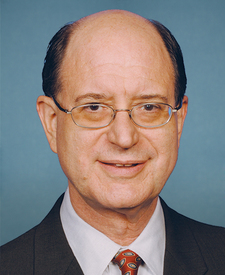
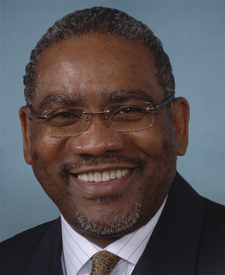
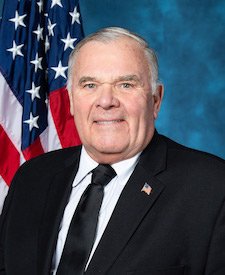
Mr. Issa (for himself, Mr. Meeks, and Mr. McCormick) introduced …
Stakeholder Effects
cui bono?How this legislation distributes effects. Mention counts reflect frequency, not effect magnitude.
Export license applicants, U.S. exporters competing for comparable sales
BIS licensing officers, Congressional export control committees
Positive-direction: Congressional export control committees
Negative-direction: BIS licensing officers
Bill Structure & Actor Mappings
Who is "The Secretary" in each section?
- "bis"
- → Under Secretary of Commerce for Industry and Security
- "committees"
- → Congressional export control committees
We use a combination of our own taxonomy and classification in addition to large language models to assess meaning and potential beneficiaries. High confidence means strong textual evidence. Always verify with the original bill text.
Learn more about our methodology