Elder Justice Reauthorization and Modernization Act of 2026
Analysis under review: This bill has generated analysis that may be too generic or incomplete. Clause-level evidence remains available below.
Summary
What This Bill Does
This bill, Elder Justice Reauthorization and Modernization Act of 2026, changes federal law or congressional policy affecting health care providers and patients. The main policy domain is Healthcare, Labor, Government Operations.
Who Benefits and How
health care providers and patients may benefit from new authority, funding, eligibility, regulatory clarity, or reduced risk created by the bill.
Who Bears the Burden and How
federal implementing agencies, health care providers and patients may take on implementation duties, reporting obligations, compliance costs, or oversight responsibilities.
Key Provisions
- Section H7DF5FD5F5E254559A31F8AD3A3A0B682: 1. Short title This Act may be cited as the Elder Justice Reauthorization and Modernization Act of 2026.
- Section HC4C98A2030764C21A9CDAD7E4250AE4D: 2. Reauthorization of funding for programs to prevent and investigate elder abuse, neglect, and exploitation Section 2041 of the Social Security Act (42 U.S.C....
- Section H9D13068A0BE848FA9D598CBEEDB5B7B4: 2041. Nursing home worker training grants Each State shall be entitled to receive from the Secretary for each fiscal year specified in subsection (e)(1) a...
- Section H7CA8486587CF49FFBB2B23594A91563F: 2047. Incentives for developing and sustaining structural competency in providing health and human services Within 2 years after the date of the enactment of...
- Section H37AB81DD7851401D908C8A6E4BADADB6: 3. Assessment reports Not later than 2 years after the date of enactment of this Act, and not less frequently than once every 2 years thereafter, the Secretary...
Evidence Chain:
This summary is generated from the full bill text using AI analysis. Expand "Detailed Analysis" below for identified beneficiaries/burden bearers with clause-level evidence links.
At a Glance
What This Bill Does
This bill, Elder Justice Reauthorization and Modernization Act of 2026, changes federal law or congressional policy affecting health care providers and patients.
Key Policy Areas
Healthcare, Labor, Government Operations
Primary Purpose
This bill, Elder Justice Reauthorization and Modernization Act of 2026, changes federal law or congressional policy affecting health care providers and patients.
Policy Domains
Whole bill
Identified Gains
- health care providers and patients
Identified Costs
- federal implementing agencies
- health care providers and patients
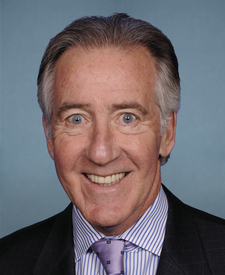
Sponsors


Legislative Progress
In CommitteeReferred to the Committee on Ways and Means, and in …
Introduced in House
Mr. Neal (for himself and Ms. Bonamici) introduced the following …
Impact analysis is available but no clear stakeholder effects identified. View clause-level analysis →
Bill Structure & Actor Mappings
Who is "The Secretary" in each section?
- "secretary_of_health_and_human_services"
- → Secretary of Health and Human Services
Key Definitions
Terms defined in this bill
an individual who— is a qualified home health aide, as defined in section 484.80(a) of title 42, Code of Federal Regulations
an individual who— is a qualified home health aide, as defined in section 484.80(a) of title 42, Code of Federal Regulations
We use a combination of our own taxonomy and classification in addition to large language models to assess meaning and potential beneficiaries. High confidence means strong textual evidence. Always verify with the original bill text.
Learn more about our methodology