Fair Wages for Home Care Workers Act
Summary
What This Bill Does
The Fair Wages for Home Care Workers Act narrows the Fair Labor Standards Act domestic-service exemption to casual babysitting and repeals the separate overtime exemption referenced in section 13(b)(21). Professional nurses, home health aides, personal care aides, and other trained personnel are expressly outside the new babysitting definition.
Babysitting means custodial care and protection of infants or children in or around the children's private home. To qualify as casual, the work must be irregular or intermittent under Labor Department rules and cannot be performed by someone whose vocation is babysitting.
An exempt casual babysitter may perform household work unrelated to childcare only when that work takes no more than 20 percent of the total hours worked while babysitting. The Labor Secretary retains authority to define irregular or intermittent employment.
The amendments extend ordinary federal minimum-wage and overtime protections to workers who no longer fit an exemption. The bill does not eliminate the exemption for genuinely casual babysitting and does not set a special wage above the otherwise applicable FLSA rate.
Who Benefits and How
Home health aides, personal care aides, professional caregivers, and trained nurses gain federal minimum-wage and overtime coverage where the former exemptions applied. Career babysitters who do not meet the casual test also gain wage protections. Workers performing substantial non-childcare household work can no longer remain exempt under the 20-percent rule. Compliant home-care employers may face fairer competition.
Who Bears the Burden and How
Home-care agencies and households employing formerly exempt caregivers must track hours and pay applicable minimum wages and overtime. Medicaid-funded and state-funded home-care programs may need higher reimbursement or service budgets. Families purchasing care may face higher prices or fewer available hours. Employers must distinguish casual babysitting from vocational childcare and track unrelated housework. Labor Department enforcement and rulemaking staff must implement the definitions.
Key Provisions
- Repeals the broader domestic companionship minimum-wage exemption.
- Repeals the referenced domestic-service overtime exemption.
- Limits the remaining exemption to casual babysitting.
- Excludes trained nurses and home-care workers from babysitting.
- Defines casual work as irregular, intermittent, and nonvocational.
- Limits unrelated household work to 20 percent of hours.
- Extends ordinary FLSA wage protection to newly covered workers.
- Preserves the exemption for qualifying casual babysitters.
Evidence Chain:
This summary is generated from the full bill text using AI analysis. Expand "Detailed Analysis" below for identified beneficiaries/burden bearers with clause-level evidence links.
At a Glance
What This Bill Does
Removes the Fair Labor Standards Act minimum-wage and overtime exemptions for professional home-care and companionship workers, retains only a narrowed exemption for irregular nonprofessional babysitting, defines covered babysitting, and limits unrelated household work during exempt babysitting to 20 percent of hours.
Key Policy Areas
Home Care Wages, Fair Labor Standards Act, Domestic Service Employment, Overtime Pay, Casual Babysitting
Primary Purpose
Removes the Fair Labor Standards Act minimum-wage and overtime exemptions for professional home-care and companionship workers, retains only a narrowed exemption for irregular nonprofessional babysitting, defines covered babysitting, and limits unrelated household work during exempt babysitting to 20 percent of hours.
Policy Domains
Section 2 minimum-wage and overtime coverage for caregivers
Identified Gains
- Home health aides gaining minimum-wage coverage
- Personal care aides gaining overtime coverage
- Professional caregivers losing exempt status
- Trained nurses performing domestic care
- Career babysitters receiving wage protection
- Compliant agencies competing on equal wage rules
Identified Costs
- Home-care agencies paying added overtime
- Households employing professional caregivers
- Medicaid home-care reimbursement programs
- State-funded personal-care programs
- Families purchasing extended care hours
- Employers tracking household-work percentages
- Labor Department wage-enforcement staff
Sponsors
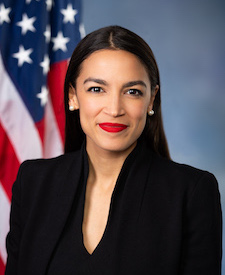

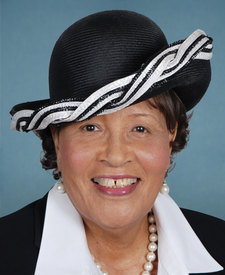
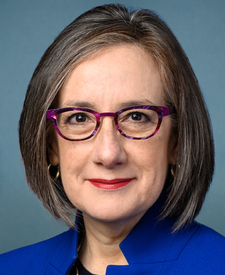
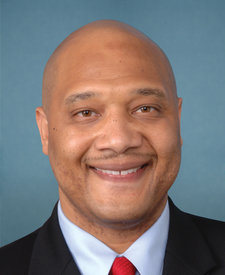
Legislative Progress
In CommitteeReferred to the House Committee on Education and Workforce.
Introduced in House
Ms. Ocasio-Cortez (for herself, Ms. Tlaib, Mrs. Watson Coleman, Mr. …
Stakeholder Effects
cui bono?How this legislation distributes effects. Mention counts reflect frequency, not effect magnitude.
Compliant agencies competing on equal wage rules, Employers tracking household-work percentages, Home health aides gaining minimum-wage coverage
Positive-direction: Compliant agencies competing on equal wage rules, Home health aides gaining minimum-wage coverage, Personal care aides gaining overtime coverage, Professional caregivers losing exempt status
Negative-direction: Employers tracking household-work percentages, Home-care agencies paying added overtime
Families purchasing extended care hours, Households employing professional caregivers
Medicaid home-care reimbursement programs, State-funded personal-care programs
Bill Structure & Actor Mappings
Who is "The Secretary" in each section?
- "administrator"
- → Secretary of Labor
- "exempt_worker"
- → Individual providing casual babysitting
- "covered_worker"
- → Professional home-care worker
- "agency_employer"
- → Home-care agency
- "household_employer"
- → Household purchasing caregiver services
Note: {'scope_ids': ['home_care_flsa_coverage'], 'description': 'The bill removes caregiver exemptions but preserves a narrow casual-babysitting exemption; it applies ordinary FLSA wage rules rather than setting a special home-care wage and leaves Labor to define irregular or intermittent work.'}
Key Definitions
Terms defined in this bill
Irregular or intermittent babysitting not performed by someone whose vocation is babysitting.
Custodial infant or child care in the child's private home, excluding work by trained nurses and home-care workers.
Unrelated household work may occupy no more than 20 percent of total hours worked during otherwise exempt babysitting.
We use a combination of our own taxonomy and classification in addition to large language models to assess meaning and potential beneficiaries. High confidence means strong textual evidence. Always verify with the original bill text.
Learn more about our methodology