CODIS Access Modernization Act
Analysis under review: This bill has generated analysis that may be too generic or incomplete. Clause-level evidence remains available below.
Summary
What This Bill Does
This bill, CODIS Access Modernization Act, changes federal law or congressional policy affecting law enforcement, courts, victims, and regulated public-safety actors. The main policy domain is Criminal Justice, Government Operations, Defense.
Who Benefits and How
law enforcement, courts, victims, and regulated public-safety actors may benefit from new authority, funding, eligibility, regulatory clarity, or reduced risk created by the bill.
Who Bears the Burden and How
federal implementing agencies, law enforcement, courts, victims, and regulated public-safety actors may take on implementation duties, reporting obligations, compliance costs, or oversight responsibilities.
Key Provisions
- Section H5424B29D088A40A3A6F58B94725B7F00: 1. Short title This Act may be cited as the CODIS Access Modernization Act.
- Section HBC0AC87CB55545BCBCC676831E64BF0B: 2. Findings Congress finds the following: Congress recognizes the essential role that publicly operated forensic laboratories and their dedicated scientific...
- Section H1E9CC5459EBC4F39B075DE9247EDD62D: 3. Direct access for eligible private forensic dna laboratories to the national dna index system The Attorney General shall allow eligible privately owned and...
- Section HF4E8A1155E564ADABA4DB7440C44C307: 4. Conforming amendments The Attorney General, in consultation with the Director of the Federal Bureau of Investigation, shall make such conforming amendments...
- Section HAE82980ADF39421FBFE56638696400B7: 5. Effective date This Act shall take effect on the date of its enactment, except that the requirement to issue regulations under section 3(b) shall apply as...
Evidence Chain:
This summary is generated from the full bill text using AI analysis. Expand "Detailed Analysis" below for identified beneficiaries/burden bearers with clause-level evidence links.
At a Glance
What This Bill Does
This bill, CODIS Access Modernization Act, changes federal law or congressional policy affecting law enforcement, courts, victims, and regulated public-safety actors.
Key Policy Areas
Criminal Justice, Government Operations, Defense
Primary Purpose
This bill, CODIS Access Modernization Act, changes federal law or congressional policy affecting law enforcement, courts, victims, and regulated public-safety actors.
Policy Domains
Whole bill
Identified Gains
- law enforcement, courts, victims, and regulated public-safety actors
Identified Costs
- federal implementing agencies
- law enforcement, courts, victims, and regulated public-safety actors
Sponsors
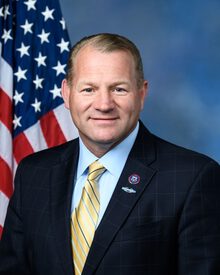
Legislative Progress
In CommitteeReferred to the House Committee on the Judiciary.
Introduced in House
Mr. Nehls introduced the following bill; which was referred to …
Impact analysis is available but no clear stakeholder effects identified. View clause-level analysis →
Bill Structure & Actor Mappings
Who is "The Secretary" in each section?
- "federal_implementing_agencies"
- → Federal agencies assigned duties by the bill
Key Definitions
Terms defined in this bill
a private DNA forensic evidence testing laboratory that— has been accredited for a minimum of five consecutive years to the ISO/IEC 17025 standards by a nationally recognized nonprofit professional association of persons actively involved in forensic science
We use a combination of our own taxonomy and classification in addition to large language models to assess meaning and potential beneficiaries. High confidence means strong textual evidence. Always verify with the original bill text.
Learn more about our methodology