To require the Administrator of the Small Business Administration to issue rules for cancelled covered solicitations, to amend the Small Business Act to provide assistance to small business concerns relating to certain cancelled solicitations, and for other purposes.
Summary
What This Bill Does
The Transparency and Predictability in Small Business Opportunities Act targets federal procurement solicitations for which at least two small business concerns were eligible to submit bids. Within 180 days, the SBA Administrator must issue rules requiring public disclosure when a covered solicitation is issued and then cancelled. The disclosure must explain the cancellation justification, any plan and timeframe for reissuing the solicitation, and any plan to move the requirement into another contract or task order. If an agency does not intend to reissue the cancelled solicitation, the rules must establish a referral process so a small business that prepared a bid can be connected to that agency's Director of Small and Disadvantaged Business Utilization for help identifying similar contracting opportunities. The information must be made available through the government-wide procurement entry point. The bill also amends OSDBU duties to require assistance to affected small businesses and states that no additional funds are authorized.
Who Benefits and How
Small business contractors benefit because agencies must explain why a bid opportunity disappeared and whether the work may come back, reducing wasted bid-preparation uncertainty. Small businesses that prepared bids for cancelled solicitations benefit from a referral to OSDBU staff when the agency will not reissue the opportunity, giving them help finding similar federal contracts. Small-business set-aside participants benefit from public information on whether requirements are being folded into other contracts or task orders. Procurement transparency advocates and congressional oversight staff benefit from cancellation information posted at the government-wide procurement portal.
Who Bears the Burden and How
The Small Business Administration must draft and issue the rules within 180 days. Federal procurement offices must prepare cancellation justifications, provide available reissuance or contract-consolidation information, and post that information publicly. OSDBU Directors must assist affected small businesses with identifying similar contracting opportunities when a covered solicitation is cancelled and not reissued. Agency acquisition staff must handle these duties without new authorized funding, increasing administrative pressure on existing procurement resources.
Key Provisions
- Requires SBA rules within 180 days for cancelled covered solicitations open to two or more eligible small businesses.
- Requires agencies to disclose cancellation justifications, reissuance plans and timeframes, and plans to include the work in another contract or task order.
- Requires public posting of cancellation information on the single government-wide procurement entry point.
- Establishes referral procedures to OSDBU Directors when small businesses prepared bids for solicitations that will not be reissued.
- Amends OSDBU duties to help affected small businesses identify similar contracting opportunities.
- Provides that no additional funds are authorized for the new requirements.
Evidence Chain:
This summary is generated from the full bill text using AI analysis. Expand "Detailed Analysis" below for identified beneficiaries/burden bearers with clause-level evidence links.
At a Glance
What This Bill Does
Requires the Small Business Administration to issue rules within 180 days making federal agencies disclose why covered small-business-eligible solicitations were cancelled, whether the work will be reissued or moved into another contract, and how small businesses that prepared bids are referred to OSDBU offices for help finding similar contracting opportunities.
Key Policy Areas
Small Business, Federal Procurement, Government Transparency
Primary Purpose
Requires the Small Business Administration to issue rules within 180 days making federal agencies disclose why covered small-business-eligible solicitations were cancelled, whether the work will be reissued or moved into another contract, and how small businesses that prepared bids are referred to OSDBU offices for help finding similar contracting opportunities.
Policy Domains
Substantive provisions
Identified Gains
- Small business contractors
- Small businesses that prepared bids
- Small-business set-aside participants
- Procurement transparency advocates
- Congressional oversight staff
Identified Costs
- Small Business Administration
- Federal procurement offices
- OSDBU Directors
- Agency acquisition staff
- Federal agencies operating without new funds
Sponsors

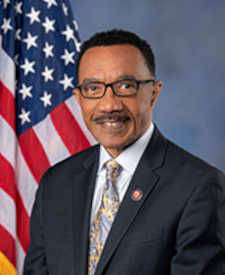

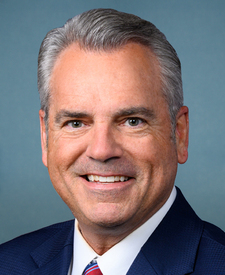
Legislative Progress
Passed HouseReceived; read twice and referred to the Committee on Small …
Passed House (inferred from eh version)
Additional sponsor: Ms. Goodlander
Committed to the Committee of the Whole House on the …
Mr. Latimer (for himself, Mr. Alford, and Mr. Mfume) introduced …
Stakeholder Effects
cui bono?How this legislation distributes effects. Mention counts reflect frequency, not effect magnitude.
Agency acquisition staff, Federal agencies operating without new funds, Federal procurement offices
Positive-direction: Procurement transparency advocates
Negative-direction: Agency acquisition staff, Federal agencies operating without new funds, Federal procurement offices, OSDBU Directors, Small Business Administration
Small business contractors, Small businesses affected by cancelled solicitations, Small businesses that prepared bids
Bill Structure & Actor Mappings
Who is "The Secretary" in each section?
- "osdbu"
- → Director of Small and Disadvantaged Business Utilization
- "administrator"
- → Small Business Administration Administrator
Key Definitions
Terms defined in this bill
A federal procurement solicitation for which two or more small business concerns were eligible to submit a bid.
We use a combination of our own taxonomy and classification in addition to large language models to assess meaning and potential beneficiaries. High confidence means strong textual evidence. Always verify with the original bill text.
Learn more about our methodology