No Free Rides Act of 2026
Summary
What This Bill Does
The No Free Rides Act adds a condition to federal public-transportation assistance. A recipient may not operate a universal fare-free policy under which every user rides the recipient's public transportation without paying a fare.
The restriction does not prevent a targeted free or reduced-fare policy for a defined rider group. The bill specifically lists seniors, low-income riders, students, and employees or organization members whose rides are paid through an agreement with the transit recipient. The examples are introduced as inclusive rather than an exhaustive list.
The Transportation Secretary may waive the universal-policy restriction if the recipient identifies a dedicated source of operating revenue from a nonfederal source. The bill therefore does not create an absolute national ban on fare-free transit. It makes universal fare-free service incompatible with chapter assistance unless the recipient secures a waiver and dedicated local, state, private, or other nonfederal operating support.
Who Benefits and How
Federal transit grant accounts gain protection against paying the operating cost of universal fare-free policies. Fare-paying riders may benefit if preserving fare revenue reduces service cuts or fiscal stress. Fare-collection vendors may gain business where a recipient restores fares. Seniors, low-income riders, students, and riders covered by organization agreements retain access to targeted discounts.
Who Bears the Burden and How
Transit agencies with universal fare-free service must charge fares, forgo covered federal assistance, or identify dedicated nonfederal revenue and obtain a waiver. Riders outside a targeted category may have to pay new fares. State and local governments may face costs if they replace foregone fare revenue. DOT staff must review waiver requests and police the funding condition, while agencies may need to reinstall collection systems and document rider eligibility.
Key Provisions
- Prohibits federally assisted recipients from providing universal fare-free transit.
- Protects targeted free or reduced fares for specified rider groups.
- Authorizes waivers supported by dedicated nonfederal operating revenue.
- Requires recipients seeking a waiver to identify the dedicated revenue source.
- Limits the restriction to recipients of assistance under the transit chapter.
- Preserves organization-paid transit arrangements.
- Provides no automatic waiver for an unfunded universal policy.
- Adds a federal grant-compliance duty for transit recipients.
Evidence Chain:
This summary is generated from the full bill text using AI analysis. Expand "Detailed Analysis" below for identified beneficiaries/burden bearers with clause-level evidence links.
At a Glance
What This Bill Does
Conditions Federal Transit Administration assistance on recipients not operating universal fare-free public transportation, while preserving targeted discounts and allowing a Transportation Secretary waiver when dedicated nonfederal operating revenue supports the universal policy.
Key Policy Areas
Public Transit Fares, Federal Transit Assistance, Local Transit Finance, Targeted Fare Discounts, Transportation Grant Compliance
Primary Purpose
Conditions Federal Transit Administration assistance on recipients not operating universal fare-free public transportation, while preserving targeted discounts and allowing a Transportation Secretary waiver when dedicated nonfederal operating revenue supports the universal policy.
Policy Domains
Section 2 universal fare-free transit funding condition
Identified Gains
- Federal transit grant accounts avoiding universal-fare operating costs
- Fare-paying riders protected from service reductions
- Fare-collection vendors receiving restored demand
- Senior riders retaining targeted discounts
- Low-income riders retaining targeted discounts
- Students retaining targeted discounts
- Organization-sponsored riders retaining paid access
Identified Costs
- Transit agencies operating universal fare-free service
- Riders outside targeted fare categories
- Local governments replacing fare revenue
- State transit funders supplying dedicated revenue
- DOT staff reviewing waiver applications
- Transit staff documenting discount eligibility
- Transit agencies restoring fare-collection systems
Sponsors
Legislative Progress
In CommitteeReferred to the House Committee on Transportation and Infrastructure.
Introduced in House
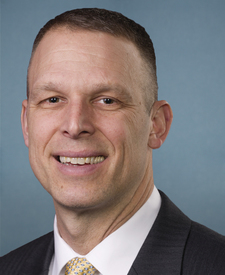
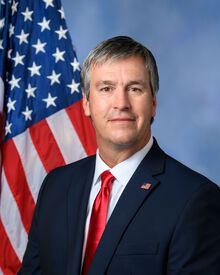
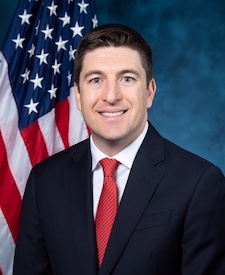
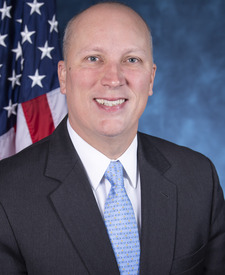
Mr. Perry (for himself, Mr. Moore of Alabama, Mr. Roy, …
Stakeholder Effects
cui bono?How this legislation distributes effects. Mention counts reflect frequency, not effect magnitude.
Fare-paying transit riders, Low-income transit riders, Organization-sponsored transit riders
Positive-direction: Fare-paying transit riders
Negative-direction: Riders outside targeted fare categories, Transit discount administrators, Transit fare-system operators, Universal fare-free transit agencies
DOT waiver-review staff, Federal transit grant accounts
Positive-direction: Federal transit grant accounts
Negative-direction: DOT waiver-review staff
Local governments replacing fare revenue, State transit funders
Bill Structure & Actor Mappings
Who is "The Secretary" in each section?
- "recipient"
- → Recipient of Federal Transit Administration assistance
- "local_funder"
- → Nonfederal entity supplying dedicated operating revenue
- "targeted_rider"
- → Rider eligible for a targeted fare policy
- "waiver_official"
- → Secretary of Transportation
- "restricted_operator"
- → Public transit operator offering universal fare-free service
Note: {'scope_ids': ['federal_transit_fare_condition'], 'description': 'The bill conditions federal transit assistance rather than directly forbidding every local fare-free system; targeted discounts remain permitted, and a universal policy can qualify for a discretionary waiver with dedicated nonfederal operating revenue.'}
Key Definitions
Terms defined in this bill
An identified source outside the federal government committed to operating a universal fare-free policy and supporting a Secretary-issued waiver.
A free or reduced-fare policy limited to a rider group such as seniors, low-income riders, students, or participants in an organization-paid arrangement.
A policy allowing all users of a recipient's public transportation service to ride without paying a fare.
We use a combination of our own taxonomy and classification in addition to large language models to assess meaning and potential beneficiaries. High confidence means strong textual evidence. Always verify with the original bill text.
Learn more about our methodology