To establish the Proprietary Education Interagency Oversight Coordination Committee and facilitate the disclosure and reporting of information regarding complaints and investigations related to proprietary institutions of higher education eligible to receive Federal education assistance.
Analysis under review: This bill has generated analysis that may be too generic or incomplete. Clause-level evidence remains available below.
Summary
What This Bill Does
This bill, To establish the Proprietary Education Interagency Oversight Coordination Committee and facilitate the disclosure and reporting of information regarding complaints and investigations related to proprietary institutions of higher education eligible to receive Federal education assistance., changes federal law or congressional policy affecting federal agencies and legislative administrators. The main policy domain is Government Operations, Finance, Education.
Who Benefits and How
federal agencies and legislative administrators may benefit from new authority, funding, eligibility, regulatory clarity, or reduced risk created by the bill.
Who Bears the Burden and How
federal implementing agencies may take on implementation duties, reporting obligations, compliance costs, or oversight responsibilities.
Key Provisions
- Section HAA0771E2CCD74FDA8A4BC6D303C55518: 1. Short title This Act may be cited as the Proprietary Education Interagency Oversight Coordination Improvement Act.
- Section HB13EB3D927C74999BB2DA148DD277FD7: 2. Definitions In this Act: The term accrediting agency means a private educational association that acts as a reliable authority on the quality of education...
- Section H0F07631ED0E5471F89BFD883E7BFEE54: 3. Establishment of committee There is established a committee to be known as the Proprietary Education Interagency Oversight Coordination Committee (referred...
- Section H9593515C96634C66BEEC74D1A5574740: 4. Meetings and advisory committee The members of the Committee shall meet regularly, but not less than once during each quarter of each fiscal year, to carry...
- Section H67119ABEDAE34E9EBE462BE704A38B69: 5. Collection and tracking of complaints In consultation with the Committee, the Secretary of Education shall establish a single, toll-free telephone number, a...
Evidence Chain:
This summary is generated from the full bill text using AI analysis. Expand "Detailed Analysis" below for identified beneficiaries/burden bearers with clause-level evidence links.
At a Glance
What This Bill Does
This bill, To establish the Proprietary Education Interagency Oversight Coordination Committee and facilitate the disclosure and reporting of information regarding complaints and investigations related to proprietary institutions of higher education eligible to receive Federal education assistance., changes federal law or congressional policy affecting federal agencies and legislative administrators.
Key Policy Areas
Government Operations, Finance, Education
Primary Purpose
This bill, To establish the Proprietary Education Interagency Oversight Coordination Committee and facilitate the disclosure and reporting of information regarding complaints and investigations related to proprietary institutions of higher education eligible to receive Federal education assistance., changes federal law or congressional policy affecting federal agencies and legislative administrators.
Policy Domains
Whole bill
Identified Gains
- federal agencies and legislative administrators
Identified Costs
- federal implementing agencies
Sponsors
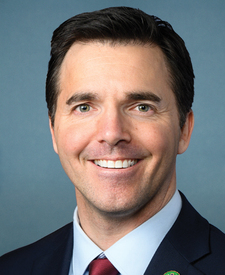
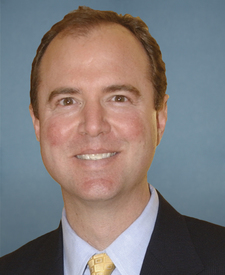
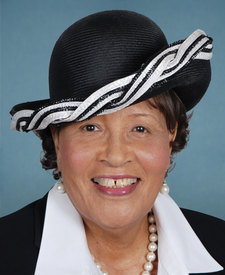
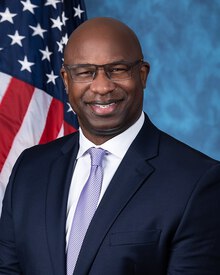
Legislative Progress
IntroducedMr. Jackson of North Carolina (for himself, Ms. Adams, Ms. …
Impact analysis is available but no clear stakeholder effects identified. View clause-level analysis →
Bill Structure & Actor Mappings
Who is "The Secretary" in each section?
- "the_commission"
- → The commission identified in the operative section
- "secretary_of_education"
- → Secretary of Education
Key Definitions
Terms defined in this bill
an organization that is— recognized by the Secretary of Veterans Affairs for the representation of veterans under section 5902 of title 38, United States Code
We use a combination of our own taxonomy and classification in addition to large language models to assess meaning and potential beneficiaries. High confidence means strong textual evidence. Always verify with the original bill text.
Learn more about our methodology