SPONSOR Act
Summary
What This Bill Does
The SPONSOR Act adds a liability rule for a section 501(c)(3) organization that spends funds through a fiscal sponsorship when a donor receives, or is told that the donor is entitled to, a charitable deduction for a contribution to that sponsorship.
The tax-exempt sponsor must bear criminal liability related to or arising from the sponsorship and civil liability concerning a defined covered activity. Covered activity includes knowingly providing substantial assistance to, or conspiring in, specified international terrorism involving a designated foreign terrorist organization. It also includes intentional force, credible threats, or physical obstruction used to injure, intimidate, or interfere with a person exercising a constitutional right, and force, credible threats, or physical blockage intended to stop lawful interstate or intrastate commerce.
A fiscal sponsorship is a relationship in which the charity receives and administers funds for a non-exempt project or organization while retaining discretion and control to ensure charitable use. The sponsor is presumed responsible for legal, regulatory, and tax compliance in the use of sponsored funds.
The sponsor may assert defenses based on due diligence and reasonable oversight. The bill does not eliminate those defenses, make every sponsored-project act a covered civil activity, or apply without the deductible-contribution condition.
Who Benefits and How
People injured or intimidated while exercising constitutional rights gain a better-resourced organization against which covered civil liability may be pursued under otherwise applicable law. Businesses and workers affected by unlawful physical obstruction of commerce gain sponsor accountability. Terrorism victims and federal prosecutors gain a rule assigning responsibility to a sponsor when the stated elements are met. Donors gain stronger incentives for sponsor oversight of project funds.
Who Bears the Burden and How
Charitable fiscal sponsors face criminal exposure, civil damages, a presumption of responsibility, higher diligence costs, and insurance risk for sponsored activity. Sponsor directors, compliance staff, and counsel must investigate projects and monitor funds. Non-exempt projects may face higher fees, delayed sponsorship, or loss of access. Donors may see fewer sponsorship options. Insurers may raise premiums or exclude high-risk projects.
Key Provisions
- Imposes sponsor criminal liability arising from qualifying sponsorships.
- Imposes sponsor civil liability for defined covered activity.
- Defines covered terrorism assistance and conspiracy.
- Covers force or obstruction targeting constitutional-rights exercise.
- Covers force or obstruction intentionally blocking lawful commerce.
- Establishes a presumption of sponsor responsibility.
- Defines fiscal sponsorship by receipt, administration, and control of funds.
- Preserves due-diligence and reasonable-oversight defenses.
Evidence Chain:
This summary is generated from the full bill text using AI analysis. Expand "Detailed Analysis" below for identified beneficiaries/burden bearers with clause-level evidence links.
At a Glance
What This Bill Does
Makes a tax-exempt charitable fiscal sponsor bear criminal liability arising from a sponsored project and civil liability for specified terrorism assistance, force or obstruction against constitutional rights, or force or obstruction of commerce when deductible donations fund the sponsorship, subject to due-diligence and reasonable-oversight defenses.
Key Policy Areas
Tax-Exempt Organizations, Fiscal Sponsorship, Nonprofit Liability, Terrorism Financing, Constitutional Rights Enforcement
Primary Purpose
Makes a tax-exempt charitable fiscal sponsor bear criminal liability arising from a sponsored project and civil liability for specified terrorism assistance, force or obstruction against constitutional rights, or force or obstruction of commerce when deductible donations fund the sponsorship, subject to due-diligence and reasonable-oversight defenses.
Policy Domains
Section 2 liability of tax-exempt fiscal sponsors
Identified Gains
- Constitutional-rights holders harmed by covered conduct
- Businesses affected by unlawful commerce blockades
- Workers affected by unlawful commerce blockades
- Terrorism victims seeking accountable sponsors
- Prosecutors tracing sponsored criminal activity
- Donors expecting lawful fund stewardship
Identified Costs
- Charities serving as fiscal sponsors
- Fiscal-sponsor compliance officers
- Non-exempt projects seeking sponsorship
- Sponsor directors overseeing project funds
- Nonprofit liability insurers
- Donors facing fewer sponsorship options
- Sponsor counsel evaluating covered activities
Legislative Progress
In CommitteeReferred to the House Committee on Ways and Means.
Introduced in House
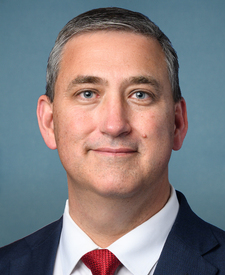
Mr. Moran introduced the following bill; which was referred to …
Stakeholder Effects
cui bono?How this legislation distributes effects. Mention counts reflect frequency, not effect magnitude.
Charities serving as fiscal sponsors, Donors expecting lawful fund stewardship, Donors facing fewer sponsorship options
Positive-direction: Donors expecting lawful fund stewardship
Negative-direction: Charities serving as fiscal sponsors, Donors facing fewer sponsorship options, Fiscal-sponsor compliance officers, Non-exempt projects seeking sponsorship, Sponsor directors overseeing project funds
Constitutional-rights holders harmed by covered conduct
Businesses affected by unlawful commerce blockades
Terrorism victims seeking accountable sponsors
Sponsor counsel evaluating covered activities
Bill Structure & Actor Mappings
Who is "The Secretary" in each section?
- "donor"
- → Donor claiming or offered a charitable deduction
- "rights_holder"
- → Person lawfully exercising a constitutional right
- "commerce_actor"
- → Person moving lawful goods in commerce
- "liable_sponsor"
- → Section 501(c)(3) fiscal sponsor
- "sponsored_project"
- → Non-exempt project receiving sponsored funds
Note: {'scope_ids': ['fiscal_sponsor_liability'], 'description': 'The rule depends on a deductible or represented-as-deductible sponsored contribution, limits civil liability to defined covered activity, and preserves due-diligence and reasonable-oversight defenses despite the presumption of responsibility.'}
Key Definitions
Terms defined in this bill
Specified terrorism assistance or intentional force, credible threats, or physical obstruction affecting constitutional rights or lawful commerce.
A preserved defense based on the sponsor's exercise of due diligence and reasonable oversight.
A charity's receipt and administration of funds for a non-exempt project while retaining discretion and control over charitable use.
We use a combination of our own taxonomy and classification in addition to large language models to assess meaning and potential beneficiaries. High confidence means strong textual evidence. Always verify with the original bill text.
Learn more about our methodology