Stop Sexually Violent Predators Act
Analysis under review: This bill has generated analysis that may be too generic or incomplete. Clause-level evidence remains available below.
Summary
What This Bill Does
The Stop Sexually Violent Predators Act strengthens federal oversight of individuals convicted of sexually dangerous offenses by requiring states to report these individuals to the Attorney General annually. The bill also denies Medicare and Medicaid benefits to people who have been both convicted of a sexually violent offense and determined to be sexually dangerous persons, with a narrow exception for those receiving involuntary inpatient treatment.
Who Benefits and How
The Department of Justice gains new authority to review state lists of convicted sexually dangerous persons for potential federal prosecution, enhancing coordination between state and federal law enforcement. Taxpayers and government healthcare programs (Medicare and Medicaid) benefit from reduced expenditures by excluding convicted sexually violent predators from coverage. Public safety advocates benefit from enhanced monitoring and reporting of dangerous sex offenders.
Who Bears the Burden and How
Individuals convicted of sexually violent offenses and determined to be sexually dangerous lose all Medicare and Medicaid coverage unless they are receiving involuntary inpatient treatment at a hospital or skilled nursing facility. State governments face new compliance burdens in compiling and submitting annual lists of convicted sexually dangerous persons to the Attorney General. Healthcare providers who treat sex offender populations may see reduced revenue as these patients lose insurance coverage. State correctional and mental health systems may face higher costs as individuals without healthcare coverage require emergency or institutional care.
Key Provisions
- States must submit annual lists of individuals convicted of sexually dangerous offenses to the Attorney General for review and potential federal prosecution
- Convicted sexually violent predators determined to be sexually dangerous persons are ineligible for Medicare Part A (hospital insurance) and Part B (supplementary medical insurance)
- Medicaid will not pay for medical assistance provided to these individuals under state plans or waivers
- Exception: Individuals receiving involuntary inpatient treatment at hospitals or skilled nursing facilities can still receive Medicare/Medicaid coverage
- Sex offender registries must include information about relevant court cases involving registered offenders
Evidence Chain:
This summary is generated from the full bill text using AI analysis. Expand "Detailed Analysis" below for identified beneficiaries/burden bearers.
At a Glance
What This Bill Does
Enhance federal oversight of sexually dangerous persons through state reporting requirements and deny federal healthcare benefits to convicted sexually violent predators
Who Benefits
- Department of Justice (enhanced prosecution authority)
- State law enforcement (federal support for prosecution)
- Public safety advocates
Who Bears Costs
- Convicted sexually violent predators (lose Medicare/Medicaid)
- State governments (new reporting requirements)
- Healthcare providers (treating ineligible patients)
Key Policy Areas
Criminal Justice, Healthcare, Public Safety, Sex Offender Registration
Primary Purpose
Enhance federal oversight of sexually dangerous persons through state reporting requirements and deny federal healthcare benefits to convicted sexually violent predators
Policy Domains
Legislative Strategy
"Use healthcare benefit denial as an additional punishment/deterrent for sexually violent predators while enhancing federal-state coordination on prosecution"
Identified Gains
- Department of Justice (enhanced prosecution authority)
- State law enforcement (federal support for prosecution)
- Public safety advocates
Identified Costs
- Convicted sexually violent predators (lose Medicare/Medicaid)
- State governments (new reporting requirements)
- Healthcare providers (treating ineligible patients)
- Medicaid/Medicare programs (implementation costs)
Sponsors
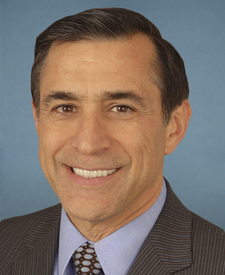
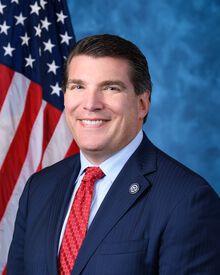
Legislative Progress
In CommitteeMr. Issa (for himself and Mr. Obernolte) introduced the following …
Referred to the Committee on the Judiciary, and in addition …
Introduced in House
Stakeholder Effects
cui bono?How this legislation distributes effects. Mention counts reflect frequency, not effect magnitude.
Healthcare providers serving sex offender population, Medicaid programs (reduced enrollment/payments), Medicare program (reduced enrollment/payments)
Positive-direction: Medicaid programs (reduced enrollment/payments), Medicare program (reduced enrollment/payments)
Negative-direction: Healthcare providers serving sex offender population
State governments (compliance with Adam Walsh Act reporting)
Department of Justice / U.S. Attorneys (federal prosecution review workload)
Convicted sexually violent predators (loss of Medicare/Medicaid)
Bill Structure & Actor Mappings
Who is "The Secretary" in each section?
- "cms"
- → Centers for Medicare & Medicaid Services (implied)
- "states"
- → State governments (for compliance with Adam Walsh Act)
- "the_attorney_general"
- → Attorney General of the United States
Key Definitions
Terms defined in this bill
An individual who has been convicted of a sexually violent offense and has been determined to be a sexually dangerous person (as defined in section 301(e) of the Adam Walsh Child Protection and Safety Act of 2006)
As defined in section 301(e) of the Adam Walsh Child Protection and Safety Act of 2006 (34 U.S.C. 20971(e))
Offenses that trigger state reporting requirements under the Adam Walsh Act
We use a combination of our own taxonomy and classification in addition to large language models to assess meaning and potential beneficiaries. High confidence means strong textual evidence. Always verify with the original bill text.
Learn more about our methodology