HR7734-119

In Committee

Land Grant Research Prioritization Act of 2026

119th Congress Introduced Feb 26, 2026

Summary

What This Bill Does

The Land Grant Research Prioritization Act adds four purposes to an existing federal agricultural research and extension grant framework. The Secretary of Agriculture may support research and extension on mechanized agriculture, including an optional emphasis on harvesting specialty crops, and on artificial intelligence in agriculture, including an optional emphasis on specialty-crop production.

The bill also permits support for land-grant institutions to research or extend methods to manage or eradicate invasive plants and animals, including biological-control methods. A fourth purpose covers land-grant work on aquaculture methods, including propagation and rearing of economically or ecologically valuable aquatic or marine species.

These are eligible purposes, not mandatory set-asides. The Secretary retains grant-selection discretion, and the phrases concerning specialty crops are permissive. The bill does not create a new grant program, appropriate additional money, reserve a percentage for any topic, guarantee an award to a land-grant institution, or require USDA to rank these purposes above all existing eligible work.

Who Benefits and How

Land-grant universities, agricultural engineers, artificial-intelligence researchers, specialty-crop growers, invasive-species programs, aquaculture researchers, and technology vendors become better positioned to seek existing grant funds for the listed work. Farmers and resource managers may benefit from successful tools or methods.

Who Bears the Burden and How

Applicants in existing research categories may face more competition in a fixed funding pool. USDA must update notices, review criteria, and expertise for the added purposes. Land-grant applicants still bear proposal and compliance costs, and none of the named communities is guaranteed funding or a successful research result.

Key Provisions

  • Adds mechanized agriculture as an eligible grant purpose.
  • Allows emphasis on specialty-crop harvesting.
  • Adds agricultural artificial intelligence as an eligible purpose.
  • Allows emphasis on specialty-crop production.
  • Adds land-grant invasive-species research and extension.
  • Includes biological-control methods.
  • Adds land-grant aquaculture research and extension.
  • Includes valuable aquatic and marine species.
  • Preserves Agriculture Secretary grant discretion.
  • Provides no new appropriation or mandatory set-aside.

Evidence Chain:

This summary is generated from the full bill text using AI analysis. Expand "Detailed Analysis" below for identified beneficiaries/burden bearers with clause-level evidence links.

At a Glance

What This Bill Does

Adds mechanized agriculture, agricultural artificial intelligence, invasive-species management, and aquaculture methods as permissible priorities for existing agricultural research and extension grants, including optional emphasis on specialty crops and land-grant institutions.

Key Policy Areas

Agricultural Research Grants, Land-Grant Universities, Agricultural Automation, Invasive Species, Aquaculture

Primary Purpose

Adds mechanized agriculture, agricultural artificial intelligence, invasive-species management, and aquaculture methods as permissible priorities for existing agricultural research and extension grants, including optional emphasis on specialty crops and land-grant institutions.

Policy Domains

Agricultural Research Grants Land-Grant Universities Agricultural Automation Invasive Species Aquaculture

Section 2 added agricultural research and extension grant purposes

Identified Gains
  • Land-grant university research programs
  • Agricultural mechanization researchers
  • Agricultural artificial-intelligence developers
  • Specialty-crop growers
  • Invasive-species management programs
  • Aquaculture researchers
  • Farm automation vendors
  • Aquaculture producers
Model: codex-gpt-5 | Version: bill_summary_v2 | Source: ih
Aquaculture producers:
Specialty-crop growers:
Aquaculture researchers:
Farm automation vendors:
Invasive-species management programs:
Agricultural mechanization researchers:
Land-grant university research programs:
Agricultural artificial-intelligence developers:
Identified Costs
  • Existing agricultural grant applicants
  • Research fields competing for fixed funds
  • USDA grant-program staff
  • Peer reviewers evaluating new disciplines
  • Land-grant applicants preparing proposals
Model: codex-gpt-5 | Version: bill_summary_v2 | Source: ih
USDA grant-program staff:
Existing agricultural grant applicants:
Land-grant applicants preparing proposals:
Peer reviewers evaluating new disciplines:
Research fields competing for fixed funds:

Legislative Progress

In Committee
Introduced Committee Passed
Mar 20, 2026

Referred to the Subcommittee on Conservation, Research, and Biotechnology.

Feb 26, 2026

Referred to the House Committee on Agriculture.

Feb 26, 2026

Introduced in House

Feb 26, 2026

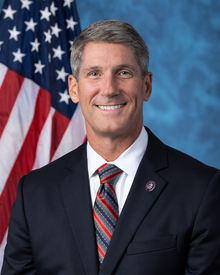
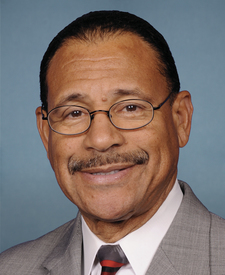
Mr. Scott Franklin of Florida (for himself and Mr. Bishop) …

Stakeholder Effects

cui bono?

How this legislation distributes effects. Mention counts reflect frequency, not effect magnitude.

Research & Science
6 mentions across 2 clauses
+2 positive -3 negative ?1 uncertain

Agricultural grant applicants, Agricultural mechanization researchers, Aquaculture researchers

Positive-direction: Agricultural mechanization researchers, Aquaculture researchers

Negative-direction: Existing agricultural grant applicants, Peer reviewers evaluating new disciplines, Research fields competing for fixed funds

Education
3 mentions across 2 clauses
+1 positive -1 negative ?1 uncertain

Land-grant applicants preparing proposals, Land-grant university research programs

Positive-direction: Land-grant university research programs

Negative-direction: Land-grant applicants preparing proposals

Government
2 mentions across 2 clauses
-1 negative ?1 uncertain

USDA agricultural research officials, USDA grant-program staff

Agriculture
2 mentions across 2 clauses
+1 positive ?1 uncertain

Specialty-crop growers

Technology
1 mention across 1 clause
+1 positive

Agricultural artificial-intelligence developers

Environment
1 mention across 1 clause
+1 positive

Invasive-species management programs

Agricultural Equipment
1 mention across 1 clause
+1 positive

Farm automation vendors

Aquaculture
1 mention across 1 clause
+1 positive

Aquaculture producers

2/2
sections analyzed
Full impact breakdown

Bill Structure & Actor Mappings

Who is "The Secretary" in each section?

Domains
Agricultural Research Grants Land-Grant Universities Agricultural Automation Invasive Species Aquaculture
Actor Mappings
"producer"
→ Agricultural or aquaculture producer using research results
"secretary"
→ Agriculture Secretary administering existing grants
"competitor"
→ Existing grant applicant competing in the funding pool
"researcher"
→ Applicant studying a newly listed purpose
"institution"
→ Land-grant institution applying for research support

Note: {'scope_ids': ['agricultural_research_priorities'], 'description': 'The four additions are permissive eligible purposes within an existing grant framework; they create no appropriation, required emphasis, funding floor, award entitlement, or guaranteed shift in USDA selection.'}

Key Definitions

Terms defined in this bill

3 terms
"aquaculture methods" §aquaculture_methods

Land-grant research or extension on propagation and rearing of economically or ecologically valuable aquatic or marine species.

"invasive-species management" §invasive_species_work

Land-grant research or extension on management or eradication of invasive plants or animals, including biological control.

"mechanized agriculture research" §mechanized_agriculture

Research or extension on agricultural mechanization, optionally emphasizing specialty-crop harvesting.

We use a combination of our own taxonomy and classification in addition to large language models to assess meaning and potential beneficiaries. High confidence means strong textual evidence. Always verify with the original bill text.

Learn more about our methodology