HR7715-119

In Committee

Justice for Allie Act

119th Congress Introduced Feb 25, 2026

Summary

What This Bill Does

The Justice for Allie Act creates a new federal crime in title 18. A person violates it by using the mail or an interstate or foreign commerce facility, knowingly persuading, inducing, enticing, or coercing a protected adult to send or transmit an intimate visual depiction, and acting with intent to harm that adult. Attempted conduct is also covered.

A first offense can produce a fine, imprisonment for up to one year, or both. A second or later offense can produce a fine, imprisonment for up to two years, or both. The bill defines harm broadly to include physical, psychological, financial, or reputational harm.

A protected adult must be at least 18 and unable to protect themselves from abuse, neglect, or exploitation at the time of the offense because of one or more listed conditions. Those conditions include autism spectrum disorder, intellectual developmental disorder or disability, cerebral palsy, Down syndrome, major neurocognitive disorder, dementia or Alzheimer's disease, schizophrenia, or another psychotic disorder. Diagnostic definitions track the then-current DSM or the HHS-adopted ICD.

The offense requires knowledge, prohibited influence, an intimate depiction, intent to harm, protected status, and a commerce nexus. It does not criminalize every consensual intimate image exchange involving a disabled adult, require actual completed harm, create a civil claim, or cover an unlisted vulnerability without one of the statutory diagnoses.

Who Benefits and How

Vulnerable adults gain a specific federal protection against manipulative intimate-image exploitation. Families and disability advocates gain a referral path. Federal investigators and prosecutors gain a tailored offense that covers attempts and several forms of harm.

Who Bears the Burden and How

Offenders face fines and incarceration, with a higher repeat-offense ceiling. Investigators, prosecutors, courts, and defense counsel must litigate knowledge, intent, capacity, diagnosis, and the commerce nexus. Clinical experts may need to assess whether a person could protect themselves at the time, and protected adults may face privacy or stigma when medical conditions and intimate evidence enter court records.

Key Provisions

  • Creates a federal protected-adult exploitation offense.
  • Prohibits inducement or coercion of intimate-image transmission.
  • Covers attempted as well as completed conduct.
  • Requires intent to cause physical, psychological, financial, or reputational harm.
  • Authorizes up to one year for a first offense.
  • Authorizes up to two years for a repeat offense.
  • Defines protected adult through age, vulnerability, and listed diagnoses.
  • Uses current diagnostic manuals at the time of the offense.
  • Preserves required knowledge, intent, and commerce elements.

Evidence Chain:

This summary is generated from the full bill text using AI analysis. Expand "Detailed Analysis" below for identified beneficiaries/burden bearers with clause-level evidence links.

At a Glance

What This Bill Does

Creates a federal offense for knowingly persuading, inducing, enticing, or coercing a vulnerable protected adult through interstate or foreign commerce to transmit an intimate visual depiction with intent to harm, including attempts and enhanced repeat-offense penalties.

Key Policy Areas

Sexual Exploitation, Disability Protection, Federal Criminal Law, Intimate Image Abuse, Interstate Communications

Primary Purpose

Creates a federal offense for knowingly persuading, inducing, enticing, or coercing a vulnerable protected adult through interstate or foreign commerce to transmit an intimate visual depiction with intent to harm, including attempts and enhanced repeat-offense penalties.

Policy Domains

Sexual Exploitation Disability Protection Federal Criminal Law Intimate Image Abuse Interstate Communications

Section 2 federal offense, penalties, and protected-adult definitions

Identified Gains
  • Adults with autism vulnerable to exploitation
  • Adults with intellectual disabilities
  • Adults with dementia or Alzheimer's disease
  • Adults with serious psychotic disorders
  • Families of protected adults
  • Federal prosecutors handling exploitation cases
  • Disability-rights advocacy organizations
Model: codex-gpt-5 | Version: bill_summary_v2 | Source: ih
Families of protected adults: ,
Adults with intellectual disabilities: ,
Adults with serious psychotic disorders: ,
Disability-rights advocacy organizations: ,
Adults with dementia or Alzheimer's disease: ,
Adults with autism vulnerable to exploitation: ,
Federal prosecutors handling exploitation cases: ,
Identified Costs
  • People inducing harmful intimate depictions
  • Repeat offenders facing enhanced imprisonment
  • Federal investigators proving protected status
  • Federal courts hearing exploitation cases
  • Federal public defenders
  • Clinical experts evaluating vulnerability
  • Protected adults disclosing medical evidence
Model: codex-gpt-5 | Version: bill_summary_v2 | Source: ih
Federal public defenders: ,
Clinical experts evaluating vulnerability: ,
Federal courts hearing exploitation cases: ,
People inducing harmful intimate depictions: ,
Protected adults disclosing medical evidence: ,
Repeat offenders facing enhanced imprisonment: ,
Federal investigators proving protected status: ,

Legislative Progress

In Committee
Introduced Committee Passed
Feb 25, 2026

Referred to the House Committee on the Judiciary.

Feb 25, 2026

Introduced in House

Feb 25, 2026

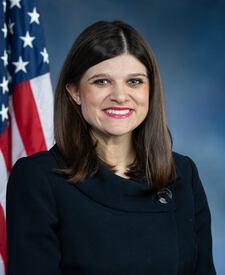
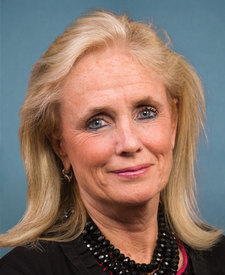
Ms. Stevens (for herself and Mrs. Dingell) introduced the following …

Stakeholder Effects

cui bono?

How this legislation distributes effects. Mention counts reflect frequency, not effect magnitude.

Government
8 mentions across 2 clauses
+2 positive -6 negative

Federal courts hearing exploitation cases, Federal criminal investigators, Federal prosecutors handling exploitation cases

Positive-direction: Federal prosecutors handling exploitation cases

Negative-direction: Federal courts hearing exploitation cases, Federal criminal investigators, Federal public defenders

Disability Services
6 mentions across 2 clauses
+4 positive ~2 mixed

Adults with autism vulnerable to exploitation, Adults with intellectual disabilities, Protected adults whose diagnoses enter evidence

Law Enforcement
4 mentions across 2 clauses
-4 negative

People inducing harmful intimate depictions, Repeat offenders under section 2245A

Elder Care
2 mentions across 2 clauses
+2 positive

Adults with dementia

Mental Health
2 mentions across 2 clauses
+2 positive

Adults with serious psychotic disorders

General Public
2 mentions across 2 clauses
+2 positive

Families of protected adults

Nonprofits
2 mentions across 2 clauses
+2 positive

Disability-rights advocacy organizations

Health Care Providers
2 mentions across 2 clauses
-2 negative

Clinical experts assessing protected status

2/3
sections analyzed
Full impact breakdown

Bill Structure & Actor Mappings

Who is "The Secretary" in each section?

Domains
Sexual Exploitation Disability Protection Federal Criminal Law Intimate Image Abuse Interstate Communications
Actor Mappings
"family"
→ Family member supporting a protected adult
"offender"
→ Person inducing an intimate depiction with intent to harm
"clinician"
→ Clinical expert evaluating a listed condition
"prosecutor"
→ Federal prosecutor enforcing section 2245A
"protected_adult"
→ Adult unable to self-protect because of a listed condition

Note: {'scope_ids': ['protected_adult_intimate_exploitation'], 'description': 'The offense requires a listed condition, contemporaneous inability to self-protect, knowledge, prohibited influence, an intimate depiction, intent to harm, and a commerce nexus; it does not criminalize all consensual exchanges or create a civil cause of action.'}

Key Definitions

Terms defined in this bill

3 terms
"harm" §harm

Physical, psychological, financial, or reputational harm intended by the person inducing the intimate depiction.

"covered exploitation conduct" §covered_conduct

Knowing persuasion, inducement, enticement, or coercion through a commerce facility to transmit an intimate visual depiction with intent to harm, including an attempt.

"protected adult" §protected_adult

An adult at least 18 who cannot protect themselves from abuse, neglect, or exploitation at the time because of a listed diagnosis.

We use a combination of our own taxonomy and classification in addition to large language models to assess meaning and potential beneficiaries. High confidence means strong textual evidence. Always verify with the original bill text.

Learn more about our methodology