Support for Expectant and Parenting Foster Youth Act
Summary
What This Bill Does
The Support for Expectant and Parenting Foster Youth Act changes section 477 of the Social Security Act, the John H. Chafee Foster Care Program for Successful Transition to Adulthood. It adds a Chafee program purpose requiring states to connect foster youth in eligible families to evidence-based home visiting and support services available under the Maternal, Infant, and Early Childhood Home Visiting Program.
The bill also requires state Chafee plan certifications from the state chief executive officer. Each state must have processes to ensure that a participating youth who is in an eligible family receives information about evidence-based home visiting and support services in that state. A separate amendment allows states to use Chafee allotments for tailored case management and resource coordination for youth who are otherwise eligible for Chafee services and are expectant or parenting. The amendments take effect one year after enactment and apply to payments under Chafee plans approved by the Secretary of Health and Human Services on or after that date.
Who Benefits and How
Expectant foster youth benefit because state Chafee programs must connect them with evidence-based home visiting and support services when they are in eligible families. Parenting foster youth benefit from referral information plus tailored case management and resource coordination funded through Chafee allotments. Infants and young children in foster-youth families benefit indirectly from improved access to home visiting support. State child welfare agencies gain express authority to use Chafee funds for case management and coordination targeted to expectant and parenting youth. Maternal, Infant, and Early Childhood Home Visiting programs benefit from clearer referral pathways from foster-care transition services. The Secretary of Health and Human Services receives a clearer plan-approval standard for this population.
Who Bears the Burden and How
State child welfare agencies must build referral processes, certify them in Chafee plans, and coordinate with home visiting programs. State chief executive officers must certify that eligible youth receive information about services. Chafee program case managers must identify expectant and parenting youth, provide information, and coordinate resources. HHS Administration for Children and Families staff must apply the new requirements when reviewing state plans and payments. States may need to adjust data systems, notices, and service-provider workflows before the one-year effective date.
Key Provisions
- Adds a Chafee program purpose connecting eligible foster youth families to Maternal, Infant, and Early Childhood Home Visiting services.
- Requires state plan certification that eligible participating youth receive information about home visiting and support services.
- Authorizes Chafee allotments for tailored case management and resource coordination for expectant or parenting youth.
- Provides a one-year effective date for payments under plans approved by the Secretary of Health and Human Services.
- Directs state child welfare agencies to coordinate foster-care transition services with evidence-based home visiting support.
Evidence Chain:
This summary is generated from the full bill text using AI analysis. Expand "Detailed Analysis" below for identified beneficiaries/burden bearers with clause-level evidence links.
At a Glance
What This Bill Does
Amends the John H. Chafee Foster Care Program so states must connect eligible expectant and parenting foster youth to Maternal, Infant, and Early Childhood Home Visiting services, certify those referral processes in state plans, and may use Chafee allotments for tailored case management and resource coordination for expectant or parenting youth.
Key Policy Areas
Child Welfare, Maternal Health, Social Welfare
Primary Purpose
Amends the John H. Chafee Foster Care Program so states must connect eligible expectant and parenting foster youth to Maternal, Infant, and Early Childhood Home Visiting services, certify those referral processes in state plans, and may use Chafee allotments for tailored case management and resource coordination for expectant or parenting youth.
Policy Domains
Bill provisions
Identified Gains
- Expectant foster youth
- Parenting foster youth
- Infants in foster-youth families
- State child welfare agencies
- Maternal Infant Early Childhood Home Visiting programs
- Secretary of Health and Human Services
Identified Costs
- State child welfare agencies
- State chief executive officers
- Chafee program case managers
- HHS Administration for Children and Families staff
- State data-system administrators
Sponsors
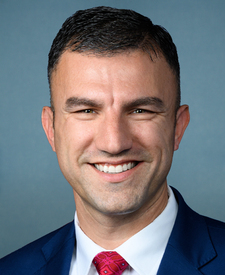
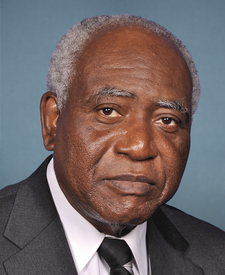

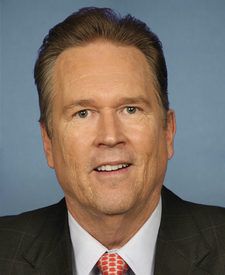
Legislative Progress
ReportedPlaced on the Union Calendar, Calendar No. 558.
Reported (Amended) by the Committee on Ways and Means. H. …
Additional sponsors: Mr. Buchanan and Mr. Schweikert
Reported with an amendment, committed to the Committee of the …
Committee Consideration and Mark-up Session Held
Ordered to be Reported in the Nature of a Substitute …
Referred to the House Committee on Ways and Means.
Mr. Yakym (for himself and Mr. Davis of Illinois) introduced …
Introduced in House
Stakeholder Effects
cui bono?How this legislation distributes effects. Mention counts reflect frequency, not effect magnitude.
Chafee program case managers, Expectant foster youth, Parenting foster youth
Positive-direction: Expectant foster youth, Parenting foster youth
Negative-direction: Chafee program case managers, State child welfare agencies
HHS child welfare program staff, State chief executive officers
Maternal Infant Early Childhood Home Visiting programs
Bill Structure & Actor Mappings
Who is "The Secretary" in each section?
- "secretary"
- → Secretary of Health and Human Services
- "state_ceo"
- → State chief executive officer
We use a combination of our own taxonomy and classification in addition to large language models to assess meaning and potential beneficiaries. High confidence means strong textual evidence. Always verify with the original bill text.
Learn more about our methodology