Shut Down Sanctuary Policies Act of 2026
Summary
What This Bill Does
The Shut Down Sanctuary Policies Act of 2026 rewrites federal immigration-cooperation rules to prevent state or local laws from restricting cooperation with federal immigration enforcement. It amends 8 U.S.C. 1373 so federal, state, and local officials cannot be barred from complying with or enforcing immigration laws, assisting federal immigration officials, asking about immigration or custody status, maintaining that information, notifying the federal government about people encountered by state or local law enforcement, or complying with federal information requests. Contrary state and local laws are superseded. Jurisdictions that restrict those rights or refuse valid DHS detainers lose access for at least one year to INA 241(i) funds, COPS grants, Byrne JAG grants, and substantially related DOJ or DHS law-enforcement, immigration, or naturalization grants; withheld funds are reallocated to compliant governments. DHS can decline custody transfers to noncompliant jurisdictions and cannot transfer people with final removal orders to them. The bill also rewrites ICE detainer authority, requiring DHS detainers when probable cause exists, setting a 48-hour custody-transfer window excluding weekends and holidays with a 96-hour maximum, providing federal-court removal and liability protections for compliant governments or detention contractors, and creating a damages action for certain victims or immediate family when serious crimes follow detainer noncompliance.
Who Benefits and How
The Department of Homeland Security benefits from stronger statutory authority to issue detainers, classify noncompliant jurisdictions, withhold custody transfers, and insist that state and local officials share immigration-status and custody information. ICE enforcement officers benefit from clearer probable-cause categories and custody-transfer windows after a detainer is issued. State police agencies that cooperate with DHS benefit from federal preemption, federal-court removal, U.S. substitution as defendant, and liability protections when they comply with immigration-information rules or detainers. Local jail officials who honor detainers benefit from similar liability protection and the ability to remove related suits to federal court. Crime victims and immediate family members benefit from a private damages action, attorney fees, and expert fees when a serious crime is tied to a jurisdiction's refusal to honor a detainer or comply with federal immigration-cooperation rules. Compliant state and local governments benefit because funds withheld from noncompliant jurisdictions must be reallocated to compliant governments.
Who Bears the Burden and How
State sanctuary jurisdictions bear the heaviest burden because their contrary laws are preempted, they can lose COPS, Byrne JAG, INA 241(i), DOJ, and DHS grants for at least one year, and they can be sued for compensatory damages tied to detainer noncompliance. Local sanctuary governments face the same funding loss, custody-transfer restrictions, preemption, and private damages exposure. The Secretary of Homeland Security must make annual noncompliance determinations, report to congressional judiciary committees, issue requested reports, and decide custody transfers under sole and unreviewable discretion. DOJ grant administrators and DHS grant administrators must identify affected grant programs, block ineligible allocations, and reallocate funds to compliant governments. Detained noncitizens bear increased custody and removal risk because the bill requires detainers when DHS has probable cause and permits temporary detention for transfer to DHS. Detention contractors gain liability protection for compliance but must hold people under detainer terms and may still face mistreatment claims.
Key Provisions
- Preempts state and local laws that restrict immigration-enforcement cooperation, status inquiries, information maintenance, federal notification, or compliance with federal information requests.
- Blocks noncompliant jurisdictions from INA 241(i), COPS, Byrne JAG, and substantially related DOJ or DHS law-enforcement or immigration grants.
- Authorizes DHS to decline custody transfers to noncompliant jurisdictions and bars transfers of people with final removal orders to those jurisdictions.
- Requires annual DHS determinations of noncompliant states and local governments, with reports to congressional judiciary committees.
- Requires DHS detainers when probable cause indicates an arrested person is inadmissible or deportable.
- Provides federal-court removal, liability protections, and U.S. substitution as defendant for compliant detainer custody, subject to a mistreatment exception.
- Creates a private damages action, attorney fees, and expert fees for serious-crime victims or immediate family when detainer noncompliance causes release before the crime.
- Preserves severability so invalid provisions do not defeat the rest of the Act.
Evidence Chain:
This summary is generated from the full bill text using AI analysis. Expand "Detailed Analysis" below for identified beneficiaries/burden bearers with clause-level evidence links.
At a Glance
What This Bill Does
Preempts state and local sanctuary restrictions on immigration-enforcement cooperation, makes noncomplying jurisdictions ineligible for specified DOJ and DHS law-enforcement or immigration grants, gives DHS sole discretion to withhold or refuse custody transfers, rewrites ICE detainer authority and probable-cause standards, provides liability protections for compliant detention, and creates a private damages action for serious-crime victims tied to detainer noncompliance.
Key Policy Areas
Immigration, Criminal Justice, Federal Grants, Government Operations
Primary Purpose
Preempts state and local sanctuary restrictions on immigration-enforcement cooperation, makes noncomplying jurisdictions ineligible for specified DOJ and DHS law-enforcement or immigration grants, gives DHS sole discretion to withhold or refuse custody transfers, rewrites ICE detainer authority and probable-cause standards, provides liability protections for compliant detention, and creates a private damages action for serious-crime victims tied to detainer noncompliance.
Policy Domains
House resolution provisions
Identified Gains
- Department of Homeland Security
- ICE enforcement officers
- State police agencies cooperating with DHS
- Local jail officials honoring detainers
- Crime victims suing sanctuary jurisdictions
- Compliant state governments
- Compliant local governments
Identified Costs
- State sanctuary jurisdictions
- Local sanctuary governments
- Secretary of Homeland Security
- DOJ grant administrators
- DHS grant administrators
- Detained noncitizens
- Detention contractors
Sponsors
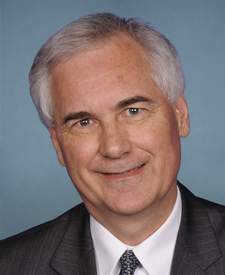
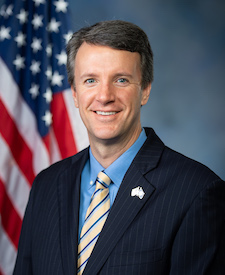

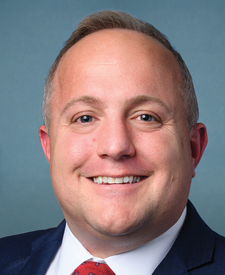
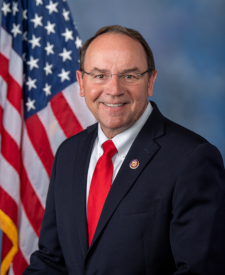
Legislative Progress
ReportedPlaced on the Union Calendar, Calendar No. 465.
Reported (Amended) by the Committee on Judiciary. H. Rept. 119-541.
Additional sponsors: Mr. Cline, Mr. Nehls, Ms. Hageman, Mr. Fry, …
Additional sponsors: Mr. Cline, Mr. Nehls, Ms. Hageman, Mr. Fry, …
Ordered to be Reported (Amended) by the Yeas and Nays: …
Committee Consideration and Mark-up Session Held
Mr. McClintock introduced the following bill; which was referred to …
Referred to the House Committee on the Judiciary.
Introduced in House
Stakeholder Effects
cui bono?How this legislation distributes effects. Mention counts reflect frequency, not effect magnitude.
Compliant local governments, Compliant state governments, DHS grant administrators
Positive-direction: Compliant local governments, Compliant state governments
Negative-direction: DHS grant administrators, DOJ grant administrators, Department of Homeland Security, Local sanctuary governments, State sanctuary jurisdictions
Detention contractors, ICE enforcement officers, Local jail officials honoring detainers
Crime victims suing sanctuary jurisdictions
Bill Structure & Actor Mappings
Who is "The Secretary" in each section?
- "dhs"
- → Department of Homeland Security
- "doj"
- → Department of Justice
- "ice"
- → Immigration and Customs Enforcement detainer operations
- "secretary"
- → Secretary of Homeland Security
We use a combination of our own taxonomy and classification in addition to large language models to assess meaning and potential beneficiaries. High confidence means strong textual evidence. Always verify with the original bill text.
Learn more about our methodology