Head Start for America’s Children Act
Summary
What This Bill Does
The Head Start for America's Children Act substantially expands and rewrites the Head Start Act. It directly appropriates $144.872 billion for fiscal year 2026 and automatically increases that amount each later year by inflation. Separate 2026-2030 appropriations provide $5 billion for facilities, $91.575 million for transportation, $37.5 million for workforce grants, $95 million for a community-eligibility pilot, $500 million for higher-education partnerships, $863 million for extended operation, and $1.625 billion for childcare partnerships.
Eligibility shifts from the Federal poverty line to families below 60 percent of State median income and also reaches families eligible or potentially eligible for public assistance, children completing a prior full year of Head Start, homeless children, children in foster or kinship care, children who experienced abuse or neglect, children eligible for SSI, TANF, SNAP, specified nutrition aid, WIC, or Section 8 housing, children with disabilities, children of current Head Start staff, and other HHS-approved vulnerable groups. Native American and migrant or seasonal programs may enroll additional children under locally tailored selection rules. Eligibility generally continues through kindergarten entry.
Center-based Head Start and Early Head Start programs generally must operate on a full-calendar-year schedule of at least 1,380 hours by September 30, 2027. HHS may grant a needs-based exemption where the schedule would reduce enrollment and fail to match local needs. Native American and migrant or seasonal programs are categorically exempt. Separate grants support full-working-day and summer hours, with priority for underserved, rural, and persistently poor communities and for schedules matching local family work hours.
HHS must maintain at least ten regional offices plus program offices dedicated to Native American and migrant or seasonal Head Start. Regional offices must provide technical assistance, monitor health and safety, address recruitment and retention, propose regions for public comment, and maintain adequate staffing. Funding reservations support career advancement, Native American research, regional offices, slot conversion, extended operation, mental health, disability services, and staff compensation.
Program standards add mental health, disability accommodations, assistive technology, universal design for learning, culturally and linguistically responsive instruction, Native American language and culture outcomes, and stronger identification of children protected by section 504. Programs must coordinate with Medicaid, IDEA services, Bureau-funded schools, full-service community schools, and other early-childhood systems. Facilities seeking assistance must certify ADA title III compliance. Financial assistance must account for serving children with disabilities.
Every generally covered Head Start agency must support child, parent, and staff mental health; screen all children; provide follow-up and referrals; facilitate trained mental-health consultation; train lead teachers; use positive behavioral and trauma-informed supports; and provide safe staff wellness breaks. Native American agencies instead establish culturally and linguistically responsive practices with their communities. Technical assistance must prevent seclusion, mechanical restraint, and chemical restraint and reduce physical restraint. HHS must collect disaggregated discipline data and report annually on suspension, dismissal, abusive behavior, restraint, seclusion, injuries, deaths, staff training, and effective alternatives.
Head Start educational staff must receive at least parity with comparable local elementary educators or an inflation-indexed annual base salary beginning at $60,000 in fiscal year 2026, whichever is higher. Agencies must establish career wage ladders, provide living and competitive pay, align Head Start and Early Head Start compensation, update pay and benefits at least every three years, offer or facilitate health coverage, paid leave, behavioral-health services, childcare, and public-service loan-forgiveness access. Competitive Rebuilding the Head Start Workforce grants support bonuses, staff mental health, training, coaching, rural recruitment, cultural and language capacity, and service expansion.
Research reforms add long-term educational outcomes, family enrollment and retention, workforce turnover, Native American and migrant advisory committees, culturally appropriate research, emergency studies, and annual discipline evaluation. Reports must cover staff wage and benefit comparability, eligibility pathways, partnership barriers, grant recompetition, and the consequences of Administration for Children and Families staffing reductions.
The bill creates a five-year community-eligibility pilot, extendable by up to three years, for no more than ten agencies in high-poverty communities. Participating agencies may enroll every age-eligible child regardless of ordinary eligibility rules and must be evaluated and reported to Congress. It also funds five-year campus Head Start partnerships serving student parents, prioritizing HBCUs, Tribal Colleges and Universities, other minority-serving institutions, high student-parent populations, and Pell-eligible students.
Competitive grants support extended operating hours and contractual partnerships between Head Start agencies and childcare providers. Childcare partners receive financial and professional-development support to reach Head Start standards, blend eligible funds for full-working-day care, and align with home visiting, prekindergarten, IDEA, and childcare-block-grant programs. Participating childcare providers receive a 36-month exemption from designation-renewal requirements. General savings rules protect curriculum autonomy, bar extra eligibility tests, and preserve full-calendar-year exemptions for Native American and migrant or seasonal programs.
Who Benefits and How
Infants, toddlers, preschool children, and families gain more funded slots, broader eligibility, longer hours, transportation, stronger mental-health care, disability accommodations, and coordinated services. Homeless children, foster and kinship families, children with disabilities, families receiving public benefits, rural communities, migrant farmworker families, Native American communities, and Native Hawaiian communities receive targeted access or culturally responsive rules. Head Start staff gain higher wages, benefits, training, mental-health support, and career pathways. Student parents gain campus-based care. Childcare providers, colleges, universities, mental-health consultants, facilities contractors, and transportation vendors gain grant or service opportunities.
Who Bears the Burden and How
Federal taxpayers finance the permanent and targeted appropriations. HHS and the Administration for Children and Families must build regional capacity, administer grants, issue rules, monitor safety and quality, evaluate discipline, and produce recurring reports. Head Start agencies must extend hours, meet wage and benefit floors, screen children, coordinate services, collect data, provide accommodations, and comply with new standards. Childcare partners must reach Head Start performance standards. Facilities must meet accessibility rules, and local programs must sustain culturally, linguistically, developmentally, and disability-responsive services.
Key Provisions
- Appropriates $144.872 billion for 2026 with annual inflation growth.
- Provides more than $8 billion in targeted 2026-2030 project funding.
- Expands eligibility to 60 percent of State median income and categorical groups.
- Preserves tailored Native American and migrant-family enrollment authority.
- Requires most center-based programs to operate at least 1,380 hours annually.
- Maintains ten regional offices and two specialized program offices.
- Requires disability accommodations, assistive technology, and universal design.
- Establishes comprehensive child and staff mental-health requirements.
- Tracks and reports restraint, seclusion, suspension, and other discipline.
- Sets educational staff pay at local parity or at least $60,000 in 2026.
- Establishes workforce recruitment, retention, and training grants.
- Strengthens Native American language, culture, governance, and research.
- Creates a universal community-eligibility pilot in high-poverty areas.
- Funds campus Head Start services for student parents.
- Funds longer hours and Head Start-childcare provider partnerships.
- Protects curriculum autonomy and bars additional eligibility restrictions.
Evidence Chain:
This summary is generated from the full bill text using AI analysis. Expand "Detailed Analysis" below for identified beneficiaries/burden bearers with clause-level evidence links.
At a Glance
What This Bill Does
Transforms Head Start into a much larger, permanently funded early-childhood system by expanding eligibility, extending operating hours, raising staff compensation, strengthening disability and mental-health services, supporting Native American language and governance, and creating targeted pilots and partnerships.
Key Policy Areas
Head Start, Early Childhood Education, Child Development, Disability Services, Child Mental Health, Early Childhood Workforce, Native American Education, Family Support
Primary Purpose
Transforms Head Start into a much larger, permanently funded early-childhood system by expanding eligibility, extending operating hours, raising staff compensation, strengthening disability and mental-health services, supporting Native American language and governance, and creating targeted pilots and partnerships.
Policy Domains
Sections 1 through 30 Head Start funding, eligibility, hours, regional administration, program standards, disability and mental-health services, workforce compensation, research, pilots, partnerships, and savings rules
Identified Gains
- Children in families below 60 percent of State median income
- Children eligible through public-benefit pathways
- Homeless children seeking Head Start access
- Children in foster or kinship care
- Children with disabilities receiving accommodations
- Native American children receiving culturally responsive education
- Migrant farmworker families using flexible eligibility
- Head Start staff receiving compensation protections
- Student parents receiving campus Head Start services
- Childcare providers receiving partnership grants
Identified Costs
- Federal taxpayers financing expanded Head Start
- HHS Head Start administrators
- Administration for Children and Families staff
- Head Start agencies extending operating schedules
- Head Start agencies meeting compensation standards
- Head Start programs collecting discipline data
- Childcare providers reaching Head Start standards
- Facilities certifying accessibility compliance
Sponsors
Legislative Progress
In CommitteeReferred to the House Committee on Education and Workforce.
Introduced in House
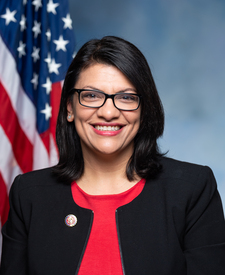
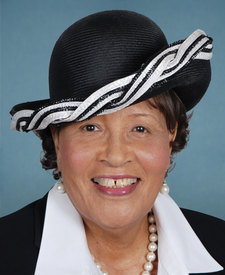
Ms. Tlaib (for herself, Ms. Lee of Pennsylvania, Ms. Adams, …
Stakeholder Effects
cui bono?How this legislation distributes effects. Mention counts reflect frequency, not effect magnitude.
Age-eligible children in pilot areas, Bureau-funded school administrators, Campus early-childhood programs
Bureau-funded school administrators faces effects in multiple directions
Positive-direction: Age-eligible children in pilot areas, Campus early-childhood programs, Children below 60 percent of State median income, Children developing English proficiency, Children in high-poverty pilot communities, Children in rural Head Start programs, Children of student parents, Children protected by regional safety monitoring, Children protected from extra eligibility tests, Children receiving Early Head Start home visits, Children receiving culturally responsive instruction, Children receiving full-calendar-year Head Start, Children receiving full-year center services, Children receiving newly funded Head Start slots, Classroom-furniture suppliers, Early Head Start agencies converting program slots, Early Head Start educational staff, Early Head Start grantees, Existing Head Start operators, Experienced early-childhood service organizations, Head Start agencies providing report data, Head Start agencies receiving compensation funds, Head Start agencies receiving expanded funding, Head Start agencies receiving regional assistance, Head Start agencies retaining curriculum autonomy, Head Start children entering Bureau-funded schools, Head Start children entering community schools, Head Start educational staff, Head Start eligibility administrators, Head Start employees receiving added compensation, Head Start grantees filing annual campus reports, Head Start staff facing recruitment shortages, Head Start staff receiving career training, Head Start staff receiving degree assistance, Head Start staff receiving wellness support, Head Start staff seeking wage-comparability data, Head Start staff supported by permanent funding, Head Start staff working at least 30 hours, Head Start staff working extended hours, Head Start workforce-grant recipients, Higher-education Head Start partners, Historically Black colleges receiving partnership funds, Historically Black colleges seeking campus grants, Infants served by qualified Head Start staff, Institutions coordinating CCAMPIS funds, Local Head Start agencies seeking compliance help, Local Head Start grantees, Minority-serving institutions receiving partnership funds, Minority-serving institutions seeking campus grants, Native American Head Start agencies, Native American Head Start agencies seeking grants, Native American Head Start families advising research, Native American Head Start grant recipients, Native American Head Start programs, Native American agencies choosing modified schedules, Native American children using local selection rules, Native American language educators, Native American language programs, Native American programs retaining schedule flexibility, Native American workforce-grant applicants, Native children receiving language instruction, Native children receiving language services, Native communities eligible for pilot designation, Non-Native agencies competing for Native grants, Pell-eligible student parents, Postsecondary students raising eligible children, Prospective Head Start grantees, Student parents needing campus child care, Tribal Colleges receiving partnership funds, Tribal Colleges seeking campus grants
Negative-direction: Early Head Start home-visiting staff, Full-service community-school coordinators, General Head Start agencies implementing screening, Head Start agencies applying updated definitions, Head Start agencies coordinating Medicaid services, Head Start agencies coordinating services, Head Start agencies extending center hours, Head Start agencies implementing accommodations, Head Start agencies managing staff qualifications, Head Start agencies meeting section 649 duties, Head Start agencies paying compensation floors, Head Start agencies supplying discipline data, Head Start facilities receiving Federal assistance, Head Start transition coordinators
ACF staff affected by staffing reductions, Assistant Secretary for Mental Health, Congressional education committees
Positive-direction: ACF staff affected by staffing reductions, Congressional education committees, HHS agency-designation reviewers, HHS campus-grant administrators, HHS eligibility administrators, HHS pilot administrators, HHS renewal reviewers, HHS reporting staff, Office of Head Start program accounts, Tribal early-childhood administrators
Negative-direction: Assistant Secretary for Mental Health, HHS Head Start administrators, HHS Head Start rulemaking staff, HHS allotment administrators, HHS appropriated-fund administrators, HHS competitive-award reviewers, HHS extended-operation grant staff, HHS facilities-grant reviewers, HHS grant administrators, HHS mental-health oversight staff, HHS officials designing regional boundaries, HHS partnership-grant administrators, HHS performance-standard staff, HHS provider-standard staff, HHS research administrators, HHS schedule-waiver reviewers, HHS technical-assistance administrators, HHS technical-assistance staff, HHS workforce-grant administrators, HHS workforce-standard administrators, Regional Head Start office directors
Center-based childcare providers entering contracts, Childcare providers entering funded partnerships, Childcare providers facing partnership barriers
Federal taxpayers financing Head Start expansion, Federal taxpayers financing campus Head Start, Federal taxpayers financing expanded enrollment
Positive-direction: Federal taxpayers financing campus Head Start, Federal taxpayers financing expanded enrollment, Federal taxpayers financing pilot grants
Negative-direction: Federal taxpayers financing Head Start expansion, Federal taxpayers financing extended operation, Federal taxpayers financing funding reservations, Federal taxpayers financing provider partnerships, Federal taxpayers financing section 637A, Federal taxpayers financing staff compensation, Federal taxpayers financing universal pilot access
Children with disabilities in Head Start, Children with disabilities receiving coordinated services, Children with disabilities receiving funded services
Migrant Head Start agencies, Migrant Head Start families advising research, Migrant Head Start grant recipients
Families applying under statutory eligibility rules, Families otherwise ineligible for Head Start, Families receiving public assistance
Children receiving Head Start mental-health screening, Children receiving Head Start mental-health support, Children receiving mental-health resources
Bill Structure & Actor Mappings
Who is "The Secretary" in each section?
- "acf"
- → Administration for Children and Families operating and staffing Head Start oversight
- "families"
- → Parents and caregivers receiving education, health, mental-health, and support services
- "hhs_secretary"
- → Health and Human Services Secretary administering the expanded Head Start system
- "native_agencies"
- → Indian and Native Hawaiian organizations operating culturally responsive programs
- "head_start_staff"
- → Teachers, counselors, consultants, and other program employees receiving compensation protections
- "higher_education"
- → Colleges and universities partnering to serve student parents or train staff
- "migrant_agencies"
- → Migrant and seasonal Head Start agencies serving farmworker families
- "regional_offices"
- → Office of Head Start regional and specialized program offices
- "eligible_children"
- → Infants, toddlers, and preschool children eligible under income or categorical pathways
- "education_agencies"
- → Local educational agencies and Bureau-funded schools coordinating transitions
- "childcare_providers"
- → Center-based and family childcare providers entering Head Start partnerships
- "head_start_agencies"
- → Head Start and Early Head Start agencies receiving funds and meeting standards
- "mental_health_providers"
- → Consultants and community specialists supporting children, families, and staff
Note: {'scope_ids': ['head_start_expansion'], 'description': 'The bill sharply expands scale and Federal standards while preserving local curriculum autonomy, needs-based schedule exemptions, culturally specific Native American administration, migrant-program flexibility, and time-limited exemptions for childcare partners.'}
Key Definitions
Terms defined in this bill
A local-government area, Tribal reservation and designated off-reservation area, Native Hawaiian service area, neighborhood, or other local area used by the eligibility pilot.
Involuntary confinement of a student alone where the student is physically prevented from leaving, excluding time out.
A parent enrolled in postsecondary education whose child is eligible for Head Start or Early Head Start.
A behavior-controlling drug not prescribed and administered as standard treatment for the student's medical or psychiatric condition.
A child or adult learning English in addition to a native language, with detailed child criteria based on origin, language environment, migration, and barriers to classroom or social participation.
For center-based Head Start or Early Head Start, at least 1,380 service hours during a year.
A personal restriction immobilizing a student or reducing free movement of the torso, limbs, or head.
A device or equipment used to restrict a student's freedom of movement.
An Indian Tribe, Native Hawaiian Head Start agency, or Tribal designee operating Head Start or Early Head Start.
The HHS-estimated percentage increase in the Consumer Price Index for All Urban Consumers during the most recent completed fiscal year.
We use a combination of our own taxonomy and classification in addition to large language models to assess meaning and potential beneficiaries. High confidence means strong textual evidence. Always verify with the original bill text.
Learn more about our methodology