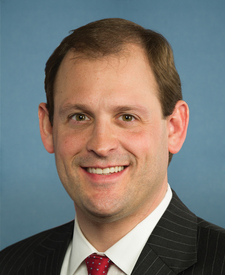
HR7622-119

In Committee

Iran Human Rights, Internet Freedom, and Accountability Act of 2026

119th Congress Introduced Feb 20, 2026

Summary

What This Bill Does

The Iran Human Rights, Internet Freedom, and Accountability Act states that United States policy is to support the Iranian people's political self-determination, expand unrestricted communications, enforce sanctions against human-rights violators and supporting family members, and coordinate with allies to deter lethal violence against protesters. The findings and policy statement do not themselves impose a sanction or fund a program.

The bill expands an existing Iran internet-freedom strategy to assess direct-to-cell communications, drone and jamming risks, and ownership of terrestrial and non-terrestrial telecommunications providers. The State Department must provide an updated strategy within 120 days. Existing program authority is increased by $30 million annually for fiscal years 2027 through 2030. The Defense Innovation Unit must develop scalable tools such as satellite connectivity, mesh networks, portable systems, and virtual private networks; run pilots; assist partners; and coordinate acquisition work with the Defense Acquisition University. DIU must report annually, and $2 million annually is authorized for fiscal years 2027 through 2030. These authorizations total $128 million over four years if fully appropriated.

Treasury must report within 180 days on Iranian political figures, oligarchs, parastatal entities, beneficial ownership, non-Iranian affiliations, United States financial-sector exposure, and possible sanctions effects. The bill creates a FinCEN Iran Kleptocracy Initiative to trace assets, coordinate seizures and prosecutions, publish findings, reward useful information, share threat intelligence, and report annually. A parastatal entity is defined by at least 25-percent Iranian-government ownership and about $2 billion or more in 2024 revenue.

Congressional committee chairs and ranking members may request a presidential determination about foreign persons suspected of supporting Iranian human-rights abuses, censorship, or repression. The President must respond within 120 days and explain whether sanctions were or will be imposed. A final sense-of-Congress provision recommends broadcasting, grants, training, secure communications, relocation aid, coordination, and performance metrics for independent Iranian media, but it is nonbinding.

Who Benefits and How

Iranian internet users, dissidents, protesters, and independent journalists may gain more resilient communications. Satellite, mesh-network, VPN, and portable-system developers gain federal development and pilot opportunities. Iranian corruption victims may benefit from asset recovery or lawful repurposing. Congressional committees gain detailed reports and a route to compel sanctions determinations. United States financial institutions gain information about exposure to politically connected Iranian entities.

Who Bears the Burden and How

Iranian censorship authorities and state-controlled communications providers face technologies designed to bypass restrictions. Iranian officials, oligarchs, parastatal entities, family members, associates, and proxies face asset tracing, public designations, investigations, and possible seizure or prosecution. State, Treasury, FCC, DIU, DAU, FinCEN, intelligence, and law-enforcement staff must conduct assessments, build programs, coordinate internationally, and report. Federal accounts bear authorized internet-freedom costs if Congress appropriates them.

Key Provisions

  • Expands the Iran internet-freedom strategy to direct-to-cell and jamming analysis.
  • Requires a strategy update within 120 days.
  • Authorizes $30 million annually for existing internet-freedom work through fiscal year 2030.
  • Directs DIU to develop and test censorship-circumvention technologies.
  • Authorizes $2 million annually for DIU work through fiscal year 2030.
  • Requires a detailed report on Iranian oligarchs and parastatal entities.
  • Creates the FinCEN Iran Kleptocracy Initiative.
  • Requires annual initiative reports on investigations and recovered assets.
  • Creates a congressional request process for sanctions determinations.
  • Provides nonbinding recommendations for independent Iranian media support.

Evidence Chain:

This summary is generated from the full bill text using AI analysis. Expand "Detailed Analysis" below for identified beneficiaries/burden bearers with clause-level evidence links.

At a Glance

What This Bill Does

Expands United States support for uncensored communications in Iran, creates a FinCEN initiative targeting Iranian kleptocracy, strengthens congressional sanctions oversight, and states policies supporting Iranian human rights and independent media.

Key Policy Areas

Iran Human Rights, Internet Freedom, Sanctions Oversight, Anti-Kleptocracy Enforcement, Independent Media, Defense Technology

Primary Purpose

Expands United States support for uncensored communications in Iran, creates a FinCEN initiative targeting Iranian kleptocracy, strengthens congressional sanctions oversight, and states policies supporting Iranian human rights and independent media.

Policy Domains

Iran Human Rights Internet Freedom Sanctions Oversight Anti-Kleptocracy Enforcement Independent Media Defense Technology

Section 2 findings and policy statement

Identified Gains
  • Iranian people seeking democratic elections
  • Iranian protesters
  • Iranian women facing state repression
  • Iranian ethnic minorities
  • Iranian LGBTQ communities
  • Iranian dissidents
Model: codex-gpt-5 | Version: bill_summary_v2 | Source: ih
Iranian dissidents:
Iranian protesters:
Iranian LGBTQ communities:
Iranian ethnic minorities:
Iranian women facing state repression:
Iranian people seeking democratic elections:
Identified Costs
  • Iranian regime human-rights violators
  • Family members supporting sanctioned Iranian officials
  • United States foreign-policy staff
  • Allied diplomatic coordination staff
Model: codex-gpt-5 | Version: bill_summary_v2 | Source: ih
United States foreign-policy staff:
Allied diplomatic coordination staff:
Iranian regime human-rights violators:
Family members supporting sanctioned Iranian officials:

Section 5 congressional sanctions-determination requests

Identified Gains
  • Congressional foreign-affairs committee leaders
  • Congressional armed-services committee leaders
  • Congressional intelligence committee leaders
  • Iranian human-rights activists
  • United States sanctions enforcement programs
Model: codex-gpt-5 | Version: bill_summary_v2 | Source: ih
Iranian human-rights activists:
Congressional intelligence committee leaders:
United States sanctions enforcement programs:
Congressional armed-services committee leaders:
Congressional foreign-affairs committee leaders:
Identified Costs
  • Foreign suppliers of Iranian censorship technology
  • Foreign providers of Iranian surveillance tools
  • Foreign providers of Iranian internet-shutdown systems
  • Presidential sanctions-review staff
  • State Department sanctions analysts
  • Treasury sanctions analysts
Model: codex-gpt-5 | Version: bill_summary_v2 | Source: ih
Treasury sanctions analysts:
Presidential sanctions-review staff:
State Department sanctions analysts:
Foreign providers of Iranian surveillance tools:
Foreign suppliers of Iranian censorship technology:
Foreign providers of Iranian internet-shutdown systems:

Section 4 oligarch report and FinCEN initiative

Identified Gains
  • Iranian victims of official corruption
  • Iranian people eligible for repurposed assets
  • United States banks assessing Iran exposure
  • United States securities firms assessing Iran exposure
  • Federal anti-money-laundering investigators
  • Congressional sanctions oversight committees
Model: codex-gpt-5 | Version: bill_summary_v2 | Source: ih
Iranian victims of official corruption:
Federal anti-money-laundering investigators:
United States banks assessing Iran exposure:
Congressional sanctions oversight committees:
Iranian people eligible for repurposed assets:
United States securities firms assessing Iran exposure:
Identified Costs
  • Iranian government officials under investigation
  • Iranian oligarchs under investigation
  • Iranian parastatal entities
  • Family members holding linked Iranian assets
  • FinCEN Iran Kleptocracy Initiative staff
  • Treasury oligarch-report staff
  • Intelligence analysts supporting the report
  • State Department sanctions staff
Model: codex-gpt-5 | Version: bill_summary_v2 | Source: ih
Iranian parastatal entities:
Treasury oligarch-report staff:
State Department sanctions staff:
Iranian oligarchs under investigation:
FinCEN Iran Kleptocracy Initiative staff:
Intelligence analysts supporting the report:
Family members holding linked Iranian assets:
Iranian government officials under investigation:

Section 3 internet freedom and DIU technology programs

Identified Gains
  • Iranian internet users
  • Iranian dissidents using secure communications
  • Independent Iranian journalists
  • Low-Earth-orbit satellite providers
  • Mesh-network developers
  • Virtual-private-network providers
  • Partner organizations expanding internet access
Model: codex-gpt-5 | Version: bill_summary_v2 | Source: ih
Iranian internet users:
Mesh-network developers:
Independent Iranian journalists:
Virtual-private-network providers:
Low-Earth-orbit satellite providers:
Iranian dissidents using secure communications:
Partner organizations expanding internet access:
Identified Costs
  • Iranian censorship authorities
  • Iranian state-controlled telecommunications providers
  • State Department internet-freedom staff
  • FCC communications analysts
  • Treasury sanctions analysts
  • Defense Innovation Unit staff
  • Defense Acquisition University staff
  • Federal internet-freedom accounts
Model: codex-gpt-5 | Version: bill_summary_v2 | Source: ih
FCC communications analysts:
Treasury sanctions analysts:
Defense Innovation Unit staff:
Iranian censorship authorities:
Federal internet-freedom accounts:
Defense Acquisition University staff:
State Department internet-freedom staff:
Iranian state-controlled telecommunications providers:

Section 6 nonbinding broadcasting and media policy

Identified Gains
  • Independent Iranian journalists
  • Iranian citizen journalists
  • Independent Persian-language media outlets
  • Iranian audiences seeking uncensored reporting
  • United States international broadcasting programs
Model: codex-gpt-5 | Version: bill_summary_v2 | Source: ih
Iranian citizen journalists:
Independent Iranian journalists:
Independent Persian-language media outlets:
Iranian audiences seeking uncensored reporting:
United States international broadcasting programs:
Identified Costs
  • United States broadcasting program staff
  • State Department media-assistance staff
  • Media-grant performance analysts
  • International media-coordination staff
Model: codex-gpt-5 | Version: bill_summary_v2 | Source: ih
Media-grant performance analysts:
International media-coordination staff:
State Department media-assistance staff:
United States broadcasting program staff:

Legislative Progress

In Committee
Introduced Committee Passed
Feb 20, 2026

Referred to the Committee on Foreign Affairs, and in addition …

Feb 20, 2026

Introduced in House

Feb 20, 2026

Mr. Lawler (for himself and Mr. Sherman) introduced the following …

Stakeholder Effects

cui bono?

How this legislation distributes effects. Mention counts reflect frequency, not effect magnitude.

Government
14 mentions across 3 clauses
+4 positive -10 negative

Congressional armed-services committee leaders, Congressional foreign-affairs committee leaders, Congressional intelligence committee leaders

Positive-direction: Congressional armed-services committee leaders, Congressional foreign-affairs committee leaders, Congressional intelligence committee leaders, Federal anti-money-laundering investigators

Negative-direction: Defense Acquisition University staff, Defense Innovation Unit staff, Federal internet-freedom accounts, FinCEN Iran Kleptocracy Initiative staff, Intelligence analysts supporting the report, Presidential sanctions-review staff, State Department internet-freedom staff, State Department sanctions analysts, Treasury oligarch-report staff, Treasury sanctions analysts

Foreign Affairs
8 mentions across 3 clauses
+3 positive -5 negative

Family members holding linked Iranian assets, Iranian censorship authorities, Iranian government officials under investigation

Positive-direction: Iranian human-rights activists, Iranian people eligible for repurposed assets, Iranian victims of official corruption

Negative-direction: Family members holding linked Iranian assets, Iranian censorship authorities, Iranian government officials under investigation, Iranian oligarchs under investigation, Iranian parastatal entities

Telecommunications
7 mentions across 2 clauses
+5 positive -2 negative

Foreign providers of Iranian internet-shutdown systems, Iranian dissidents using secure communications, Iranian internet users

Positive-direction: Iranian dissidents using secure communications, Iranian internet users, Low-Earth-orbit satellite providers, Mesh-network developers, Virtual-private-network providers

Negative-direction: Foreign providers of Iranian internet-shutdown systems, Iranian state-controlled telecommunications providers

Technology
2 mentions across 1 clause
-2 negative

Foreign providers of Iranian surveillance tools, Foreign suppliers of Iranian censorship technology

Financial Services
2 mentions across 1 clause
+2 positive

United States banks assessing Iran exposure, United States securities firms assessing Iran exposure

Media & Entertainment
1 mention across 1 clause
+1 positive

Independent Iranian journalists

5/6
sections analyzed
Full impact breakdown

Bill Structure & Actor Mappings

Who is "The Secretary" in each section?

Domains
Iran Human Rights Internet Freedom Sanctions Policy
Actor Mappings
"violator"
→ Iranian regime human-rights violator
"policy_maker"
→ United States foreign-policy agency
"rights_holder"
→ Iranian person seeking political and communications freedom
Domains
Internet Freedom Defense Technology Telecommunications Iran Human Rights
Actor Mappings
"user"
→ Person in Iran seeking uncensored internet access
"strategy_author"
→ Secretary of State
"technology_lead"
→ Defense Innovation Unit
"acquisition_partner"
→ Defense Acquisition University
Domains
Anti-Kleptocracy Enforcement Financial Sanctions Asset Forfeiture Iran
Actor Mappings
"partner"
→ Federal or international law-enforcement agency
"subject"
→ Iranian official, oligarch, or parastatal entity
"investigator"
→ FinCEN Iran Kleptocracy Initiative
"report_author"
→ Treasury Secretary
Domains
Sanctions Oversight Iran Human Rights Congressional Oversight
Actor Mappings
"subject"
→ Foreign person suspected of supporting Iranian repression
"requester"
→ Chair or ranking member of an appropriate committee
"decision_maker"
→ President
Domains
Independent Media Iran Human Rights Public Diplomacy
Actor Mappings
"partner"
→ International or diaspora media partner
"journalist"
→ Independent Iranian journalist
"broadcaster"
→ United States international broadcasting program

Note: {'scope_ids': ['iran_independent_media_policy'], 'description': 'The media-assistance provision is a sense of Congress and recommends policy without imposing an operative funding or implementation mandate.'}

Key Definitions

Terms defined in this bill

3 terms
"Islamic Republic of Iran parastatal entity" §iran_parastatal_entity

An entity at least 25 percent owned by the Iranian government with approximately $2 billion or more in 2024 revenue.

"expanded internet-freedom assessment" §internet_strategy_update

Analysis of direct-to-cell feasibility, drone and jamming effects, provider ownership, foreign participation, and communications-freedom risks in Iran.

"support for Iranian repression" §sanctions_support_conduct

Knowing material support for regime human-rights abuse, censorship, or repression, including censorship technology, surveillance tools, internet-shutdown capabilities, or conduct sanctionable under 31 C.F.R. part 562.

We use a combination of our own taxonomy and classification in addition to large language models to assess meaning and potential beneficiaries. High confidence means strong textual evidence. Always verify with the original bill text.

Learn more about our methodology