Transatlantic Academic Security and Risk Mitigation Act
Summary
What This Bill Does
The Transatlantic Academic Security and Risk Mitigation Act requires the Under Secretary of State for Political Affairs to submit, within 180 days, a strategy regarding covered European institutions that have academic, financial, research, governance, programmatic, data-sharing, or other direct or indirect relationships with covered entities of concern. Covered European institutions are higher education or research institutions located in Europe.
The strategy must explain how the Department of State will identify, evaluate, and mitigate risky relationships between European institutions and covered entities of concern. It must assess the scale, scope, and activities of such entities in Europe by country; evaluate vulnerabilities and national security risks to the United States and European allies; and recommend bilateral and multilateral diplomatic engagement with European governments and institutions. The Under Secretary must also brief congressional committees when submitting the strategy. Covered entities of concern include PRC military-civil fusion entities, Chinese defense industrial base entities, entities tied to PRC defense science administration or Central Military Commission funding, entities supporting PRC security or intelligence organs, entities undermining Taiwan-related U.S. policy, entities enabling Uyghur forced labor or persecution, Chinese Academy of Sciences affiliates, PRC talent recruitment programs, Confucius Institute-type campus groups, and malign influence actors.
Who Benefits and How
Department of State research-security staff benefit from a specific strategy mandate for European academic relationships with PRC-linked entities. European higher education institutions benefit from clearer U.S. diplomatic recommendations for identifying and mitigating risky relationships. European research institutions benefit from country-by-country risk assessments and engagement options. Congressional foreign affairs committees benefit from the required strategy and briefing. Taiwan security advocates benefit because the covered-entity definition includes actors undermining the U.S. relationship with Taiwan. Uyghur human rights advocates benefit because entities enabling detention, persecution, or forced labor are included in the risk screen.
Who Bears the Burden and How
The Under Secretary of State for Political Affairs must prepare the strategy, briefing, and any classified annex within 180 days. Department of State analysts must map PRC-linked entities, disaggregate activities by European country, and evaluate risks to U.S. and allied interests. European institutions with PRC defense or talent-program relationships may face diplomatic scrutiny and mitigation requests. PRC military-civil fusion entities and Confucius Institute-type campus organizations face higher visibility in U.S. risk assessments. European governments may need to respond to U.S. recommendations for bilateral or multilateral engagement. Congressional staff must review the strategy and classified annex if one is provided.
Key Provisions
- Requires a 180-day State Department strategy on European institutions' relationships with covered entities of concern.
- Directs risk identification, evaluation, and mitigation recommendations for European academic and research relationships.
- Requires country-level assessment of covered entities' scale, scope, and activities in Europe.
- Requires evaluation of national security risks to the United States and European allies.
- Requires diplomatic engagement recommendations for European governments and institutions.
- Defines covered entities of concern to include PRC defense, intelligence, talent recruitment, campus influence, Taiwan, and Uyghur persecution-linked actors.
- Requires an unclassified strategy, possible classified annex, and concurrent congressional briefing.
Evidence Chain:
This summary is generated from the full bill text using AI analysis. Expand "Detailed Analysis" below for identified beneficiaries/burden bearers with clause-level evidence links.
At a Glance
What This Bill Does
Requires the Under Secretary of State for Political Affairs to submit a strategy and briefing on risks from European higher education and research institutions that maintain relationships with covered People's Republic of China entities of concern, including military-civil fusion entities, defense industrial entities, PRC talent programs, Confucius Institute-type campus groups, and malign influence actors.
Key Policy Areas
Foreign Policy, Higher Education, Research Security
Primary Purpose
Requires the Under Secretary of State for Political Affairs to submit a strategy and briefing on risks from European higher education and research institutions that maintain relationships with covered People's Republic of China entities of concern, including military-civil fusion entities, defense industrial entities, PRC talent programs, Confucius Institute-type campus groups, and malign influence actors.
Policy Domains
Bill provisions
Identified Gains
- Department of State research-security staff
- European higher education institutions
- European research institutions
- Congressional foreign affairs committees
- Taiwan security advocates
- Uyghur human rights advocates
Identified Costs
- Under Secretary of State for Political Affairs
- Department of State analysts
- European institutions with PRC defense relationships
- PRC military-civil fusion entities
- Confucius Institute operators
- European governments
- Congressional staff
Sponsors
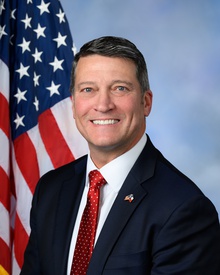
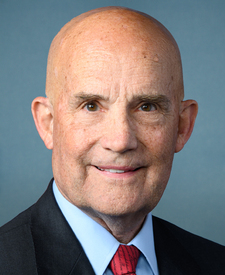


Legislative Progress
ReportedOrdered to be Reported by the Yeas and Nays: 27 …
Committee Consideration and Mark-up Session Held
Referred to the House Committee on Foreign Affairs.
Introduced in House
Mr. Jackson of Texas (for himself and Mr. Fine) introduced …
Stakeholder Effects
cui bono?How this legislation distributes effects. Mention counts reflect frequency, not effect magnitude.
Congressional foreign affairs committees, Department of State research-security staff, Under Secretary of State for Political Affairs
Positive-direction: Congressional foreign affairs committees
Negative-direction: Department of State research-security staff, Under Secretary of State for Political Affairs
Confucius Institute operators, European higher education institutions
Bill Structure & Actor Mappings
Who is "The Secretary" in each section?
- "house_committee"
- → House Committee on Foreign Affairs
- "under_secretary"
- → Under Secretary of State for Political Affairs
- "senate_committee"
- → Senate Committee on Foreign Relations
We use a combination of our own taxonomy and classification in addition to large language models to assess meaning and potential beneficiaries. High confidence means strong textual evidence. Always verify with the original bill text.
Learn more about our methodology