HR7608-119

In Committee

Southeast Asian Deportation Relief Act of 2026

119th Congress Introduced Feb 20, 2026

Summary

What This Bill Does

The Southeast Asian Deportation Relief Act of 2026 creates broad deportation relief for long-term residents who are nationals of Cambodia, Laos, or Vietnam. It is framed around findings that Southeast Asian refugee communities arrived after U.S. military intervention, bombing, war, genocide, refugee resettlement, trauma, systemic poverty, and 1990s criminal and immigration-law changes that expanded the prison-to-deportation pipeline. Substantively, the bill bars detention or removal after enactment for nationals of Cambodia, Laos, or Vietnam who entered the United States on or before January 1, 2008 and have continuously resided here. DHS must authorize those individuals to work permanently and give them renewable five-year work permits. If they are under immigration supervision, DHS must replace periodic in-person identification with virtual appearances no more often than once every five years. The Attorney General must grant motions to reopen or reconsider covered removal, deportation, exclusion, or voluntary-departure cases dating from April 24, 1996 to enactment, terminate reopened removal proceedings with prejudice, vacate prior removal orders, and treat covered individuals as not having been removed or failed to depart. DHS and State must provide government-paid transportation and travel documents for eligible removed individuals to return for proceedings, and denials get de novo district-court review. DHS must notify covered individuals within 60 days, and harmed people or entities may seek declaratory or injunctive relief, including class actions.

Who Benefits and How

Long-term Cambodian residents, long-term Lao residents, long-term Vietnamese residents, Southeast Asian refugee families, people with final removal orders, previously removed eligible individuals, immigrant-rights organizations, and employers relying on affected workers benefit from removal protection, work authorization, reopened cases, travel assistance, notice, and judicial review.

Who Bears the Burden and How

DHS must stop detaining and removing covered individuals, issue renewable five-year work permits, replace frequent in-person supervision with virtual check-ins, and send notices within 60 days. The Attorney General and immigration courts must reopen or reconsider covered cases, terminate reopened proceedings with prejudice, and vacate prior orders; the State Department must help provide travel documents; ICE supervision offices must change check-in practices; federal district courts must hear de novo and injunctive suits; and federal taxpayers must pay covered return transportation and added administration.

Key Provisions

  • Bars detention and removal of nationals of Cambodia, Laos, or Vietnam who entered by January 1, 2008 and have continuously resided in the United States.
  • Requires DHS to provide permanent employment authorization with renewable five-year work permits.
  • Limits immigration-supervision check-ins to virtual appearances no more frequently than once every five years for covered individuals.
  • Requires the Attorney General to grant covered reopening or reconsideration motions, terminate reopened proceedings with prejudice, and vacate prior removal orders.
  • Directs DHS and State to provide government-paid travel documents and transportation for eligible removed individuals returning to the United States.
  • Authorizes declaratory and injunctive district-court actions, including class actions, for violations.

Evidence Chain:

This summary is generated from the full bill text using AI analysis. Expand "Detailed Analysis" below for identified beneficiaries/burden bearers with clause-level evidence links.

At a Glance

What This Bill Does

Protects nationals of Cambodia, Laos, and Vietnam who entered the United States by January 1, 2008 and have continuously resided here from detention and removal, gives them renewable five-year work authorization, limits in-person supervision check-ins, requires reopening and vacatur of covered past removal cases, provides government-paid travel back to the United States for eligible removed individuals, requires DHS notice, and authorizes district-court injunctive and declaratory suits including class actions.

Key Policy Areas

Immigration, Civil Rights, Courts, Labor

Primary Purpose

Protects nationals of Cambodia, Laos, and Vietnam who entered the United States by January 1, 2008 and have continuously resided here from detention and removal, gives them renewable five-year work authorization, limits in-person supervision check-ins, requires reopening and vacatur of covered past removal cases, provides government-paid travel back to the United States for eligible removed individuals, requires DHS notice, and authorizes district-court injunctive and declaratory suits including class actions.

Policy Domains

Immigration Civil Rights Courts Labor

Bill-wide scope

Identified Gains
  • Long-term Cambodian residents
  • Long-term Lao residents
  • Long-term Vietnamese residents
  • Southeast Asian refugee families
  • People with final removal orders
  • Previously removed eligible individuals
  • Immigrant-rights organizations
Model: codex-gpt-5 | Version: bill_summary_v2 | Source: ih
Long-term Lao residents: , , , ,
Long-term Cambodian residents: , , , ,
Immigrant-rights organizations: , , , ,
Long-term Vietnamese residents: , , , ,
People with final removal orders: , , , ,
Southeast Asian refugee families: , , , ,
Previously removed eligible individuals: , , , ,
Identified Costs
  • Department of Homeland Security
  • Immigration courts
  • Attorney General
  • State Department
  • ICE supervision offices
  • Federal district courts
  • Federal taxpayers
Model: codex-gpt-5 | Version: bill_summary_v2 | Source: ih
Attorney General: , , , ,
State Department: , , , ,
Federal taxpayers: , , , ,
Immigration courts: , , , ,
Federal district courts: , , , ,
ICE supervision offices: , , , ,
Department of Homeland Security: , , , ,

Legislative Progress

In Committee
Introduced Committee Passed
Feb 20, 2026

Referred to the House Committee on the Judiciary.

Feb 20, 2026

Introduced in House

Feb 20, 2026

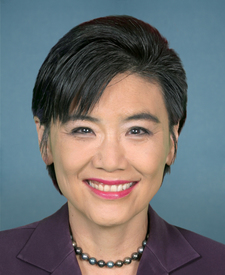
Ms. Chu (for herself, Ms. Jayapal, Ms. Lofgren, Ms. Pressley, …

Stakeholder Effects

cui bono?

How this legislation distributes effects. Mention counts reflect frequency, not effect magnitude.

Immigration
16 mentions across 5 clauses
+15 positive -1 negative

ICE supervision offices, Long-term Cambodian residents, Long-term Lao residents

Positive-direction: Long-term Cambodian residents, Long-term Lao residents, Long-term Vietnamese residents, People with final removal orders, Previously removed eligible individuals, Southeast Asian refugee families

Negative-direction: ICE supervision offices

Government
6 mentions across 4 clauses
-6 negative

Attorney General, Department of Homeland Security, State Department

Advocacy Groups
3 mentions across 3 clauses
+3 positive

Immigrant-rights organizations

Courts
2 mentions across 2 clauses
-2 negative

Federal district courts

Labor
1 mention across 1 clause
+1 positive

Employers relying on affected workers

Taxpayers
1 mention across 1 clause
-1 negative

Taxpayers

5/6
sections analyzed
Full impact breakdown

Bill Structure & Actor Mappings

Who is "The Secretary" in each section?

Domains
Immigration Civil Rights Courts Labor
Actor Mappings
"DHS"
→ Department of Homeland Security
"ICE"
→ Immigration and Customs Enforcement
"primary_beneficiaries"
→ Long-term Cambodian residents, Long-term Lao residents, Long-term Vietnamese residents, Southeast Asian refugee families, People with final removal orders, Previously removed eligible individuals, Immigrant-rights organizations
"primary_burden_bearers"
→ Department of Homeland Security, Immigration courts, Attorney General, State Department, ICE supervision offices, Federal district courts, Federal taxpayers

We use a combination of our own taxonomy and classification in addition to large language models to assess meaning and potential beneficiaries. High confidence means strong textual evidence. Always verify with the original bill text.

Learn more about our methodology