No Vigilante Checkpoints and Civil Rights Protection Act of 2026
Analysis under review: This bill has generated analysis that may be too generic or incomplete. Clause-level evidence remains available below.
Summary
What This Bill Does
This bill, No Vigilante Checkpoints and Civil Rights Protection Act of 2026, changes federal law or congressional policy affecting law enforcement, courts, victims, and regulated public-safety actors. The main policy domain is Criminal Justice, Transportation, Immigration.
Who Benefits and How
law enforcement, courts, victims, and regulated public-safety actors may benefit from new authority, funding, eligibility, regulatory clarity, or reduced risk created by the bill.
Who Bears the Burden and How
federal implementing agencies, law enforcement, courts, victims, and regulated public-safety actors may take on implementation duties, reporting obligations, compliance costs, or oversight responsibilities.
Key Provisions
- Section H249C5D3247B2450ABAE17F6469AECF9D: 1. Short title This Act may be cited as the No Vigilante Checkpoints and Civil Rights Protection Act of 2026.
- Section HEBAF0F09FCC642F1B6D3D0B4143E5790: 2. Findings Congress finds the following: The Fourth Amendment protects the right of individuals to be free from unreasonable searches and seizures, including...
- Section HA11A44A13BB142D98BBEF8CAADB5E259: 3. Prohibition on false assumption of government authority in immigration enforcement Chapter 33 of title 18, United States Code, is amended by inserting after...
- Section H2150E660DE094AA6A5D79B7186EF8CAB: 709A. False assumption of government authority in law enforcement Whoever, without lawful authority, knowingly— stops, detains, or attempts to stop or detain...
- Section H15A04708E29B4CBBBD04DAAE84ECD33D: 4. Civil action for unlawful checkpoints and identity demands Any person aggrieved by conduct prohibited under section 709A of title 18, United States Code,...
Evidence Chain:
This summary is generated from the full bill text using AI analysis. Expand "Detailed Analysis" below for identified beneficiaries/burden bearers with clause-level evidence links.
At a Glance
What This Bill Does
This bill, No Vigilante Checkpoints and Civil Rights Protection Act of 2026, changes federal law or congressional policy affecting law enforcement, courts, victims, and regulated public-safety actors.
Key Policy Areas
Criminal Justice, Transportation, Immigration
Primary Purpose
This bill, No Vigilante Checkpoints and Civil Rights Protection Act of 2026, changes federal law or congressional policy affecting law enforcement, courts, victims, and regulated public-safety actors.
Policy Domains
Whole bill
Identified Gains
- law enforcement, courts, victims, and regulated public-safety actors
Identified Costs
- federal implementing agencies
- law enforcement, courts, victims, and regulated public-safety actors
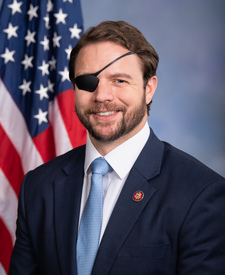
Sponsors
Legislative Progress
In CommitteeReferred to the House Committee on the Judiciary.
Introduced in House
Mr. Crenshaw introduced the following bill; which was referred to …
Impact analysis is available but no clear stakeholder effects identified. View clause-level analysis →
Bill Structure & Actor Mappings
Who is "The Secretary" in each section?
- "federal_implementing_agencies"
- → Federal agencies assigned duties by the bill
We use a combination of our own taxonomy and classification in addition to large language models to assess meaning and potential beneficiaries. High confidence means strong textual evidence. Always verify with the original bill text.
Learn more about our methodology