Older Workers’ Bureau Act
Summary
What This Bill Does
This bill establishes an Older Workers' Bureau in the Department of Labor. Congress cites the growth of the 55-plus workforce, older-adult poverty, low wages for older women, age-discrimination concerns, involuntary part-time or gig work, COVID-era labor-force exits, and caregiving-related exits. The Bureau would be led by a presidentially appointed Director, staffed by the Labor Secretary, and tasked with research, policy development, outreach, education, grant administration, federal research coordination, and better data on older workers. It must report annually on Bureau activities, federal programs supporting older workers, issues that need federal support, and recommendations.
Who Benefits and How
Workers age 55 and older benefit because the Bureau would focus federal attention on job retention, reemployment, age discrimination, FMLA access, workplace flexibility, retirement readiness, wages, digital literacy, and safety-net access. Researchers, employers, labor organizations, nonprofits, and worker organizations can receive competitive grants to study barriers and combat structural ageism.
Who Bears the Burden and How
The Department of Labor must establish the Bureau within 1 year, appoint or support a Director, provide staff, quarters, furniture, and equipment, consult agencies such as SSA, HHS, EEOC, VA, Treasury, IRS, and HUD, run research grants within 180 days after the Bureau is operational, run structural-ageism grants, and administer $10 million per year authorized after fiscal year 2027.
Key Provisions
- Creates an Older Workers' Bureau within the Department of Labor and requires a presidentially appointed Director within 1 year.
- Requires the Bureau to research public benefits, FMLA access, workplace flexibility, job training, savings, age discrimination, wages, job security, retirement readiness, and equitable treatment of older workers.
- Directs annual reports cataloging federal programs, issues needing support, and recommendations to improve older-worker welfare, working conditions, and employment opportunities.
- Authorizes competitive research grants to identify barriers to employment, retention, and reemployment for older workers.
- Authorizes grants to employers, labor organizations, nonprofits, worker organizations, and similar institutions to combat structural ageism and improve older-worker employment.
- Appropriates authorization of $10 million for each fiscal year after fiscal year 2027 for the research and structural-ageism grant programs.
Evidence Chain:
This summary is generated from the full bill text using AI analysis. Expand "Detailed Analysis" below for identified beneficiaries/burden bearers with clause-level evidence links.
At a Glance
What This Bill Does
Creates an Older Workers' Bureau inside the Department of Labor to research, coordinate, report on, and fund policies improving employment and workplace conditions for workers age 55 and older.
Key Policy Areas
Labor, Social Services, Government
Primary Purpose
Creates an Older Workers' Bureau inside the Department of Labor to research, coordinate, report on, and fund policies improving employment and workplace conditions for workers age 55 and older.
Policy Domains
Substantive provisions
Identified Gains
- Older workers age 55 and older
- Department of Labor Older Workers Bureau
- Research institutions studying older workers
- Labor organizations
- Nonprofits with older-worker expertise
Identified Costs
- Department of Labor
- Older Workers Bureau Director
- Grant applicant employers
- Federal agencies consulted by Labor
Sponsors
Legislative Progress
In CommitteeReferred to the House Committee on Education and Workforce.
Introduced in House
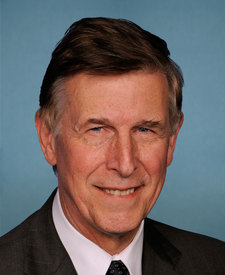
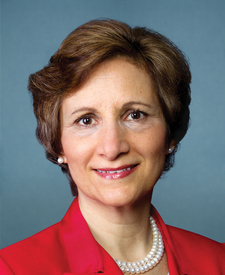
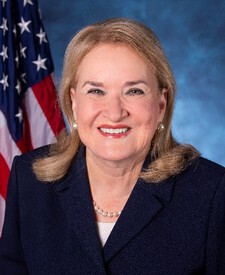
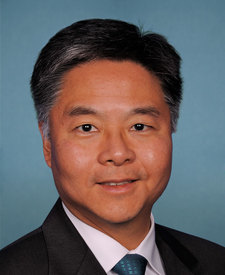
Mr. Beyer (for himself, Ms. Bonamici, and Ms. Garcia of …
Stakeholder Effects
cui bono?How this legislation distributes effects. Mention counts reflect frequency, not effect magnitude.
Department of Labor, Department of Labor Older Workers Bureau, Equal Employment Opportunity Commission
Department of Labor Older Workers Bureau faces effects in multiple directions
Employers receiving older-worker grants, Labor organizations, Older workers age 55 and older
Research grant applicants, Research institutions studying older workers
Nonprofits with older-worker expertise
Bill Structure & Actor Mappings
Who is "The Secretary" in each section?
- "bureau"
- → Older Workers' Bureau in the Department of Labor
- "director"
- → Director of the Older Workers' Bureau
- "secretary"
- → Secretary of Labor
We use a combination of our own taxonomy and classification in addition to large language models to assess meaning and potential beneficiaries. High confidence means strong textual evidence. Always verify with the original bill text.
Learn more about our methodology