Recycled Materials Attribution Act of 2026
Analysis under review: This bill has generated analysis that may be too generic or incomplete. Clause-level evidence remains available below.
Summary
What This Bill Does
This bill, Recycled Materials Attribution Act of 2026, changes federal law or congressional policy affecting energy producers, utilities, and energy consumers. The main policy domain is Energy, Trade, Environment.
Who Benefits and How
energy producers, utilities, and energy consumers may benefit from new authority, funding, eligibility, regulatory clarity, or reduced risk created by the bill.
Who Bears the Burden and How
federal implementing agencies, energy producers, utilities, and energy consumers may take on implementation duties, reporting obligations, compliance costs, or oversight responsibilities.
Key Provisions
- Section H5AE144CED52548F79D83DEE0890419FA: 1. Short title; table of contents This Act may be cited as the Recycled Materials Attribution Act of 2026. The table of contents for this Act is as follows:
- Section H214138124B6D4BF9A9CF080C6EEDE508: 2. Definitions In this Act: The term Commission means the Federal Trade Commission. The term competent and reliable scientific evidence means any test,...
- Section H7EAA4A73FFE94ED6A7D443B161C4DF68: 3. Recognition of mass balance accounting for recycled content claims Mass balance accounting shall be an acceptable method for substantiating recycled content...
- Section H2998F5DC48A94DCA98F70F0EFA8C1F11: 4. Recycled content claims A person may not advertise, market, sell, or offer for sale a product to a consumer using a misleading recycled content claim. Fuels...
- Section H47DEB3F2466D462D98C477E4C8253D79: 5. Enforcement by Federal Trade Commission A violation of section 4(a) shall be treated as a violation of a regulation under section 18(a)(1)(B) of the Federal...
Evidence Chain:
This summary is generated from the full bill text using AI analysis. Expand "Detailed Analysis" below for identified beneficiaries/burden bearers with clause-level evidence links.
At a Glance
What This Bill Does
This bill, Recycled Materials Attribution Act of 2026, changes federal law or congressional policy affecting energy producers, utilities, and energy consumers.
Key Policy Areas
Energy, Trade, Environment
Primary Purpose
This bill, Recycled Materials Attribution Act of 2026, changes federal law or congressional policy affecting energy producers, utilities, and energy consumers.
Policy Domains
Whole bill
Identified Gains
- energy producers, utilities, and energy consumers
Identified Costs
- federal implementing agencies
- energy producers, utilities, and energy consumers
Sponsors




Legislative Progress
In CommitteeReferred to the House Committee on Energy and Commerce.
Introduced in House
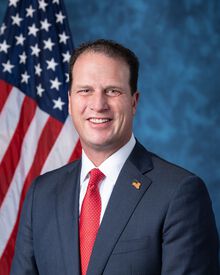
Mr. Langworthy (for himself, Mr. Vicente Gonzalez of Texas, Mr. …
Impact analysis is available but no clear stakeholder effects identified. View clause-level analysis →
Bill Structure & Actor Mappings
Who is "The Secretary" in each section?
- "the_commission"
- → The commission identified in the operative section
Key Definitions
Terms defined in this bill
an independently administered system that— establishes a set of rules governing the implementation of mass balance accounting approaches
We use a combination of our own taxonomy and classification in addition to large language models to assess meaning and potential beneficiaries. High confidence means strong textual evidence. Always verify with the original bill text.
Learn more about our methodology