ICE Out of Our Faces Act
Analysis under review: This bill has generated analysis that may be too generic or incomplete. Clause-level evidence remains available below.
Summary
What This Bill Does
This bill, ICE Out of Our Faces Act, changes federal law or congressional policy affecting immigrants, border agencies, and immigration-service providers. The main policy domain is Immigration, Criminal Justice, Technology.
Who Benefits and How
immigrants, border agencies, and immigration-service providers may benefit from new authority, funding, eligibility, regulatory clarity, or reduced risk created by the bill.
Who Bears the Burden and How
federal implementing agencies, immigrants, border agencies, and immigration-service providers may take on implementation duties, reporting obligations, compliance costs, or oversight responsibilities.
Key Provisions
- Section HDBE46CDBF22A412BA72C004110ACADD2: 1. Short title This Act may be cited as the ICE Out of Our Faces Act.
- Section HC95EDDA9E96248459AC6ED89094C0746: 2. Definitions In this Act: The term biometric surveillance system means computer software that performs facial recognition or other biometric recognition in...
- Section HC67987E81DC94FCBA4CABCCF7833ACA7: 3. Prohibition on the use of biometric surveillance by U.S. Immigration and Customs Enforcement or U.S. Customs and Border Protection It shall be unlawful for...
Evidence Chain:
This summary is generated from the full bill text using AI analysis. Expand "Detailed Analysis" below for identified beneficiaries/burden bearers with clause-level evidence links.
At a Glance
What This Bill Does
This bill, ICE Out of Our Faces Act, changes federal law or congressional policy affecting immigrants, border agencies, and immigration-service providers.
Key Policy Areas
Immigration, Criminal Justice, Technology
Primary Purpose
This bill, ICE Out of Our Faces Act, changes federal law or congressional policy affecting immigrants, border agencies, and immigration-service providers.
Policy Domains
Whole bill
Identified Gains
- immigrants, border agencies, and immigration-service providers
Identified Costs
- federal implementing agencies
- immigrants, border agencies, and immigration-service providers
Sponsors
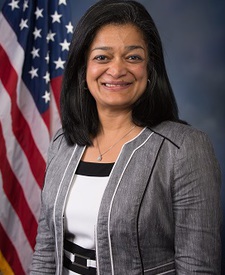
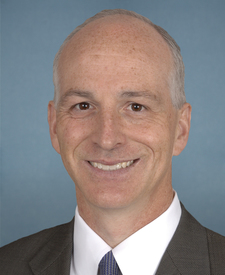

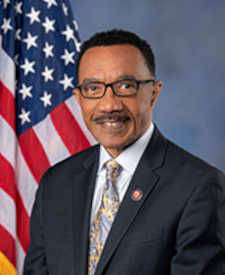
Legislative Progress
In CommitteeReferred to the Subcommittee on Border Security and Enforcement.
Referred to the Committee on the Judiciary, and in addition …
Introduced in House
Ms. Jayapal introduced the following bill; which was referred to …
Impact analysis is available but no clear stakeholder effects identified. View clause-level analysis →
Bill Structure & Actor Mappings
Who is "The Secretary" in each section?
- "federal_implementing_agencies"
- → Federal agencies assigned duties by the bill
Key Definitions
Terms defined in this bill
computer software that performs facial recognition or other biometric recognition in real time or on a recording or photograph. The term covered immigration officer means any individual who is— authorized to perform immigration enforcement functions
We use a combination of our own taxonomy and classification in addition to large language models to assess meaning and potential beneficiaries. High confidence means strong textual evidence. Always verify with the original bill text.
Learn more about our methodology