Foster Youth Workforce Opportunity Act
Summary
What This Bill Does
The Foster Youth Workforce Opportunity Act amends Social Security Act section 477, the John H. Chafee Foster Care Program for Successful Transition to Adulthood. It changes eligibility language from youth who aged out of foster care to youth who experienced foster care at age 14 or older, and it lowers several age references from 16 to 14. That expands who can receive education, training, and transition support.
The bill updates education and training voucher rules so support may be used for cost of attendance at institutions of higher education, including community colleges and postsecondary vocational institutions, or at short-term training programs eligible for Workforce Pell. It keeps the five-year participation limit but allows up to six years for a youth involved in remedial education. The amendments take effect one year after enactment.
Who Benefits and How
Youth who experienced foster care at age 14 or older benefit because eligibility no longer depends on aging out of foster care. Foster youth ages 14 and 15 benefit because age thresholds for transition services and voucher provisions are lowered from 16 to 14. Foster youth in remedial education benefit from a possible sixth year of participation. Community college students with foster-care experience benefit because cost-of-attendance support remains available. Workforce Pell short-term training participants benefit because eligible training programs can be covered. Postsecondary vocational students benefit from explicit cost-of-attendance coverage.
Who Bears the Burden and How
State child welfare agencies must update eligibility rules, forms, outreach, and caseworker guidance. Chafee education and training voucher administrators must track the broader age-14 eligibility group and remedial education six-year exception. Institutions of higher education may need to document cost of attendance for more eligible foster youth. Workforce Pell training providers may see new voucher-supported students and reporting needs. Federal Administration for Children and Families staff must oversee implementation after the one-year effective date.
Key Provisions
- Expands eligibility from youth who aged out of foster care to youth who experienced foster care at age 14 or older.
- Lowers Chafee age references from 16 to 14.
- Allows education and training vouchers for community colleges and postsecondary vocational institutions.
- Expands voucher use to short-term training programs eligible for Workforce Pell.
- Extends the participation limit to six years for youth involved in remedial education.
- Provides a one-year delayed effective date after enactment.
Evidence Chain:
This summary is generated from the full bill text using AI analysis. Expand "Detailed Analysis" below for identified beneficiaries/burden bearers with clause-level evidence links.
At a Glance
What This Bill Does
Expands Chafee education and training voucher eligibility from youth who aged out of foster care to youth who experienced foster care at age 14 or older, lowers program ages from 16 to 14, allows short-term Workforce Pell training programs, extends participation to six years for remedial education participants, and delays effectiveness for one year after enactment.
Key Policy Areas
Foster Care, Higher Education, Workforce Training, Social Welfare
Primary Purpose
Expands Chafee education and training voucher eligibility from youth who aged out of foster care to youth who experienced foster care at age 14 or older, lowers program ages from 16 to 14, allows short-term Workforce Pell training programs, extends participation to six years for remedial education participants, and delays effectiveness for one year after enactment.
Policy Domains
House resolution provisions
Identified Gains
- Youth who experienced foster care at age 14 or older
- Foster youth ages 14 and 15
- Foster youth in remedial education
- Community college students with foster-care experience
- Workforce Pell short-term training participants
- Postsecondary vocational students
Identified Costs
- State child welfare agencies
- Chafee education and training voucher administrators
- Institutions of higher education
- Workforce Pell training providers
- Federal Administration for Children and Families staff
Sponsors

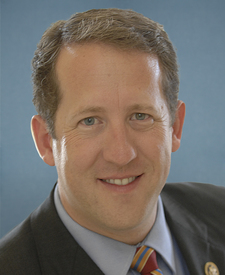
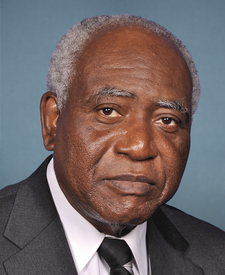
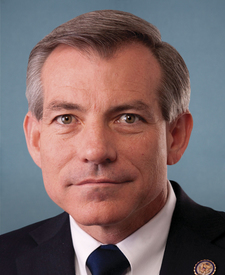

Legislative Progress
ReportedPlaced on the Union Calendar, Calendar No. 556.
Reported (Amended) by the Committee on Ways and Means. H. …
Additional sponsors: Ms. Malliotakis, Mr. Smith of Nebraska, Mr. Hern …
Reported with an amendment, committed to the Committee of the …
Committee Consideration and Mark-up Session Held
Ordered to be Reported in the Nature of a Substitute …
Referred to the House Committee on Ways and Means.
Mr. Miller of Ohio (for himself and Mr. Evans of …
Introduced in House
Stakeholder Effects
cui bono?How this legislation distributes effects. Mention counts reflect frequency, not effect magnitude.
Foster youth ages 14 and 15, Foster youth in remedial education, Youth who experienced foster care at age 14 or older
Workforce Pell short-term training participants, Workforce Pell training providers
Chafee education and training voucher administrators, State child welfare agencies
Bill Structure & Actor Mappings
Who is "The Secretary" in each section?
- "acf"
- → Administration for Children and Families
We use a combination of our own taxonomy and classification in addition to large language models to assess meaning and potential beneficiaries. High confidence means strong textual evidence. Always verify with the original bill text.
Learn more about our methodology