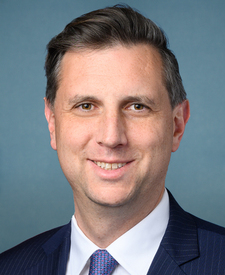
HR7315-119

In Committee

Advancing Policy Priorities Act

119th Congress Introduced Feb 2, 2026

Summary

What This Bill Does

The Advancing Policy Priorities Act is an omnibus package with the same substantive structure as its companion bill. It extends livestock mandatory reporting deadlines to 2025; directs Labor and VA officials to maintain a veteran-facing apprenticeship website; states that agencies should retain injured federal officers and amends civil-service retirement rules for affected employees in covered positions; and imports a large retirement-savings title. The retirement title requires automatic enrollment for many new 401(k) and 403(b) arrangements, expands the small-employer pension startup credit, promotes and enhances the saver credit, allows 403(b) group trust investments, raises required minimum distribution ages, indexes IRA catch-up limits, increases catch-up limits for ages 62 through 64, modifies pooled employer plans and multiple-employer 403(b) plans, permits employer matches for student loan payments, creates a military spouse retirement credit, improves part-time worker access, changes ESOP, annuity, overpayment, paper statement, domestic abuse withdrawal, Roth, hardship, and plan-amendment rules, and creates a Retirement Savings Lost and Found. Other titles codify SBA Boots to Business training through September 30, 2028, establish a commission to study a National Museum of Asian Pacific American History and Culture, require SelectUSA semiconductor investment coordination and reporting, create a uniform FEMA review process for nonstandard homeland-security grant equipment, state NASA enhanced-use leasing findings, require House committee implementation hearings, protect congressional whistleblower identities, require a Federal Maritime Commission study of foreign ownership at major U.S. container ports, set PAYGO scoring treatment, change Federal credit union board-meeting frequency, and include fiscal year 2026 appropriations language.

Who Benefits and How

Retirement savers, part-time workers, domestic abuse survivors, older IRA owners, military spouses, small employers, 403(b) participants, ESOP sponsors, first responders, and workers repaying student loans benefit from more generous savings rules, credits, enrollment, withdrawal flexibility, and plan access. Veterans, service members, spouses, and dependents benefit from apprenticeship information and SBA entrepreneurship training. Livestock producers and market participants benefit from continued USDA mandatory reporting data. Asian Pacific American communities benefit from a federal museum feasibility process. Semiconductor manufacturers, State economic development agencies, and SelectUSA benefit from coordinated foreign direct investment work. Emergency response agencies benefit from a clearer FEMA equipment-review path, and whistleblowers benefit from House rules protecting identity disclosure.

Who Bears the Burden and How

Employers, retirement plan sponsors, pooled plan fiduciaries, plan administrators, IRA providers, 403(b) administrators, Treasury, IRS, Department of Labor, PBGC, SBA, SelectUSA, FEMA, House committees, Federal Maritime Commission, Federal credit unions, and federal budget staff must implement new rules, reports, guidance, databases, reviews, or administrative procedures. Federal taxpayers and federal revenue collections bear the cost of tax credits, deductions, exclusions, appropriations, and delayed or reduced tax collections. Financial institutions, employers, and plan vendors must update systems for automatic enrollment, Roth treatment, student-loan matches, paper statements, hardship certifications, domestic-abuse distributions, and other plan changes. Foreign terminal owners and ports face scrutiny under the foreign-port ownership study.

Key Provisions

  • Extends livestock mandatory reporting and creates veteran apprenticeship information requirements.
  • Modifies federal officer retirement treatment for injured covered-position employees.
  • Expands retirement access, credits, catch-up contributions, student-loan matching, emergency withdrawals, Roth treatment, and plan-correction rules across 401(k), 403(b), IRA, ESOP, annuity, and governmental plan settings.
  • Creates or directs programs and studies for Boots to Business, an Asian Pacific American museum commission, SelectUSA semiconductor investment, FEMA equipment approval, NASA leasing, House oversight, whistleblower identity protection, and foreign-port ownership.
  • Modifies PAYGO treatment, Federal credit union board-meeting rules, and fiscal year 2026 appropriations language.

Evidence Chain:

This summary is generated from the full bill text using AI analysis. Expand "Detailed Analysis" below for identified beneficiaries/burden bearers with clause-level evidence links.

At a Glance

What This Bill Does

Combines many policy changes into one package: livestock reporting extension, veteran apprenticeship information, retention and retirement rules for injured federal officers, broad retirement-savings and pension changes, veteran entrepreneurship training, an Asian Pacific American museum commission, semiconductor investment coordination through SelectUSA, homeland security grant equipment review, NASA leasing findings, House oversight hearings, whistleblower identity protections, a foreign-port ownership study, PAYGO treatment, credit-union board-meeting changes, and fiscal year 2026 appropriations language.

Key Policy Areas

Agriculture, Veterans, Labor, Tax Policy, Financial Services, Small Business, Technology, Government Oversight

Primary Purpose

Combines many policy changes into one package: livestock reporting extension, veteran apprenticeship information, retention and retirement rules for injured federal officers, broad retirement-savings and pension changes, veteran entrepreneurship training, an Asian Pacific American museum commission, semiconductor investment coordination through SelectUSA, homeland security grant equipment review, NASA leasing findings, House oversight hearings, whistleblower identity protections, a foreign-port ownership study, PAYGO treatment, credit-union board-meeting changes, and fiscal year 2026 appropriations language.

Policy Domains

Agriculture Veterans Labor Tax Policy Financial Services Small Business Technology Government Oversight

Substantive provisions

Identified Gains
  • Retirement savers
  • Small employer retirement plan sponsors
  • Part-time workers
  • Military spouses
  • Veterans
  • Asian Pacific American communities
  • Semiconductor manufacturers
  • Emergency response agencies
  • Whistleblowers
Model: codex-gpt-5 | Version: bill_summary_v2 | Source: ih
Veterans: , , , , , , , , , , , , , , ,
Whistleblowers: , , , , , , , , , , , , , , ,
Military spouses: , , , , , , , , , , , , , , ,
Part-time workers: , , , , , , , , , , , , , , ,
Retirement savers: , , , , , , , , , , , , , , ,
Emergency response agencies: , , , , , , , , , , , , , , ,
Semiconductor manufacturers: , , , , , , , , , , , , , , ,
Asian Pacific American communities: , , , , , , , , , , , , , , ,
Small employer retirement plan sponsors: , , , , , , , , , , , , , , ,
Identified Costs
  • Retirement plan administrators
  • Internal Revenue Service
  • Treasury Department
  • Department of Labor
  • Small Business Administration
  • SelectUSA
  • FEMA
  • House committees
  • Federal Maritime Commission
  • Federal credit unions
  • Federal taxpayers
Model: codex-gpt-5 | Version: bill_summary_v2 | Source: ih
FEMA: , , , , , , , , , , , , , , ,
SelectUSA: , , , , , , , , , , , , , , ,
House committees: , , , , , , , , , , , , , , ,
Federal taxpayers: , , , , , , , , , , , , , , ,
Department of Labor: , , , , , , , , , , , , , , ,
Treasury Department: , , , , , , , , , , , , , , ,
Federal credit unions: , , , , , , , , , , , , , , ,
Internal Revenue Service: , , , , , , , , , , , , , , ,
Federal Maritime Commission: , , , , , , , , , , , , , , ,
Small Business Administration: , , , , , , , , , , , , , , ,
Retirement plan administrators: , , , , , , , , , , , , , , ,

Legislative Progress

In Committee
Introduced Committee Passed
May 20, 2026

Referred to the Subcommittee on Livestock, Dairy, and Poultry.

Feb 2, 2026

Referred to the Committee on Ways and Means, and in …

Feb 2, 2026

Introduced in House

Feb 2, 2026

Mr. Magaziner introduced the following bill; which was referred to …

Stakeholder Effects

cui bono?

How this legislation distributes effects. Mention counts reflect frequency, not effect magnitude.

Government
74 mentions across 50 clauses
+17 positive -53 negative ?4 uncertain

Commission members, Commission staff, Congress

Internal Revenue Service, Treasury Department face effects in multiple directions

Positive-direction: Congress, Federal budget accounts, Federal budget scorekeepers, House Budget Committee, NASA facility tenants, NASA property managers, President, Whistleblowers

Negative-direction: Commission members, Commission staff, Congressional leaders, Department of Labor, FEMA, Federal Interagency Investment Working Group, Federal personnel offices, House Members, House committees, House employees, House standing committees, Office of Management and Budget, Office of Personnel Management, Pension Benefit Guaranty Corporation, SelectUSA

Financial Services
50 mentions across 39 clauses
+22 positive -27 negative ?1 uncertain

401(k) plan sponsors, Annuity providers, Defined benefit plan sponsors

Plan administrators, Retirement plan administrators, Retirement plan sponsors face effects in multiple directions

Positive-direction: Annuity providers, ETF sponsors, Employee stock ownership plans, Foreign investors, Group trust providers, IRA sponsors, Retirement plan fiduciaries, Variable annuity insurers, Well-rated Federal credit unions

Negative-direction: 401(k) plan sponsors, IRA administrators, IRA custodians, Lower-rated Federal credit unions, National Credit Union Administration, New Federal credit unions, Pooled plan fiduciaries

Labor
29 mentions across 26 clauses
+24 positive -2 negative ?3 uncertain

Apprenticeship sponsors, ESOP participants, Employees in retirement plans

Positive-direction: Apprenticeship sponsors, ESOP participants, Employees in retirement plans, Employees seeking hardship distributions, Employer plan sponsors, Low-income retirement savers, Missing retirement account owners, Part-time workers, Participants receiving overpayments, Pooled employer plan participants, Retirement plan participants, Retirement savers, Small business employees, Workers ages 62 through 64

Negative-direction: Employers, Participating employers

Taxpayers
24 mentions across 18 clauses
+12 positive -12 negative

Federal revenue collections, High-earning retirement savers, IRA owners

Federal revenue collections, Taxpayers face effects in multiple directions

Positive-direction: IRA owners, Older IRA owners, Older retirement savers, Retirees using annuities

Negative-direction: High-earning retirement savers

Education
10 mentions across 6 clauses
+6 positive -4 negative

403(b) plan administrators, 403(b) plan participants, Education nonprofit employers

Positive-direction: 403(b) plan participants, Education nonprofit employers, Workers repaying student loans

Negative-direction: 403(b) plan administrators

Small Business
10 mentions across 9 clauses
+8 positive -2 negative

S corporation owners, Small Business Administration, Small business resource partners

Small employers faces effects in multiple directions

Positive-direction: S corporation owners, Small business resource partners, Small employer retirement plan sponsors, Sole proprietors

Negative-direction: Small Business Administration

Non-Profit Institutions
7 mentions across 5 clauses
+6 positive -1 negative

Asian Pacific American communities, Charitable organizations, Museum professionals

Positive-direction: Asian Pacific American communities, Charitable organizations, Museum professionals, Private donors, Public oversight groups

Negative-direction: Smithsonian Institution

Professional Services
6 mentions across 6 clauses
-6 negative

Payroll providers, Tax preparers

70/80
sections analyzed
Full impact breakdown

Bill Structure & Actor Mappings

Who is "The Secretary" in each section?

Domains
Agriculture Veterans Labor Tax Policy Financial Services Small Business Technology Government Oversight

We use a combination of our own taxonomy and classification in addition to large language models to assess meaning and potential beneficiaries. High confidence means strong textual evidence. Always verify with the original bill text.

Learn more about our methodology