Digital Literacy and Equity Act of 2026
Summary
What This Bill Does
The Digital Literacy and Equity Act establishes a Digital Literacy and Equity Commission. The Commission must study the state of digital literacy and information literacy in the United States, including federal, State, and local programs, conditions in low-income and disadvantaged areas, foreign programs, and strategies and best practices for maintaining higher literacy levels. The Commission can hold hearings, take testimony, receive evidence, and authorize members or agents to exercise those powers. Within two years after members are appointed, the chairperson must report to Congress with study results, recommendations to improve digital and information literacy through early education and community outreach, a method for measuring digital literacy nationally, and a plan for interagency coordination. The bill defines digital literacy, information literacy, disadvantaged area, and low-income.
Who Benefits and How
Students, adults in low-income areas, residents of disadvantaged areas, libraries, schools, and community outreach organizations benefit if the Commission identifies better digital literacy and information literacy strategies. Federal, State, and local programs benefit from a national inventory and recommendations for measuring digital literacy. Congress benefits from a two-year report with evidence, best practices, and an interagency coordination plan. Education and workforce organizations benefit if future programs use a clearer definition of digital literacy and information literacy.
Who Bears the Burden and How
Commission members and staff must conduct the study, hold hearings, collect testimony, compare foreign and domestic programs, analyze low-income and disadvantaged areas, and prepare the two-year report. Federal agencies must coordinate on existing digital literacy services and may need to supply data. State and local programs may be asked to provide evidence about current efforts and gaps. Congress must evaluate recommendations before deciding whether to fund or mandate follow-on digital equity programs.
Key Provisions
- Establishes the Digital Literacy and Equity Commission.
- Requires a study of U.S. digital literacy, information literacy, low-income areas, disadvantaged areas, domestic programs, and foreign programs.
- Authorizes hearings, testimony, evidence collection, and Commission agent actions.
- Requires a two-year report with recommendations, national measurement methods, and interagency coordination plans.
Evidence Chain:
This summary is generated from the full bill text using AI analysis. Expand "Detailed Analysis" below for identified beneficiaries/burden bearers with clause-level evidence links.
At a Glance
What This Bill Does
Creates a Digital Literacy and Equity Commission to study U.S. digital and information literacy, compare domestic and foreign programs, identify best practices, and report within two years with recommendations, measurement methods, and interagency coordination plans.
Key Policy Areas
Technology, Education, Digital Equity
Primary Purpose
Creates a Digital Literacy and Equity Commission to study U.S. digital and information literacy, compare domestic and foreign programs, identify best practices, and report within two years with recommendations, measurement methods, and interagency coordination plans.
Policy Domains
Substantive provisions
Identified Gains
- Students
- Residents of disadvantaged areas
- Libraries
- Schools
- Community outreach organizations
- Congress
Identified Costs
- Digital Literacy and Equity Commission
- Federal agencies
- State programs
- Local programs
Sponsors

Legislative Progress
In CommitteeReferred to the House Committee on Energy and Commerce.
Introduced in House
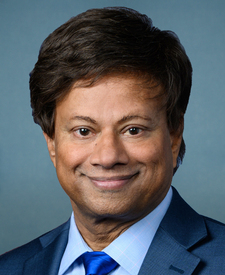
Mr. Thanedar (for himself and Mrs. Grijalva) introduced the following …
Stakeholder Effects
cui bono?How this legislation distributes effects. Mention counts reflect frequency, not effect magnitude.
Digital Literacy and Equity Commission, Libraries, Schools
Positive-direction: Libraries, Schools, Students
Negative-direction: Digital Literacy and Equity Commission
Congress, Federal agencies
Positive-direction: Congress
Negative-direction: Federal agencies
Bill Structure & Actor Mappings
Who is "The Secretary" in each section?
We use a combination of our own taxonomy and classification in addition to large language models to assess meaning and potential beneficiaries. High confidence means strong textual evidence. Always verify with the original bill text.
Learn more about our methodology