To authorize the Secretary of Health and Human Services to award grants to establish or expand programs to implement evidence-aligned practices in health care settings for the purpose of reducing the suicide rates of covered individuals, and for other purposes.
Analysis under review: This bill has generated analysis that may be too generic or incomplete. Clause-level evidence remains available below.
Summary
What This Bill Does
This bill, To authorize the Secretary of Health and Human Services to award grants to establish or expand programs to implement evidence-aligned practices in health care settings for the purpose of reducing the suicide rates of covered individuals, and for other purposes., changes federal law or congressional policy affecting health care providers and patients. The main policy domain is Healthcare, Education, Government Operations.
Who Benefits and How
health care providers and patients may benefit from new authority, funding, eligibility, regulatory clarity, or reduced risk created by the bill.
Who Bears the Burden and How
federal implementing agencies, health care providers and patients may take on implementation duties, reporting obligations, compliance costs, or oversight responsibilities.
Key Provisions
- Section HCFF5B5EDB93D4BD785EEF6DA4F2594ED: 1. Short title This Act may be cited as the Child Suicide Prevention and Lethal Means Safety Act.
- Section HDF01B2C44EBD4FC5B9DB1C00F456E938: 2. Grant program to address youth suicide and lethal means Beginning not later than 1 year after the date of the enactment of this Act, the Secretary shall...
- Section H8192C60F166049BD89461B926E1B2B06: 3. Grant program to develop and integrate suicide prevention and lethal means safety curricula Beginning not later than 1 year after the date of the enactment...
- Section HB2FFF979A0064971809DD949A5C1D38D: 4. Informational website Not later than 1 year after the date of the enactment of this Act, the Secretary shall develop and maintain a website to inform...
- Section HFC0937E7916B496B869A19020B3418DE: 5. Definitions In this Act: The term covered individual means an individual who has not attained 26 years of age. The term covered risk factors means factors...
Evidence Chain:
This summary is generated from the full bill text using AI analysis. Expand "Detailed Analysis" below for identified beneficiaries/burden bearers with clause-level evidence links.
At a Glance
What This Bill Does
This bill, To authorize the Secretary of Health and Human Services to award grants to establish or expand programs to implement evidence-aligned practices in health care settings for the purpose of reducing the suicide rates of covered individuals, and for other purposes., changes federal law or congressional policy affecting health care providers and patients.
Key Policy Areas
Healthcare, Education, Government Operations
Primary Purpose
This bill, To authorize the Secretary of Health and Human Services to award grants to establish or expand programs to implement evidence-aligned practices in health care settings for the purpose of reducing the suicide rates of covered individuals, and for other purposes., changes federal law or congressional policy affecting health care providers and patients.
Policy Domains
Whole bill
Identified Gains
- health care providers and patients
Identified Costs
- federal implementing agencies
- health care providers and patients
Sponsors

Legislative Progress
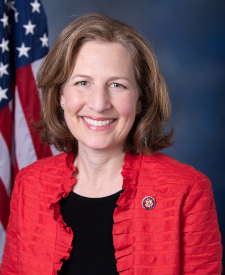
IntroducedMs. Underwood (for herself and Ms. Schrier) introduced the following …
Impact analysis is available but no clear stakeholder effects identified. View clause-level analysis →
Bill Structure & Actor Mappings
Who is "The Secretary" in each section?
- "secretary_of_health_and_human_services"
- → Secretary of Health and Human Services
Key Definitions
Terms defined in this bill
the Secretary of Health and Human Services. The term secure storage or safety device has the meaning given to such term in subparagraphs (A) and (B) of section 921(a)(34) of title 18, United States Code. The term State means— each of the 50 States
We use a combination of our own taxonomy and classification in addition to large language models to assess meaning and potential beneficiaries. High confidence means strong textual evidence. Always verify with the original bill text.
Learn more about our methodology