VOTE Act
Summary
What This Bill Does
The Voter Outreach for Transparent Elections Act, or VOTE Act, creates minimum notice rules when a state changes a registered voter's assigned polling place for a federal election. If the new polling place is different from the one assigned for the most recent federal election in which the voter was eligible, the state must notify the voter of the new location at least seven days before election day.
The appropriate election official must also post a general notice on the state or jurisdiction website, on social media platforms if available, and on signs at the prior polling place. If a voter is reassigned fewer than seven days before election day and appears at the previous polling place, the state must make every reasonable effort to enable that individual to vote. Notice must be sent by mail, telephone, and, if available, text message and email.
For states or jurisdictions that use vote centers rather than assigning voters to one specific polling place, the bill requires notice of vote-center locations no later than two days before the beginning of early voting for the election.
Who Benefits and How
Registered voters reassigned to new polling places benefit from direct notice before election day and from reasonable-effort protections if a late reassignment sends them to the wrong location. Vote center voters benefit from advance notice of all vote-center locations before early voting starts. Voter assistance organizations benefit from website, social media, and prior-location notices that make it easier to guide voters. Election-day poll workers benefit from clearer rules for handling voters who appear at their previous polling place after a late change.
Who Bears the Burden and How
State election officials must identify affected registered voters, send individualized notices, and make every reasonable effort to enable voting after late changes. Local election officials must post signs at prior polling places and update jurisdiction websites and social media when available. Election communications staff must manage mail, telephone, text, and email notices. Jurisdictions using vote centers must publish vote-center locations at least two days before early voting. Election administrators may face compliance risk if polling-place changes are not communicated on time.
Key Provisions
- Requires states to notify registered voters at least seven days before a federal-election polling-place reassignment.
- Requires general notices on state or jurisdiction websites, available social media platforms, and signs at prior polling places.
- Requires reasonable efforts to let late-reassigned voters cast ballots when they appear at the previous polling place.
- Requires individual notices by mail, telephone, text message if available, and email if available.
- Requires jurisdictions using vote centers to notify voters of vote-center locations before early voting begins.
Evidence Chain:
This summary is generated from the full bill text using AI analysis. Expand "Detailed Analysis" below for identified beneficiaries/burden bearers with clause-level evidence links.
At a Glance
What This Bill Does
Amends the Help America Vote Act to require states to notify registered voters before federal-election polling-place changes, post public notices on election websites, social media, and prior polling-place signs, make every reasonable effort to let late-reassigned voters cast ballots, and notify vote-center voters before early voting starts.
Key Policy Areas
Elections, Voting Rights, State Administration
Primary Purpose
Amends the Help America Vote Act to require states to notify registered voters before federal-election polling-place changes, post public notices on election websites, social media, and prior polling-place signs, make every reasonable effort to let late-reassigned voters cast ballots, and notify vote-center voters before early voting starts.
Policy Domains
House resolution provisions
Identified Gains
- Registered voters reassigned to new polling places
- Vote center voters
- Voter assistance organizations
- Election-day poll workers
Identified Costs
- State election officials
- Local election officials
- Election communications staff
- Vote center jurisdictions
- Election administrators
Sponsors

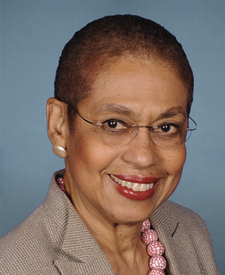
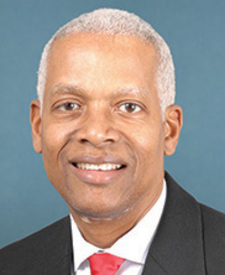
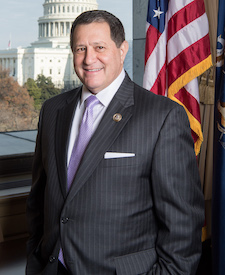
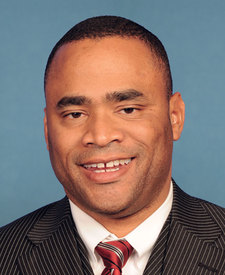
Legislative Progress
ReportedOrdered to be Reported in the Nature of a Substitute …
Committee Consideration and Mark-up Session Held
Referred to the House Committee on House Administration.
Introduced in House
Ms. Johnson of Texas (for herself, Mr. Morelle, Ms. Norton, …
Stakeholder Effects
cui bono?How this legislation distributes effects. Mention counts reflect frequency, not effect magnitude.
Election communications staff, Local election officials, State election officials
Registered voters reassigned to new polling places, Vote center voters
Bill Structure & Actor Mappings
Who is "The Secretary" in each section?
- "state"
- → State election officials
- "appropriate_election_official"
- → Local election officials responsible for notice posting
We use a combination of our own taxonomy and classification in addition to large language models to assess meaning and potential beneficiaries. High confidence means strong textual evidence. Always verify with the original bill text.
Learn more about our methodology