Protecting Local Zoos Act of 2026
Summary
What This Bill Does
The Protecting Local Zoos Act of 2026 changes the Lacey Act Amendments of 1981 rules for prohibited wildlife species. It adds entities licensed by USDA under a Class B license to the exception framework for holding animals, expands covered personnel to include owners, executives, volunteers, veterinary assistants, veterinary technicians, and other medical professionals, and removes snow leopards from one part of the existing text. It adds a new exception for a person already described in the existing exempt categories who possesses prohibited wildlife species, registers each animal with the United States Fish and Wildlife Service, and after registration does not breed, acquire, sell, allow direct public contact with, or publicly exhibit the animals. It allows compliant entities or facilities described in the exhibition exception to import from or export to authorized and lawfully operating foreign entities. It creates an application process for a covered registered entity or individual to cancel a mistaken registration if evidence shows the person qualified for an exception when registered and still qualifies when applying. The Fish and Wildlife Service Director must grant the application if the evidence supports qualification. Finally, it excludes snow leopards, clouded leopards, and hybrids of either from the prohibited wildlife species definition.
Who Benefits and How
Local zoos, USDA Class B licensed animal holders, wildlife exhibitors, zoo owners, executives, volunteers, veterinary assistants, veterinary technicians, and compliant foreign facilities benefit from broader statutory exceptions, import-export authority, and a path to cancel mistaken registrations. Facilities holding snow leopards or clouded leopards benefit because those species and hybrids are removed from the prohibited wildlife species definition. The Fish and Wildlife Service benefits from a registration cancellation process with evidence requirements.
Who Bears the Burden and How
United States Fish and Wildlife Service staff must process registrations, cancellation applications, evidence determinations, and import-export oversight. Captive wildlife holders that use the possession exception must register each animal and stop breeding, acquiring, selling, direct public contact, and public exhibition after registration. Animal welfare advocates may see increased concern if more entities qualify for exceptions or cross-border transfers. Foreign facilities must prove lawful authorization and operation in their country. Public-contact businesses lose the ability to use the exception if they allow direct contact.
Key Provisions
- Adds USDA Class B licensed animal holders to the Lacey Act captive-wildlife exception framework.
- Expands covered facility personnel to owners, executives, volunteers, veterinary assistants, veterinary technicians, and other medical professionals.
- Creates a registration-based possession exception that bars breeding, acquisition, sale, public contact, and public exhibition after registration.
- Allows compliant facilities to import from or export to authorized lawful foreign entities.
- Creates an application process to cancel mistaken Fish and Wildlife Service registrations.
- Excludes snow leopards, clouded leopards, and hybrids from the prohibited wildlife species definition.
Evidence Chain:
This summary is generated from the full bill text using AI analysis. Expand "Detailed Analysis" below for identified beneficiaries/burden bearers with clause-level evidence links.
At a Glance
What This Bill Does
Amends captive-wildlife provisions of the Lacey Act to broaden exceptions for USDA Class B licensed animal holders and personnel, allow compliant facilities to import or export prohibited wildlife species with lawful foreign entities, create a mistaken-registration cancellation process, and exclude snow leopards and clouded leopards from the prohibited wildlife species definition.
Key Policy Areas
Environment, Agriculture, Trade
Primary Purpose
Amends captive-wildlife provisions of the Lacey Act to broaden exceptions for USDA Class B licensed animal holders and personnel, allow compliant facilities to import or export prohibited wildlife species with lawful foreign entities, create a mistaken-registration cancellation process, and exclude snow leopards and clouded leopards from the prohibited wildlife species definition.
Policy Domains
Substantive provisions
Identified Gains
- Local zoos
- USDA Class B license holders
- Wildlife exhibitors
- Zoo veterinary staff
- Compliant foreign facilities
- Snow leopard holders
- Clouded leopard holders
Identified Costs
- Fish and Wildlife Service staff
- Captive wildlife holders
- Animal welfare advocates
- Foreign facilities
- Public-contact exhibitors
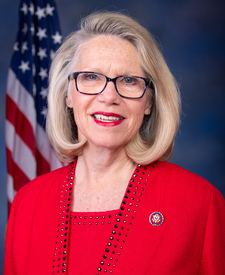
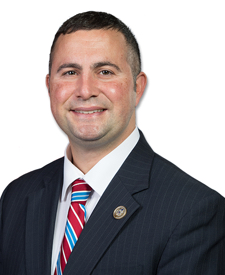
Sponsors

Legislative Progress
In CommitteeSubcommittee Hearings Held
Referred to the Subcommittee on Water, Wildlife and Fisheries.
Mr. Gosar introduced the following bill; which was referred to …
Referred to the House Committee on Natural Resources.
Introduced in House
Stakeholder Effects
cui bono?How this legislation distributes effects. Mention counts reflect frequency, not effect magnitude.
Captive wildlife holders, Local zoos, Wildlife exhibitors
Positive-direction: Local zoos, Wildlife exhibitors
Negative-direction: Captive wildlife holders
Bill Structure & Actor Mappings
Who is "The Secretary" in each section?
We use a combination of our own taxonomy and classification in addition to large language models to assess meaning and potential beneficiaries. High confidence means strong textual evidence. Always verify with the original bill text.
Learn more about our methodology