PORCUPINE Act
Summary
What This Bill Does
The PORCUPINE Act amends several Arms Export Control Act provisions so Taiwan is listed alongside NATO allies, Australia, Japan, New Zealand, Israel, and other close partners for certification, reporting, congressional-notification, cooperative project, and defense-transfer treatment. Section 2 inserts Taiwan across sections 3, 21, 36, 62, and 63 and requires the Secretary of State to report to the Senate Foreign Relations Committee and House Foreign Affairs Committee within two years and every two years thereafter on implementation and effectiveness. Section 3 directs the Secretary of State, within 90 days, to assess whether an expedited decision process can be created for third-party transfers of defense articles and services from NATO member countries, Japan, Australia, South Korea, New Zealand, or Israel to Taiwan. That assessment must cover classified and unclassified items, 15-day decisions for government-to-government export-license applications, and 30-day review completion for other licensing requests. State must brief the foreign-affairs committees within 180 days. Section 5 sunsets the Act seven years after enactment.
Who Benefits and How
Taiwan benefits from being added to Arms Export Control Act partner categories that can reduce friction in defense sales, transfers, and reporting treatment. Taiwan defense planners, allied governments, NATO members, Japan, Australia, South Korea, New Zealand, and Israel benefit from a required assessment of faster third-party transfer licensing for defense articles and services headed to Taiwan. U.S. defense manufacturers and foreign military sales participants may benefit if transfer reviews become more predictable. Congressional foreign-affairs committees benefit from recurring reports and a 180-day briefing.
Who Bears the Burden and How
The Department of State Directorate of Defense Trade Controls, State political-military staff, and export licensing reviewers must update AECA implementation, assess expedited procedures, brief Congress, and produce recurring reports. Defense exporters and allied transfer applicants still must prepare license applications and could face tighter timelines for information requests. China-facing diplomatic offices may bear foreign-policy risk from closer statutory treatment for Taiwan. Congress must monitor implementation before the seven-year sunset.
Key Provisions
- Adds Taiwan to multiple Arms Export Control Act partner lists for certification, reporting, and transfer treatment.
- Requires State Department implementation and effectiveness reports every two years.
- Directs a 90-day feasibility assessment of expedited allied defense transfers to Taiwan.
- Requires assessment of 15-day decisions for government-to-government export license applications and 30-day review completion for other licensing requests.
- Requires a briefing to the Senate Foreign Relations and House Foreign Affairs Committees within 180 days.
- Sunsets the Act seven years after enactment.
Evidence Chain:
This summary is generated from the full bill text using AI analysis. Expand "Detailed Analysis" below for identified beneficiaries/burden bearers with clause-level evidence links.
At a Glance
What This Bill Does
Adds Taiwan to Arms Export Control Act treatment that already applies to close security partners, requires recurring State Department reports on implementation, directs a feasibility assessment for expedited allied defense transfers to Taiwan, and sunsets the Act after seven years.
Key Policy Areas
Defense, Foreign Affairs, Trade
Primary Purpose
Adds Taiwan to Arms Export Control Act treatment that already applies to close security partners, requires recurring State Department reports on implementation, directs a feasibility assessment for expedited allied defense transfers to Taiwan, and sunsets the Act after seven years.
Policy Domains
Substantive provisions
Identified Gains
- Taiwan defense planners
- Allied defense ministries
- U.S. defense manufacturers
- Foreign military sales participants
- Congressional foreign-affairs committees
Identified Costs
- State Department licensing reviewers
- Defense exporters
- Allied transfer applicants
- China-facing diplomatic offices
- Congressional oversight staff
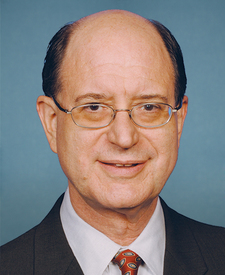
Sponsors




Legislative Progress
In CommitteeReferred to the House Committee on Foreign Affairs.
Introduced in House
Mr. Wittman (for himself, Mr. Bera, Mr. Davis of North …
Stakeholder Effects
cui bono?How this legislation distributes effects. Mention counts reflect frequency, not effect magnitude.
Allied defense ministries, Defense exporters, Foreign military sales participants
Congressional foreign-affairs committees, State Department licensing reviewers
Congressional foreign-affairs committees faces effects in multiple directions
Bill Structure & Actor Mappings
Who is "The Secretary" in each section?
We use a combination of our own taxonomy and classification in addition to large language models to assess meaning and potential beneficiaries. High confidence means strong textual evidence. Always verify with the original bill text.
Learn more about our methodology