McCarran-Ferguson Restoration Act
Summary
What This Bill Does
The McCarran-Ferguson Restoration Act eliminates the Federal Insurance Office and Director but preserves Treasury authority over insurance matters. It creates a United States Insurance Representative within Treasury within one year and authorizes hiring insurance experts. The Representative coordinates federal policy on prudential international insurance matters, represents Treasury at the International Association of Insurance Supervisors, assists with covered agreements, determines whether state insurance measures are preempted by covered agreements, assists the Terrorism Insurance Program, consults with state insurance regulators, and advises Treasury. The role covers prudential aspects of insurance and reinsurance except health insurance, most long-term care insurance, and crop insurance. State insurance measures can be preempted only when they treat covered foreign insurers less favorably than U.S. insurers and conflict with a covered agreement, after state consultation, USTR consultation, Federal Register notice, written comments, state and congressional notification, a delay of at least 30 days, APA procedures, and de novo judicial review. The bill protects state rate, premium, underwriting, sales, coverage, antitrust, capital, and solvency authority except for the covered-agreement conflict rule.
Who Benefits and How
State insurance regulators, U.S. insurers, international insurance negotiators, Treasury insurance experts, and terrorism insurance administrators benefit from a narrower federal office focused on prudential international matters and state consultation. Foreign insurers covered by international agreements benefit when discriminatory state measures can be preempted after process.
Who Bears the Burden and How
Treasury staff must abolish FIO, appoint the new Representative, hire experts, run notice-and-comment preemption reviews, consult USTR and states, issue regulations, report annually, and maintain international insurance coordination. State regulators and insurers must participate in consultations and may face federal preemption when state prudential measures conflict with covered agreements.
Key Provisions
- Eliminates the Federal Insurance Office and the Director of the Federal Insurance Office.
- Creates a United States Insurance Representative within Treasury within one year.
- Limits the Representative to prudential international insurance matters while excluding health, most long-term care, and crop insurance.
- Requires notice, consultation, comment, congressional notification, and APA review before covered-agreement preemption of state insurance measures.
- Protects state insurance authority over rates, premiums, underwriting, sales practices, coverage requirements, antitrust, capital, and solvency except for narrow covered-agreement conflicts.
- Requires annual preemption reports and an international insurance competitiveness study.
Evidence Chain:
This summary is generated from the full bill text using AI analysis. Expand "Detailed Analysis" below for identified beneficiaries/burden bearers with clause-level evidence links.
At a Glance
What This Bill Does
Eliminates Treasury's Federal Insurance Office and replaces it with a United States Insurance Representative focused on international prudential insurance policy, covered agreements, limited state-measure preemption, terrorism insurance support, state-regulator consultation, and annual reports.
Key Policy Areas
Financial Services, Government, Trade
Primary Purpose
Eliminates Treasury's Federal Insurance Office and replaces it with a United States Insurance Representative focused on international prudential insurance policy, covered agreements, limited state-measure preemption, terrorism insurance support, state-regulator consultation, and annual reports.
Policy Domains
Substantive provisions
Identified Gains
- State insurance regulators
- U.S. insurers
- Treasury insurance experts
- Terrorism Insurance Program staff
- Foreign insurers covered by agreements
Identified Costs
- Federal Insurance Office staff
- Treasury Department leadership
- State regulators facing preemption reviews
- Insurance companies in covered agreement disputes
- USTR consultation staff
Sponsors

Legislative Progress
In CommitteeReferred to the House Committee on Financial Services.
Introduced in House
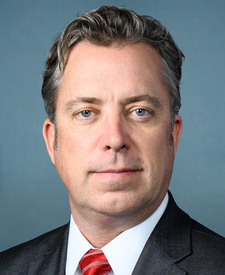
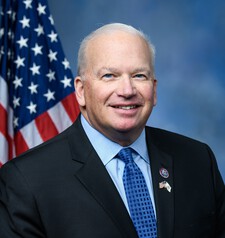
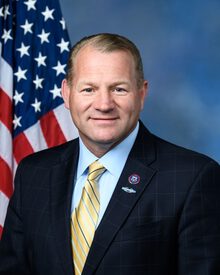
Mr. Downing (for himself, Mr. Fitzgerald, and Mr. Ogles) introduced …
Stakeholder Effects
cui bono?How this legislation distributes effects. Mention counts reflect frequency, not effect magnitude.
Foreign insurers covered by agreements, Insurance companies in covered agreement disputes, International insurance negotiators
Positive-direction: Foreign insurers covered by agreements, International insurance negotiators
Negative-direction: State insurance regulators
Treasury Department leadership, United States Insurance Representative staff
Bill Structure & Actor Mappings
Who is "The Secretary" in each section?
We use a combination of our own taxonomy and classification in addition to large language models to assess meaning and potential beneficiaries. High confidence means strong textual evidence. Always verify with the original bill text.
Learn more about our methodology