Small Business Child Care Investment Act
Summary
What This Bill Does
The Small Business Child Care Investment Act amends the Small Business Act so covered nonprofit child care providers can access SBA 7(a) loans and financings as if they were small business concerns. A covered provider must be licensed under state child care rules, be a 501(c)(3) tax-exempt organization, primarily provide child care from birth to compulsory school age, meet applicable size standards, ensure employees and regular volunteers comply with Child Care and Development Block Grant criminal background checks, and certify nondiscrimination in business practices and public services, subject to federal-law exemptions. Providers may also serve school-age children outside school hours or the school year and offer preschool or prekindergarten programs. Loans must be made with banks, certified development companies, or other financial institutions on a deferred participation basis; SBA may not make direct loans or immediate participation agreements. A provider seeking more than $500,000 must obtain a timely-payment guarantee from another person or entity. SBA also may not deny eligibility solely because the provider is associated with a First Amendment-protected entity.
Who Benefits and How
Nonprofit child care centers, Head Start-adjacent nonprofits, preschool providers, parents needing child care capacity, child care workers, SBA lenders, certified development companies, and communities with child care shortages benefit because qualifying nonprofits gain access to 7(a) financing for expansion, facilities, equipment, or operations. Religious or advocacy-associated child care nonprofits benefit from the First Amendment association protection.
Who Bears the Burden and How
The Small Business Administration, banks, certified development companies, loan guarantors, nonprofit child care boards, and compliance staff must verify licensing, 501(c)(3) status, size standards, background checks, nondiscrimination certification, deferred-participation lending, and guarantees for loans above $500,000. Federal taxpayers bear SBA guarantee exposure if covered loans default.
Key Provisions
- Expands SBA 7(a) loan eligibility to qualifying nonprofit child care providers.
- Requires covered providers to meet state licensing, 501(c)(3), size-standard, background-check, and nondiscrimination conditions.
- Bars SBA direct loans and immediate participation agreements for covered nonprofit child care providers.
- Requires a timely-payment guarantee from another person or entity for covered loans above $500,000.
- Protects eligibility for providers associated with First Amendment-protected entities.
Evidence Chain:
This summary is generated from the full bill text using AI analysis. Expand "Detailed Analysis" below for identified beneficiaries/burden bearers with clause-level evidence links.
At a Glance
What This Bill Does
Deems qualifying 501(c)(3) nonprofit child care providers to be small business concerns for SBA 7(a) loans, while imposing licensing, size, background-check, nondiscrimination, indirect-lending, and large-loan guarantee requirements.
Key Policy Areas
Small Business, Social Services, Financial Services
Primary Purpose
Deems qualifying 501(c)(3) nonprofit child care providers to be small business concerns for SBA 7(a) loans, while imposing licensing, size, background-check, nondiscrimination, indirect-lending, and large-loan guarantee requirements.
Policy Domains
Substantive provisions
Identified Gains
- Nonprofit child care centers
- Preschool providers
- Parents needing child care capacity
- Child care workers
- SBA lenders
- Certified development companies
Identified Costs
- Small Business Administration staff
- Loan guarantors
- Nonprofit child care boards
- Compliance staff
- Federal taxpayers
Sponsors
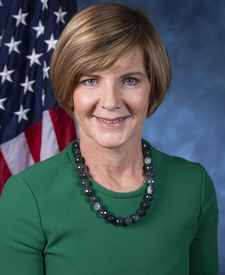
Susie Lee
D-NV | Primary Sponsor
Legislative Progress
In CommitteeReferred to the House Committee on Small Business.
Introduced in House
Ms. Lee of Nevada (for herself and Mr. Stauber) introduced …
Stakeholder Effects
cui bono?How this legislation distributes effects. Mention counts reflect frequency, not effect magnitude.
Bill Structure & Actor Mappings
Who is "The Secretary" in each section?
We use a combination of our own taxonomy and classification in addition to large language models to assess meaning and potential beneficiaries. High confidence means strong textual evidence. Always verify with the original bill text.
Learn more about our methodology