Waste Heat to Wattage Act of 2026
Summary
What This Bill Does
The Waste Heat to Wattage Act of 2026 amends the Farm Security and Rural Investment Act definition of renewable energy system and renewable energy source. It adds waste energy recovery and defines that term as heat or pressure from a commercial, residential, or industrial process that would otherwise be vented, released, throttled, dissipated, or discharged and is recovered as the sole input for another purpose or process that generates electricity. The definition specifically includes waste heat to power systems and waste pressure to power systems. By placing these systems inside the renewable-energy definition, the bill makes them part of the statutory framework used by USDA rural energy programs and related Farm Bill energy authorities.
Who Benefits and How
Waste heat to power developers, waste pressure to power developers, manufacturers with recoverable process heat, pipeline or industrial facilities with recoverable pressure, rural energy grant applicants, and renewable energy project developers benefit because waste energy recovery would qualify as a renewable energy system or source. USDA Rural Development staff benefit from clearer eligibility language when reviewing applications involving industrial efficiency and power generation from otherwise wasted heat or pressure.
Who Bears the Burden and How
USDA Rural Development staff must update guidance, forms, eligibility review, and technical evaluation criteria to recognize waste energy recovery. Competing renewable energy applicants may face more competition for limited program funds if waste heat and waste pressure projects become eligible. Industrial facilities applying for support must document that recovered heat or pressure would otherwise be wasted and that it is the sole input for the electricity-generating process.
Key Provisions
- Amends Farm Security and Rural Investment Act renewable energy definitions.
- Adds waste energy recovery as a renewable energy system or source.
- Defines waste energy recovery to cover otherwise wasted heat or pressure recovered for electricity generation.
- Includes waste heat to power systems and waste pressure to power systems.
- Applies the definition to commercial, residential, and industrial processes.
Evidence Chain:
This summary is generated from the full bill text using AI analysis. Expand "Detailed Analysis" below for identified beneficiaries/burden bearers with clause-level evidence links.
At a Glance
What This Bill Does
Makes waste energy recovery an eligible renewable energy system or source under the Farm Security and Rural Investment Act by adding waste heat to power and waste pressure to power systems to the statutory definition.
Key Policy Areas
Energy, Agriculture, Manufacturing
Primary Purpose
Makes waste energy recovery an eligible renewable energy system or source under the Farm Security and Rural Investment Act by adding waste heat to power and waste pressure to power systems to the statutory definition.
Policy Domains
Substantive provisions
Identified Gains
- Waste heat to power developers
- Waste pressure to power developers
- Industrial facilities with waste heat
- Rural energy grant applicants
- Renewable energy project developers
- USDA Rural Development staff
Identified Costs
- USDA Rural Development eligibility staff
- Competing renewable energy applicants
- Industrial facilities documenting recovery systems
Sponsors

Legislative Progress
In CommitteeReferred to the Subcommittee on Commodity Markets, Digital Assets, and …
Referred to the House Committee on Agriculture.
Introduced in House
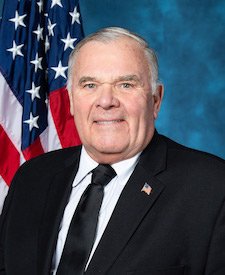
Mr. Vasquez (for himself and Mr. Baird) introduced the following …
Stakeholder Effects
cui bono?How this legislation distributes effects. Mention counts reflect frequency, not effect magnitude.
Competing renewable energy applicants, Waste heat to power developers, Waste pressure to power developers
Positive-direction: Waste heat to power developers, Waste pressure to power developers
Negative-direction: Competing renewable energy applicants
Bill Structure & Actor Mappings
Who is "The Secretary" in each section?
We use a combination of our own taxonomy and classification in addition to large language models to assess meaning and potential beneficiaries. High confidence means strong textual evidence. Always verify with the original bill text.
Learn more about our methodology