FAIR Justice Act
Summary
What This Bill Does
The FAIR Justice Act adds a new 18 U.S.C. 227A offense aimed at political interference in criminal enforcement. Covered officials include the President, Vice President, Executive Office of the President employees, Executive Office of the Vice President employees, and the highest-level federal officers listed in 5 U.S.C. 5312 other than the Attorney General. Those officials could not knowingly request that the Department of Justice investigate or prosecute a particular person when the request is selective and made solely because of political preference, animus, or another political motive. DOJ officers and employees who receive or reasonably believe they received such a request must report it to the DOJ Inspector General within 45 days. Violations carry a fine, imprisonment for up to five years, or both.
Who Benefits and How
Individuals targeted for politically motivated investigation, civil liberties groups, Justice Department career staff, DOJ Inspector General staff, and federal courts benefit from a clearer statutory boundary against selective political prosecutions. DOJ employees benefit from a defined reporting channel and deadline when a covered senior official pressures the Department to pursue a named person for political reasons.
Who Bears the Burden and How
Presidents, Vice Presidents, White House staff, Cabinet-level officials, and other covered senior officials face criminal exposure if they request a selective DOJ case solely for political reasons. DOJ employees must evaluate covered communications, report suspect requests within 45 days, and preserve enough detail for Inspector General review. DOJ Inspector General staff must receive, investigate, and document reports, and federal prosecutors and courts must apply the new criminal standard.
Key Provisions
- Creates a new 18 U.S.C. 227A offense for politically motivated requests for DOJ investigations or prosecutions.
- Bars covered senior executive officials from making selective requests solely because of political motive.
- Requires DOJ officers and employees to report prohibited or reasonably suspected requests to the DOJ Inspector General within 45 days.
- Adds criminal penalties of a fine, up to five years of imprisonment, or both.
- Adds the new offense to the title 18 table of sections.
Evidence Chain:
This summary is generated from the full bill text using AI analysis. Expand "Detailed Analysis" below for identified beneficiaries/burden bearers with clause-level evidence links.
At a Glance
What This Bill Does
Creates a federal criminal ban on politically motivated requests by senior executive branch officials for Justice Department investigations or prosecutions, requires DOJ personnel to report prohibited requests to the Inspector General, and sets criminal penalties.
Key Policy Areas
Government, Law Enforcement
Primary Purpose
Creates a federal criminal ban on politically motivated requests by senior executive branch officials for Justice Department investigations or prosecutions, requires DOJ personnel to report prohibited requests to the Inspector General, and sets criminal penalties.
Policy Domains
Substantive provisions
Identified Gains
- Individuals facing politically motivated prosecution
- Justice Department career staff
- DOJ Inspector General staff
- Civil liberties groups
- Federal courts
Identified Costs
- President of the United States
- Vice President of the United States
- Executive Office staff
- Cabinet-level officials
- DOJ employees receiving requests
- Federal prosecutors
Sponsors
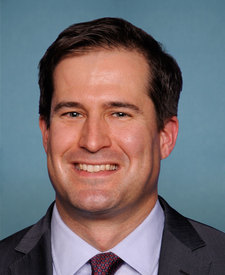
Legislative Progress
In CommitteeReferred to the House Committee on the Judiciary.
Introduced in House
Mr. Moulton introduced the following bill; which was referred to …
Stakeholder Effects
cui bono?How this legislation distributes effects. Mention counts reflect frequency, not effect magnitude.
DOJ Inspector General staff, Executive Office staff, Federal courts
Individuals facing politically motivated prosecution
Bill Structure & Actor Mappings
Who is "The Secretary" in each section?
We use a combination of our own taxonomy and classification in addition to large language models to assess meaning and potential beneficiaries. High confidence means strong textual evidence. Always verify with the original bill text.
Learn more about our methodology