Conflict Prevention Act
Summary
What This Bill Does
The Conflict Prevention Act establishes a conflict-analysis function inside the Department of State. It creates a Director for Conflict Analysis, Planning, and Prevention responsible to the Secretary of State through the Under Secretary for Political Affairs. The Director supports conflict prevention, mitigation, negotiations, policy options, and expertise for the Under Secretary and regional assistant secretaries. The Director and Center may develop analytic methodologies, data, and tools; produce conflict trend assessments; forecast potential violent-conflict hotspots in foreign countries; conduct in-depth conflict-dynamics analysis; advise regional bureaus on program goals and burden-sharing with foreign partners; provide quantifiable metrics for resource use; support peace processes, mediation, implementation, and monitoring; coordinate Global Fragility Act implementation when directed; run strategic gaming, red-team, and table-top exercises; and support Foreign Service officer training on conflict prevention and mediation, including Elie Wiesel Act training. The Center is led by the Director, disseminates analytic products across State and the U.S. Government, and can include up to 20 full-time Department employees, including a deployable contingent for embassies in conflict-affected or at-risk regions.
Who Benefits and How
The Under Secretary for Political Affairs, State Department regional bureaus, Assistant Secretaries, chiefs of mission, embassy teams in conflict-affected regions, Foreign Service officers, and U.S. national security planners benefit from dedicated forecasting, analysis, metrics, training, and mediation support. Foreign partners and peace-process participants may benefit when U.S. diplomats have better conflict-dynamics analysis and burden-sharing strategies. Congress and oversight staff benefit indirectly from a defined State Department office responsible for conflict prevention capacity.
Who Bears the Burden and How
The Department of State must staff, manage, and integrate a new Director and Center with up to 20 full-time employees. Center analysts must produce assessments, forecasting, metrics, strategic gaming, red-team exercises, and deployable support. Regional bureaus, functional bureaus, and chiefs of mission must consume and coordinate with the analytic products. Federal taxpayers bear personnel and operating costs. Embassy teams may need to host temporary deployments and incorporate Center recommendations into country strategies.
Key Provisions
- Creates a Director for Conflict Analysis, Planning, and Prevention in the Department of State.
- Establishes a Center for Conflict Analysis, Planning, and Prevention led by the Director.
- Requires conflict forecasting, trend assessments, policy options, mediation support, metrics, and analytic tools.
- Authorizes Global Fragility Act coordination, strategic gaming, red-team exercises, and table-top exercises.
- Supports Foreign Service officer training on conflict prevention and mediation skills.
- Limits the Center to not more than 20 full-time Department employees, including deployable embassy support staff.
Evidence Chain:
This summary is generated from the full bill text using AI analysis. Expand "Detailed Analysis" below for identified beneficiaries/burden bearers with clause-level evidence links.
At a Glance
What This Bill Does
Creates a State Department Director and Center for Conflict Analysis, Planning, and Prevention to provide conflict forecasting, trend assessments, analytic tools, mediation support, Global Fragility Act coordination, red-team exercises, and Foreign Service training support, with up to 20 Department employees including deployable embassy support staff.
Key Policy Areas
Foreign Affairs, National Security, Government
Primary Purpose
Creates a State Department Director and Center for Conflict Analysis, Planning, and Prevention to provide conflict forecasting, trend assessments, analytic tools, mediation support, Global Fragility Act coordination, red-team exercises, and Foreign Service training support, with up to 20 Department employees including deployable embassy support staff.
Policy Domains
Substantive provisions
Identified Gains
- Under Secretary for Political Affairs
- State Department regional bureaus
- Assistant Secretaries
- Chiefs of mission
- Foreign Service officers
- Embassy teams in conflict regions
- U.S. national security planners
Identified Costs
- State Department management staff
- Center conflict analysts
- Regional bureau staff
- Functional bureau staff
- Federal taxpayers
- Embassy administrative teams
Sponsors

Legislative Progress
ReportedOrdered to be Reported by the Yeas and Nays: 42 …
Committee Consideration and Mark-up Session Held
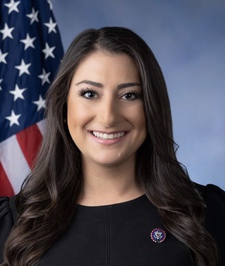
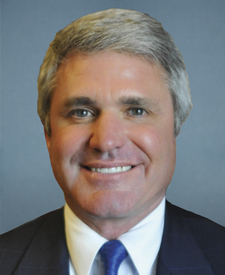
Ms. Jacobs (for herself and Mr. McCaul) introduced the following …
Referred to the House Committee on Foreign Affairs.
Introduced in House
Stakeholder Effects
cui bono?How this legislation distributes effects. Mention counts reflect frequency, not effect magnitude.
Center conflict analysts, Chiefs of mission, Foreign Service officers
Positive-direction: Chiefs of mission, Foreign Service officers, State Department regional bureaus, Under Secretary for Political Affairs
Negative-direction: Center conflict analysts
Bill Structure & Actor Mappings
Who is "The Secretary" in each section?
We use a combination of our own taxonomy and classification in addition to large language models to assess meaning and potential beneficiaries. High confidence means strong textual evidence. Always verify with the original bill text.
Learn more about our methodology