Making National Parks Safer Act
Summary
What This Bill Does
The Making National Parks Safer Act focuses on emergency communications in National Park System units. It defines emergency communications centers, interoperability, Next Generation 9-1-1, appropriate congressional committees, and the Secretary. Within one year after enactment, the Interior Secretary, acting through the National Park Service, must assess emergency communications centers in parks to identify the status of Next Generation 9-1-1 implementation, estimated purchase costs for centers that have not begun implementation, and estimated maintenance and operating costs across all park emergency communications centers. When the assessment is complete, Interior must submit a report to the Senate Energy and Natural Resources Committee and House Natural Resources Committee and publish it on the Department website. The report must identify jurisdictional, technological, legal-authority, and legal-agreement issues affecting implementation. Within one year after that report, the Secretary must develop a plan to install Next Generation 9-1-1 systems at identified park emergency communications centers, consulting with State and local emergency operations officials, stakeholders selected by park superintendents, Commerce, Transportation, and the FCC. Parks where sufficient systems are installed or being installed can be excluded.
Who Benefits and How
National park visitors, park employees, emergency callers, emergency responders, dispatchers, and gateway communities benefit if parks can receive, process, share, and route 9-1-1 data more reliably. National Park Service superintendents and emergency communications staff benefit from a systemwide assessment of costs, gaps, jurisdictional barriers, technology issues, and legal agreements. Congress benefits from a public report and implementation plan before funding or oversight decisions.
Who Bears the Burden and How
Interior and National Park Service staff must inventory emergency communications centers, estimate purchase, operation, and maintenance costs, publish a report, and create an installation plan. Park superintendents must identify relevant stakeholders and judge whether existing systems are sufficient. State and local emergency operations officials, Commerce, Transportation, and FCC staff must participate in interoperability consultations. Federal taxpayers may bear future costs for Next Generation 9-1-1 equipment, maintenance, and operations.
Key Provisions
- Defines emergency communications centers, interoperability, Next Generation 9-1-1, and covered committees.
- Requires Interior to assess Next Generation 9-1-1 implementation status in National Park System emergency communications centers.
- Requires estimates of purchase, maintenance, and operating costs for park Next Generation 9-1-1 systems.
- Requires a public report to congressional natural resources committees identifying jurisdictional, technological, authority, and legal-agreement issues.
- Requires a plan to install Next Generation 9-1-1 systems in identified park communications centers.
- Requires consultation with State and local emergency officials, park stakeholders, Commerce, Transportation, and the FCC.
Evidence Chain:
This summary is generated from the full bill text using AI analysis. Expand "Detailed Analysis" below for identified beneficiaries/burden bearers with clause-level evidence links.
At a Glance
What This Bill Does
Requires the Interior Secretary through the National Park Service to assess emergency communications centers in national parks, report on Next Generation 9-1-1 implementation status and costs, and develop a plan to install interoperable Next Generation 9-1-1 systems with State, local, Commerce, Transportation, and FCC consultation.
Key Policy Areas
Public Lands, Telecommunications, Public Safety
Primary Purpose
Requires the Interior Secretary through the National Park Service to assess emergency communications centers in national parks, report on Next Generation 9-1-1 implementation status and costs, and develop a plan to install interoperable Next Generation 9-1-1 systems with State, local, Commerce, Transportation, and FCC consultation.
Policy Domains
Substantive provisions
Identified Gains
- National park visitors
- National Park Service employees
- Emergency callers
- Emergency responders
- Park dispatchers
- Gateway communities
- Congressional natural resources committees
Identified Costs
- Interior Department staff
- National Park Service communications staff
- Park superintendents
- State emergency operations officials
- Local emergency operations officials
- Commerce Department staff
- Transportation Department staff
- FCC staff
- Federal taxpayers
Sponsors
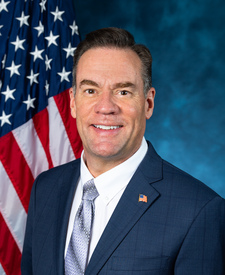

Legislative Progress
In CommitteeSubcommittee Hearings Held
Referred to the Subcommittee on Federal Lands.
Mr. Fulcher introduced the following bill; which was referred to …
Referred to the House Committee on Natural Resources.
Introduced in House
Stakeholder Effects
cui bono?How this legislation distributes effects. Mention counts reflect frequency, not effect magnitude.
National Park Service emergency communications operations
Next Generation 9-1-1 system vendors and integrators
Bill Structure & Actor Mappings
Who is "The Secretary" in each section?
We use a combination of our own taxonomy and classification in addition to large language models to assess meaning and potential beneficiaries. High confidence means strong textual evidence. Always verify with the original bill text.
Learn more about our methodology