Preventing Prosecutors from Protecting Predators Act of 2026
Summary
What This Bill Does
The Preventing Prosecutors from Protecting Predators Act of 2026 adds prosecutorial data-reporting conditions to Violence Against Women Act grants. Each chief prosecuting officer of a covered office serving at least 100,000 people and receiving funds under the relevant grant part must submit annual reports to the Attorney General. Covered offices include State, territorial, Tribal, district attorney, State's attorney, county attorney, city attorney, solicitor, or similar prosecutorial offices. Reports must cover referred cases, declined cases and reasons, defendants' prior arrests or convictions, pending cases, probation, parole, sex offender registry status, bail requests and outcomes, pretrial detention, trial convictions, plea convictions, acquittals, mistrials, dismissals, diversion or deferred prosecution, sentencing recommendations, justifications, and actual sentences. Covered offenses include rape, sexual assault, domestic violence, child abuse, sex trafficking, child pornography, incest, voyeurism, solicitation of minors, nonconsensual intimate-image distribution, and related attempts or conspiracies. The Attorney General must set uniform standards, require offense-segregated reporting, submit information to House and Senate Judiciary Committees, and publish it online. Offices that fail to report lose 25 to 50 percent of otherwise allocable funds the next fiscal year. Offices declining more than half of referred covered cases may face corrective action plans, grant conditions, and up to two fiscal years of reduced or suspended eligibility.
Who Benefits and How
Victims of sexual assault, domestic violence, child abuse, and trafficking benefit from more public visibility into prosecutorial decisions and case outcomes. Congress, the Attorney General, researchers, journalists, and community oversight groups benefit from standardized data comparing declinations, plea deals, bail, sentencing, and repeat-offender indicators across large offices. Federal grant administrators gain leverage to require reporting and corrective action.
Who Bears the Burden and How
Covered prosecutors' offices must collect detailed annual case data, explain declinations and dismissals, track defendant histories, organize reports by covered offense, and face public scrutiny. Offices that miss reports risk losing 25 to 50 percent of grant funds, and offices with high declination rates may need corrective action plans or lose eligibility for up to two fiscal years. DOJ staff must define uniform standards, process reports, publish data, send it to Congress, withhold funds, and monitor compliance.
Key Provisions
- Requires annual prosecutorial reports from large covered offices receiving VAWA-related grant funds.
- Requires data on referrals, declinations, bail, plea agreements, trial outcomes, dismissals, diversion, sentencing, and defendant histories.
- Defines covered offenses to include sexual assault, domestic violence, child abuse, sex trafficking, child pornography, and related offenses.
- Directs the Attorney General to set uniform standards, publish data online, and submit information to Judiciary Committees.
- Authorizes grant withholding, corrective action plans, grant conditions, and future eligibility reductions for nonreporting or high declination rates.
Evidence Chain:
This summary is generated from the full bill text using AI analysis. Expand "Detailed Analysis" below for identified beneficiaries/burden bearers with clause-level evidence links.
At a Glance
What This Bill Does
Requires large prosecutors' offices receiving Violence Against Women Act grants to report annual case, declination, bail, plea, conviction, dismissal, diversion, sentencing, and defendant-history data for covered violent and sex offenses, with Attorney General publication, Judiciary Committee submission, grant withholding for nonreporting, and corrective action for high declination rates.
Key Policy Areas
Law Enforcement, Social Services, Government
Primary Purpose
Requires large prosecutors' offices receiving Violence Against Women Act grants to report annual case, declination, bail, plea, conviction, dismissal, diversion, sentencing, and defendant-history data for covered violent and sex offenses, with Attorney General publication, Judiciary Committee submission, grant withholding for nonreporting, and corrective action for high declination rates.
Policy Domains
Substantive provisions
Identified Gains
- Victims of covered offenses
- Congressional Judiciary Committees
- DOJ grant administrators
- Researchers studying prosecution
- Journalists covering public safety
- Community oversight groups
Identified Costs
- Covered prosecutors offices
- Chief prosecuting officers
- Local prosecution data staff
- DOJ reporting staff
- Grant compliance teams
Sponsors
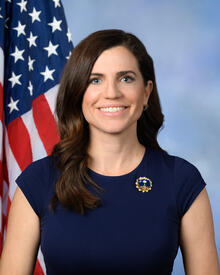
Nancy Mace
R-SC | Primary Sponsor

Legislative Progress
In CommitteeMs. Mace (for herself and Mr. Fine) introduced the following …
Referred to the House Committee on the Judiciary.
Introduced in House
Stakeholder Effects
cui bono?How this legislation distributes effects. Mention counts reflect frequency, not effect magnitude.
Chief prosecuting officers, Covered prosecutors offices, Local prosecution data staff
Congressional Judiciary Committees, DOJ grant administrators, DOJ reporting staff
Positive-direction: Congressional Judiciary Committees
Negative-direction: DOJ grant administrators, DOJ reporting staff
Bill Structure & Actor Mappings
Who is "The Secretary" in each section?
We use a combination of our own taxonomy and classification in addition to large language models to assess meaning and potential beneficiaries. High confidence means strong textual evidence. Always verify with the original bill text.
Learn more about our methodology