End Unaccountable Amnesty Act
Summary
What This Bill Does
The End Unaccountable Amnesty Act is a broad immigration-restriction bill. It amends INA section 244 so a foreign state may receive TPS only through an Act of Congress containing required findings, estimated eligible population information, immigration-status information, and an effective period of no more than 12 months. Termination and extensions would also require Acts of Congress, and lack of lawful immigration status becomes a TPS ineligibility ground. It updates references from Attorney General to Secretary of Homeland Security. The bill amends the unaccompanied-child statute so screening and return rules apply beyond contiguous-country children, requires immigration judge hearings within 14 days for certain children, changes when custody must or may transfer to HHS, requires HHS to provide DHS sponsor identity, address, immigration-status, and contact data before placement, directs DHS to start removal proceedings against unlawfully present sponsors not already in proceedings, limits government-funded counsel language, and tightens special immigrant juvenile eligibility. For air travel, TSA may not accept CBP One, Notices to Appear, or Notices to Report as valid ID, and air carriers may not operate foreign-air-transportation aircraft landing in the United States if they allow those documents for boarding. The parole title rewrites INA section 212(d)(5) to require case-by-case parole, bar class-based parole, limit urgent humanitarian reasons and significant public benefit, allow specified military-family, Cuban migration, and same-day hearing parole exceptions, restrict employment authorization, cap annual parole grants at 1,000, require public annual reports, preserve prior applications in limited ways, give financially harmed persons or governments standing to sue, and add severability.
Who Benefits and How
Members of Congress favoring immigration restrictions benefit because TPS designations, extensions, and terminations would require legislation. DHS enforcement offices benefit from narrower parole authority, sponsor data from HHS, and clearer authority to initiate sponsor removal proceedings. TSA officers and airlines benefit from an explicit list of immigration documents that cannot serve as flight ID. State or local governments claiming more than $1,000 in financial harm benefit from express standing to sue over unlawful federal implementation.
Who Bears the Burden and How
TPS applicants, TPS holders without lawful status, unaccompanied children, prospective child sponsors, humanitarian parole applicants, and people using CBP One, Notices to Appear, or Notices to Report for travel bear major burdens through eligibility bars, faster processing, added data sharing, removal risk, document rejection, parole caps, shorter parole periods, employment restrictions, and litigation risk. HHS child-placement staff, DHS parole officers, ICE personnel, immigration judges, TSA checkpoint staff, and air carrier compliance teams must update screening, custody, data-transfer, removal, ID-checking, reporting, and compliance workflows.
Key Provisions
- Requires Acts of Congress for TPS designations, extensions, and terminations and limits TPS periods to no more than 12 months.
- Adds lack of lawful immigration status as a TPS ineligibility ground.
- Requires HHS to give DHS sponsor information before unaccompanied child placements and directs DHS to initiate removal proceedings for unlawfully present sponsors.
- Prohibits TSA and covered air carriers from accepting CBP One, Notices to Appear, or Notices to Report as valid flight identification.
- Rewrites parole authority to require case-by-case decisions, limit humanitarian and public-benefit categories, cap parole grants, restrict employment, require reports, and create standing for financially harmed plaintiffs.
Evidence Chain:
This summary is generated from the full bill text using AI analysis. Expand "Detailed Analysis" below for identified beneficiaries/burden bearers with clause-level evidence links.
At a Glance
What This Bill Does
Shifts Temporary Protected Status designations, extensions, and terminations from executive action to Acts of Congress, tightens unaccompanied alien child processing and sponsor information sharing, bars TSA and air carriers from accepting specified immigration documents as flight identification, and rewrites immigration parole to narrow case-by-case humanitarian or public-benefit uses with limited exceptions, reporting, caps, standing, and severability.
Key Policy Areas
Immigration, Transportation, Law Enforcement, Defense
Primary Purpose
Shifts Temporary Protected Status designations, extensions, and terminations from executive action to Acts of Congress, tightens unaccompanied alien child processing and sponsor information sharing, bars TSA and air carriers from accepting specified immigration documents as flight identification, and rewrites immigration parole to narrow case-by-case humanitarian or public-benefit uses with limited exceptions, reporting, caps, standing, and severability.
Policy Domains
Substantive provisions
Identified Gains
- Congressional immigration lawmakers
- DHS enforcement offices
- TSA checkpoint officers
- Airline compliance departments
- State governments claiming financial harm
- Local governments claiming financial harm
Identified Costs
- TPS applicants
- TPS holders without lawful status
- Unaccompanied children
- Child sponsors
- Humanitarian parole applicants
- DHS parole officers
- HHS child-placement staff
- Immigration judges
- Air travelers using listed documents
Sponsors



Legislative Progress
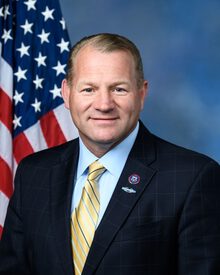
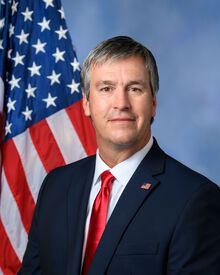
In CommitteeMr. Nehls (for himself, Mr. Tiffany, Mr. Schmidt, Mr. Biggs …
Referred to the Subcommittee on Border Security and Enforcement.
Referred to the Committee on the Judiciary, and in addition …
Introduced in House
Stakeholder Effects
cui bono?How this legislation distributes effects. Mention counts reflect frequency, not effect magnitude.
Congressional immigration lawmakers, DHS TPS adjudicators, DHS parole adjudicators
Positive-direction: Congressional immigration lawmakers
Negative-direction: DHS TPS adjudicators, DHS parole adjudicators, Federal courts hearing parole suits, HHS child-placement staff, Immigration judges
Child sponsors without lawful status, Cuban family petition beneficiaries, Humanitarian parole applicants
Positive-direction: Cuban family petition beneficiaries
Negative-direction: Child sponsors without lawful status, Humanitarian parole applicants, TPS applicants, TPS holders without lawful status
Air carrier compliance teams, Foreign air carriers, TSA checkpoint officers
Travelers using CBP One documents, Travelers using Notices to Appear, Travelers using Notices to Report
Child welfare advocates, Unaccompanied children
DHS enforcement officers, Law enforcement witnesses
Positive-direction: Law enforcement witnesses
Negative-direction: DHS enforcement officers
Children of service members, Spouses of service members
Bill Structure & Actor Mappings
Who is "The Secretary" in each section?
We use a combination of our own taxonomy and classification in addition to large language models to assess meaning and potential beneficiaries. High confidence means strong textual evidence. Always verify with the original bill text.
Learn more about our methodology