To prohibit the use of funds to use military force in or against Venezuela, and for other purposes.
Summary
What This Bill Does
This bill is a war-powers funding restriction. From enactment through December 31, 2026, federal funds may not be obligated or spent for military force in or against Venezuela unless Congress has declared war on Venezuela or enacted a later specific statutory authorization that satisfies the War Powers Resolution. The restriction does not apply to a use of force consistent with section 2(c) of the War Powers Resolution, which covers circumstances such as responding to attacks or imminent threats involving United States forces. The bill therefore shifts most Venezuela military-force decisions back to Congress unless an emergency self-defense scenario applies.
Who Benefits and How
Congress benefits because the bill protects its war-declaration and authorization role for Venezuela operations. United States service members benefit from a funding barrier against unauthorized military action. Venezuelan civilians may benefit if the restriction reduces the chance of United States military force absent congressional authorization. Anti-war and civil-liberties organizations benefit from a clear statutory hook for oversight.
Who Bears the Burden and How
The President, Defense Department, and military commanders face a funding limit on military force in or against Venezuela unless Congress acts or the War Powers self-defense exception applies. Defense budget and legal staff must ensure obligations and expenditures comply with the prohibition. Supporters of rapid military options against Venezuela may see operational flexibility reduced through the end of 2026.
Key Provisions
- Prohibits federal funds for military force in or against Venezuela through December 31, 2026.
- Allows force if Congress declares war on Venezuela.
- Allows force if Congress enacts a later specific authorization satisfying the War Powers Resolution.
- Preserves the War Powers self-defense exception for qualifying uses of force.
Evidence Chain:
This summary is generated from the full bill text using AI analysis. Expand "Detailed Analysis" below for identified beneficiaries/burden bearers with clause-level evidence links.
At a Glance
What This Bill Does
Prohibits federal funds from being used for military force in or against Venezuela through December 31, 2026 unless Congress declares war or enacts a later specific authorization satisfying the War Powers Resolution, while preserving the War Powers self-defense exception.
Key Policy Areas
Foreign Affairs, Defense, Congressional Oversight
Primary Purpose
Prohibits federal funds from being used for military force in or against Venezuela through December 31, 2026 unless Congress declares war or enacts a later specific authorization satisfying the War Powers Resolution, while preserving the War Powers self-defense exception.
Policy Domains
Substantive provisions
Identified Gains
- Congress
- United States service members
- Venezuelan civilians
- Anti-war organizations
- Civil-liberties organizations
Identified Costs
- President
- Defense Department
- Military commanders
- Defense budget staff
- Defense legal staff
- Supporters of rapid military options against Venezuela
Sponsors


Legislative Progress
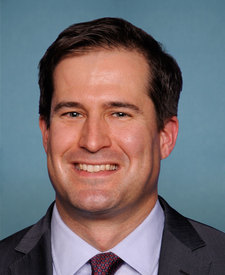
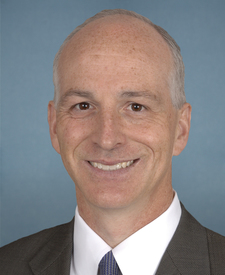
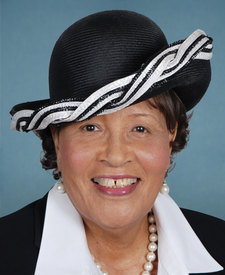
In CommitteeMr. Moulton (for himself, Mr. Smith of Washington, Mr. Meeks, …
Referred to the Committee on Foreign Affairs, and in addition …
Introduced in House
Stakeholder Effects
cui bono?How this legislation distributes effects. Mention counts reflect frequency, not effect magnitude.
Defense Department, Military commanders, United States service members
Positive-direction: United States service members
Negative-direction: Defense Department, Military commanders
Congress, President
Positive-direction: Congress
Negative-direction: President
Bill Structure & Actor Mappings
Who is "The Secretary" in each section?
We use a combination of our own taxonomy and classification in addition to large language models to assess meaning and potential beneficiaries. High confidence means strong textual evidence. Always verify with the original bill text.
Learn more about our methodology