Argentina Bailout Oversight Act
Summary
What This Bill Does
The Argentina Bailout Oversight Act creates a congressional oversight study rather than direct financial aid. GAO must study the origins of the 2025 financial crisis in Argentina, what the United States Government and International Monetary Fund knew or advised, the United States and international response, the terms and conditions of United States assistance, the statutory authority for Treasury to use the Exchange Stabilization Fund, and recovery efforts in Argentina. GAO must report to the House Financial Services Committee and Senate Banking Committee within 18 months and publish the report on the GAO website.
Who Benefits and How
House Financial Services Committee members and Senate Banking Committee members benefit from an independent record of what happened, what assistance was provided, and what authority Treasury used. Public bailout oversight advocates benefit from a published GAO report. Treasury international finance staff and IMF policy staff may benefit from clarification of the legal and policy record if the report validates their actions. Argentina government officials may benefit if the report documents recovery progress or terms of assistance accurately.
Who Bears the Burden and How
GAO auditors must gather records, analyze crisis origins, review Treasury and IMF communications, assess legal authority for Exchange Stabilization Fund use, and publish findings within 18 months. Treasury international finance staff, State Department staff, IMF officials, and Argentina government officials may need to provide information or respond to scrutiny. Federal taxpayers bear the cost of the audit and may learn about exposure from any assistance.
Key Provisions
- Requires GAO to study the origins of the 2025 financial crisis in Argentina.
- Requires review of United States Government and IMF awareness, advice, and response.
- Requires analysis of Treasury authority to use the Exchange Stabilization Fund.
- Directs GAO to report to House and Senate financial committees within 18 months.
- Requires public posting of the GAO report.
Evidence Chain:
This summary is generated from the full bill text using AI analysis. Expand "Detailed Analysis" below for identified beneficiaries/burden bearers with clause-level evidence links.
At a Glance
What This Bill Does
Requires GAO to study the 2025 financial crisis in Argentina, United States and IMF awareness and assistance, Treasury use of the Exchange Stabilization Fund, and recovery efforts in Argentina, with a report to congressional financial committees and public posting.
Key Policy Areas
Foreign Affairs, Financial Services, Government Oversight
Primary Purpose
Requires GAO to study the 2025 financial crisis in Argentina, United States and IMF awareness and assistance, Treasury use of the Exchange Stabilization Fund, and recovery efforts in Argentina, with a report to congressional financial committees and public posting.
Policy Domains
Substantive provisions
Identified Gains
- House Financial Services Committee members
- Senate Banking Committee members
- Public bailout oversight advocates
- Treasury international finance staff
- IMF policy staff
- Argentina government officials
Identified Costs
- GAO auditors
- Treasury international finance staff
- State Department staff
- IMF officials
- Argentina government officials
- Federal taxpayers
Legislative Progress
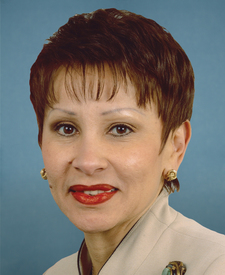
In CommitteeMs. Velázquez introduced the following bill; which was referred to …
Referred to the Committee on Financial Services, and in addition …
Introduced in House
Stakeholder Effects
cui bono?How this legislation distributes effects. Mention counts reflect frequency, not effect magnitude.
GAO auditors, House Financial Services Committee members, Senate Banking Committee members
Positive-direction: House Financial Services Committee members, Senate Banking Committee members
Negative-direction: GAO auditors, Treasury international finance staff
Bill Structure & Actor Mappings
Who is "The Secretary" in each section?
We use a combination of our own taxonomy and classification in addition to large language models to assess meaning and potential beneficiaries. High confidence means strong textual evidence. Always verify with the original bill text.
Learn more about our methodology