Honoring Family-Friendly Workplaces Act
Summary
What This Bill Does
The bill defines employee and employer by reference to the Fair Labor Standards Act and defines Secretary as the Secretary of Labor. It then requires the Secretary to establish a national certification program recognizing employers that help employees balance work and family obligations. To qualify, an employer must offer fertility or adoption assistance, at least 12 weeks of paid family leave per year for birth, adoption, foster care, serious health conditions, pregnancy, childbirth, pregnancy loss, family medical needs, and military caregiving, paid sick days separate from PTO, child-care subsidy or infant-at-work policies, flexible return-to-work hours, remote work when feasible for child-care reasons, and lactation support such as breastmilk shipping reimbursement, pumps, supplies, consultants, and amenities. Employers apply to Labor, Labor reviews applications, and Congress authorizes such sums as necessary.
Who Benefits and How
Working parents, caregivers, employees planning adoption or fertility treatment, and employers with strong benefits benefit because the certification creates a federal signal that helps workers find family-supportive workplaces and lets employers market those policies.
Who Bears the Burden and How
Labor Department certification staff, federal taxpayers, and employers seeking certification must comply with application review, program administration, benefit-cost, documentation, and eligibility requirements for paid leave, sick leave, child-care support, flexible work, and lactation assistance.
Key Provisions
- Requires the Labor Secretary to establish a national family-friendly employer certification program.
- Requires certified employers to provide 12 weeks paid family leave, separate sick days, child-care support, flexible work, and lactation support.
- Authorizes employers to apply for certification and Labor to review whether all benefit requirements are met.
- Provides open-ended appropriations authorization for program administration.
Evidence Chain:
This summary is generated from the full bill text using AI analysis. Expand "Detailed Analysis" below for identified beneficiaries/burden bearers with clause-level evidence links.
At a Glance
What This Bill Does
Directs the Labor Department to create a voluntary national family-friendly employer certification for companies that provide fertility or adoption assistance, 12 weeks paid family leave, separate sick leave, child-care support, flexible work, remote-work options, and lactation support.
Key Policy Areas
Labor, Healthcare, Social Services, Government, Small Business
Primary Purpose
Directs the Labor Department to create a voluntary national family-friendly employer certification for companies that provide fertility or adoption assistance, 12 weeks paid family leave, separate sick leave, child-care support, flexible work, remote-work options, and lactation support.
Policy Domains
Substantive provisions
Identified Gains
- Working parents
- Family caregivers
- Employees planning adoption
- Employers with strong benefits
Identified Costs
- Labor Department certification staff
- Federal taxpayers
- Employers seeking certification
- Small employers
Sponsors

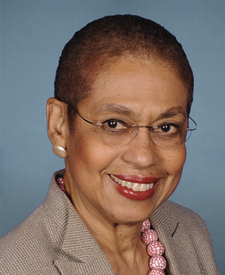
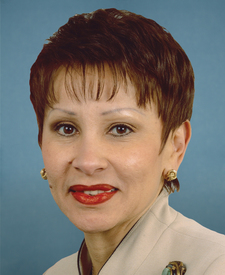
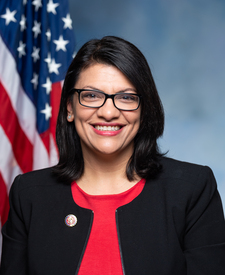
Legislative Progress
In CommitteeMs. Meng (for herself, Ms. Norton, Ms. Tlaib, and Ms. …
Referred to the House Committee on Education and Workforce.
Introduced in House
Stakeholder Effects
cui bono?How this legislation distributes effects. Mention counts reflect frequency, not effect magnitude.
Employees planning adoption, Employers seeking certification, Employers with strong benefits
Positive-direction: Employees planning adoption, Employers with strong benefits, Family caregivers, Working parents
Negative-direction: Employers seeking certification
Bill Structure & Actor Mappings
Who is "The Secretary" in each section?
We use a combination of our own taxonomy and classification in addition to large language models to assess meaning and potential beneficiaries. High confidence means strong textual evidence. Always verify with the original bill text.
Learn more about our methodology