Parental Rights Relief Act
Summary
What This Bill Does
The bill lets parents and eligible students bring civil actions for violations of the Family Educational Rights and Privacy Act and the Protection of Pupil Rights Amendment, seeking declaratory relief, injunctions, and attorney fees. It bars courts from requiring administrative exhaustion, lets the Attorney General intervene when federal interests are implicated, and directs the Education Secretary to create or designate an office or review board to process complaints within 90 days.
Who Benefits and How
Parents of K-12 students and eligible college students benefit from direct court access, possible fee recovery, and faster administrative complaint handling when schools misuse education records or violate survey and consent rights.
Who Bears the Burden and How
School districts, colleges, state education agencies, the Education Department review board, and Justice Department civil lawyers must comply with new lawsuit exposure, fee-shifting risk, 90-day complaint processing, and intervention work.
Key Provisions
- Creates a private right of action for FERPA and PPRA violations.
- Bars courts from requiring parents or eligible students to exhaust administrative remedies first.
- Requires the Education Secretary to maintain a complaint office or review board with 90-day processing.
Evidence Chain:
This summary is generated from the full bill text using AI analysis. Expand "Detailed Analysis" below for identified beneficiaries/burden bearers with clause-level evidence links.
At a Glance
What This Bill Does
Creates a private right of action under FERPA and PPRA so parents and eligible students can sue educational agencies or institutions for privacy and parental-consent violations without exhausting federal administrative remedies.
Key Policy Areas
Education, Government, Law Enforcement
Primary Purpose
Creates a private right of action under FERPA and PPRA so parents and eligible students can sue educational agencies or institutions for privacy and parental-consent violations without exhausting federal administrative remedies.
Policy Domains
Substantive provisions
Identified Gains
- Parents of K-12 students
- Eligible college students
- Student privacy claimants
Identified Costs
- Educational agencies
- Postsecondary institutions
- Department of Education review board staff
- Attorney General civil rights staff
Sponsors

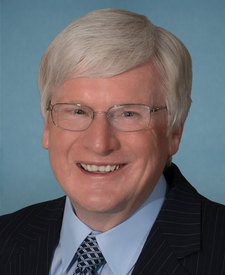
Legislative Progress
In CommitteeMs. Hageman (for herself and Mr. Grothman) introduced the following …
Referred to the House Committee on Education and Workforce.
Introduced in House
Stakeholder Effects
cui bono?How this legislation distributes effects. Mention counts reflect frequency, not effect magnitude.
Educational agencies, Eligible college students, Parents of K-12 students
Positive-direction: Eligible college students, Parents of K-12 students
Negative-direction: Educational agencies, Postsecondary institutions
Bill Structure & Actor Mappings
Who is "The Secretary" in each section?
We use a combination of our own taxonomy and classification in addition to large language models to assess meaning and potential beneficiaries. High confidence means strong textual evidence. Always verify with the original bill text.
Learn more about our methodology